• Photography
  • Interviews
  • Business
  • Reviews

Tiffinbox

Inspiring Photographers

  • Home
  • About
  • Blog
  • Contact

Inspire Photo Seminars: A Conference Built on Depth, Community & Connections | Part 1

January 30, 2012 by Matt and Enna Grazier

Matt and Enna Grazier, of Grazier Photography founded Inspire Photo Seminars with a group of like-minded studios. Thank you Seshu for inviting us to share our ideas about the value of “regional conferencing” and to tell your readers just a little bit about what we are cooking up for Inspire 2012!

We love attending conferences! They give us the chance to see great products, listen to great presenters and to network with incredible colleagues! We are excited to be at the forefront of a new trend of conferencing, which is the smaller more intimate regional conference. Jim Collins, CEO of Pictage, sums up the value of the regional conference perfectly when he wrote about last year's Inspire conference: “the reason I love this conference so much is because it is so relevant to its own community.”
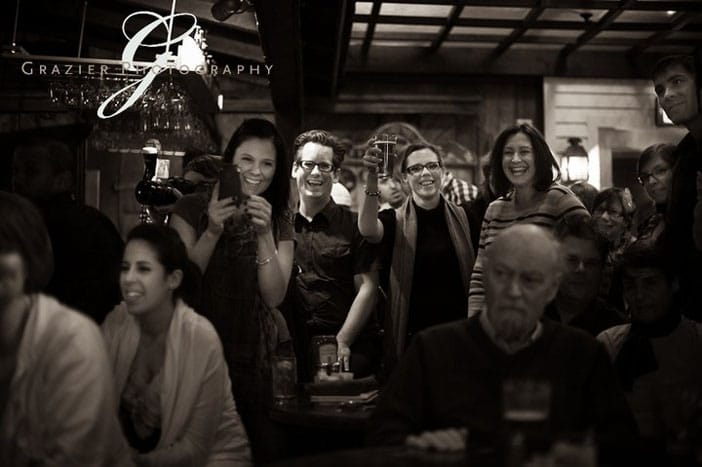
Inspire Photo Seminars 2011

We all know conferences can be tricky … it's easy to leave a conference feeling like you've just glimpsed the glossy surface of the topics presented. The irony for conference presenters is that while it’s difficult to pack rich material into a lecture spot of just one hour (the ability to do this is surely one mark of a gifted teacher), it’s very easy to fill an hour perfectly with a lot of inspiring catchphrases and pretty pictures!

It’s also common for conference attendees to have the sense that the best part of the event was the “in-between” time spent sharing war stories, strategies, ideas, and commonalities with other photographers. Our favorite moments at conferences we’ve attended are the most serendipitous – a chance meeting with a comrade who we get to chat with over coffee – or, if we’re lucky enough, while sharing a fine meal. We can’t tell you how many times we’ve gone home feeling incredibly grateful for these relationships, yet incredibly sad that we can’t easily continue those conversations over coffee, wine, or shared photography jobs simply because we live so far away from each other. Much of our business success is due to these photographers who have shared their own ideas and expert knowledge in happenstance, in-between, serendipitous moments.

Another common disappointment at the large conferences is that the talented speakers and experts who are the biggest draw to attend large conferences are often inaccessible, either surrounded by an almost impenetrable group of fans, friends, and colleagues, or just dropping in for their portion of the schedule and not participating in the greater community for the rest of the conference. Even if they work hard to be accessible, the sheer volume of people at a large conference makes it almost impossible to interact closely with these experts.

Each of the things that frustrated us about large conferences motivated us to put together our own conference that would address these three shortcomings and fact our approach to these shortcomings forms the building blocks of our conference community. We wanted to create an event that has the diversity, breadth, and spontaneity of a conference, but the depth of information and personal connections that are more often associated with a retreat.

Depth. Our sessions are deep. Instructors are selected almost half a year prior to the conference, and we communicate with them throughout the months that they are preparing their lectures. We give them 1.5 hour time slots for their sessions, and we encourage them to focus on addressing the needs of the mid- to advanced-level studio owner. We want them to deliver meat! This approach ensures that their content will be relevant to the beginners as well as the more seasoned photographers. This shouldn’t intimidate the less experienced studio owner, it just helps us make sure that we’re meeting the needs of the larger professional community.

Community. We have built the schedule and physical layout of the conference around the concept that the peer-to-peer networking and mentoring opportunities are of equal value to the conference sessions. There is plenty of time for impromptu mentoring and networking, and we also have scheduled time for 1:1 and small round-table mentoring with our speakers and several of our sponsors (for example, Jared Bauman of ShootDotEdit will lead a small group to whip their pricing and packaging into shape during his allotted mentoring time). All meals are included in the conference fee (breakfast, lunch, and dinner), and we eat together. We have built plenty of time in the schedule for attendees to gather and socialize and because of this structure wonderful things happen! Attendees get more than an idea, more than motivation, more than a plan to move forward; they build real relationships with those who want to help them succeed… relationships that continue beyond the conference and are easily sustainable because everyone is from the same region.
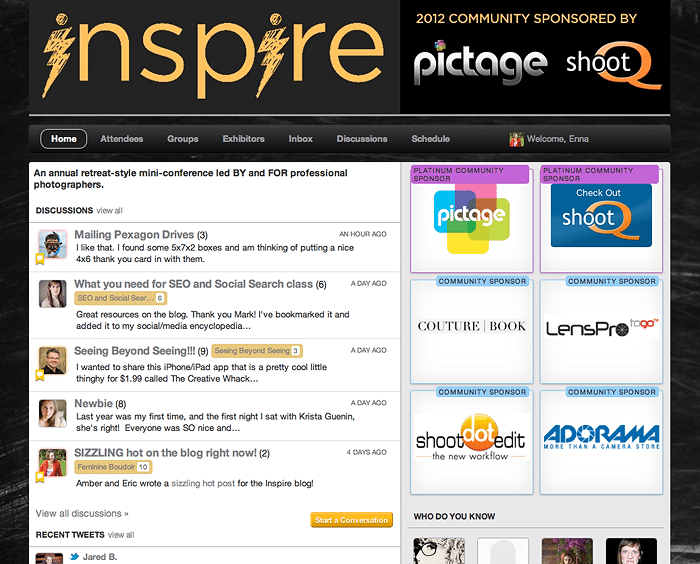
Inspire Photo Seminars Community Page

The image above shows one of our innovations this year: a private online community for our conference attendees, sponsors and speakers. Everyone is invited to join and interact during all of 2012, including the months before and after the conference. Conference-goers can manage their class schedule, chat with attendees, speakers, and sponsors, download class materials, and schedule private meetings with others. We are excited to see how our participants utilize this unique tool!

Connections. Our teachers are not always well-known – most of them aren’t on the lecture circuit, and they haven’t proposed their workshop sessions just to become known as “rock star” wedding photographers. They are busy, hard-working photographers who are committed to raising the standards of business and art of photography within their own region, because they recognize that by raising the barre across the region, every studio stands to benefit. We’ve chosen our instructors in part because they’ve expressed interest in learning and participating in this community, and we pay for their lodging and conference fees to enable them to participate fully in the conference community. We know that part of the reason that they are teaching is that they also wish to attend – and not just as an expert, but as a fellow studio owner who recognizes that we can all learn from each other.

Regionality. Oh yeah, did you notice this word that I’ve repeated throughout this post? Region. Inspire is a regional conference. The national conferences are definitely important, offering polished and inspiring speakers with dazzling success stories, diverse trade-shows, and incredible opportunities to mingle with photographers who we either know or admire from across long distances. However, we’ve found that within our region (and perhaps others), photographers are starved for structured networking opportunities, and for relationships with local colleagues. It’s important to cultivate relationships locally: this networking provides emergency backup and other skilled resources within easy reach, and gives opportunity to become more familiar with the local markets. And, with enough critical mass, we believe that a community can actually drive the market – in style, policy, practice, and culture.

We have heard many photographers say they don’t recognize all the names of our speakers. While that presents a small marketing challenge for us, the tradeoff is that every single person who attends inspire – paying ticket-holder, speaker, sponsor, exhibitor, and members of the planning team – will benefit greatly from genuine, deep relationship building with successful studios who are right in their neighborhood. Our speakers are true experts, and we want to facilitate their connection with other photographers within their region. These are relationships that can continue into the wedding season and beyond. We’ve seen photographers meet at Inspire and hire each other as associates, cover for each other in emergencies, and share incredibly helpful information to see each others’ studios grow. We’ve even heard from one person exclaim, “I’ve vacationed with people I met at Inspire!” This was the biggest compliment, because it shows just how well people in our conference community can connect with each other.

Inspire Photo Seminars Logo

You may work alone, but you don’t need to build your business alone. Everyone who attends Inspire finds a welcoming community willing to help.

Be one of the first 5 to use this PROMO/DISCOUNT CODE: 2012TIFFIN and receive $50 off your registration.

In our next post, we will share our strategy for choosing your path in a conference agenda so that you may leave the conference fulfilled and ready to tackle your business!
Filed Under: Conferences, Photography Tagged With: Community, conference, conference attendees, conference presenters, conferences, connections, grazier, inspiring photo, photographer, Photographers, regional conference, seminars, Wedding Photography

Who Was Monte Zucker And Why You Should Care?

January 28, 2012 by Seshu | Editor & Publisher

I was one of those that scoffed at the idea of learning old-school lighting and posing. But guess what? I was wrong. Learning the fundamentals is so crucial to our success that when the Monte Zucker Lighting and Education bundle was being offered through PhotoDough.com, I had to jump in and get it.

Who was Monte Zucker? He was a master as lighting and posing. He was a teacher. At one of the first WPPI's I attended, I recall a room full of nearly a 1000 people sitting there watching this man teach his techniques. The minute the seminar ended, the crowd surged on towards the stage to badger him with more questions. I had absolutely no chance of getting close to him. I felt like I was at a rock concert. People like Bambi Cantrell still talk about him and what he taught her.

“Based on classical tradition, Monte’s portraiture has never strayed far from his original intent – to capture a moment in people’s lives and memorialize it for posterity.”

After battling cancer, Monte Zucker passed away in 2007. I know it was a huge blow to the industry he cared so much about.

Here is what Bay Area photographer Michael Corsentino says about Monte Zucker:

“Sad that some people don't know but at least they're asking. He was a great person and a passionate educator, definitely missed.”

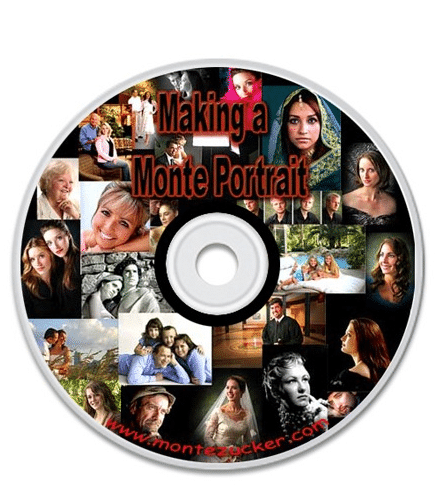
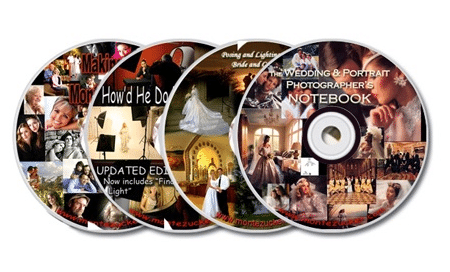
Monte Zucker CD On Classical Portrait Lighting & Posing

Thankfully, his teaching lives on.

Monte Zucker CD On Classical Portrait Lighting & Posing

Monte Zucker CD On Classical Portrait Lighting & Posing

You can learn more about Monte Zucker's products here. But if you are quick, you can grab a good chunk of what the store offers and save $131 now through PhotoDough.com.

For $49 you receive a downloadable set of 4 CD-ROMS, including 6 slideshows with over 500 photographic examples with text descriptions. Also included are PDFs that you can tote around on your iPad and refer to often. As I said, I bought this bundle and I am looking forward to getting back to basics. Frankly, there are too many “teachers” out in the world now who are just winging it. If you want to learn from the best, this is your chance.

Get to know Monte Zucker and learn from him at your own pace. The PhotoDough.com deal is only on for a limited time.

Oh, one more thing – it's tempting to learn from a master and just copy what she or he says. That would defeat the purpose of photography for me. I intend to learn from Monte Zucker, but plan on adapting it to the way I work with my clients. Making that experience unique is key to everyone's success. Good luck!

Filed Under: Lighting, Photography, Tutorials Tagged With: Lighting, master, master photographer, monte zucker, photodough.com, photographer, posing, special offer, Teaching, wedding couple

A Photographer’s Thoughts On Storytelling And Our Community

January 26, 2012 by Jerod Foster

Today's guest post is by Jerod Foster, an editorial and natural history photographer based in Lubbock, Texas. His book, Storytellers: A Photographer's Guide To Developing Themes and Creating Stories With Pictures, was published in 2011. Follow @jerodfoster on Twitter.

Many thanks to Seshu for providing me the opportunity to guest appear on such a resourceful blog. Once again, the ability to create positive relationships over an ever-growing online community of photographers astounds me.

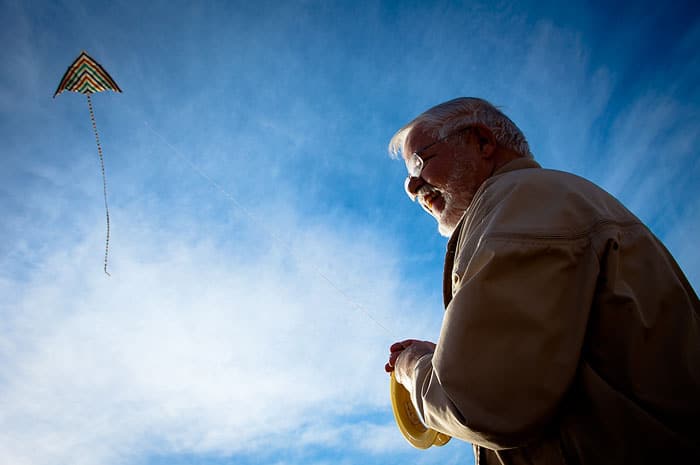
Man With A Kite |  Jerod Foster

Speaking of community, if you’re reading this post, there’s no doubt that a good many of you came here via a link posted on Twitter or Facebook, perhaps Google+, your own RSS feed, or a variety of other means of connecting you to, well, here. Word spreads fast in the photography world, especially when that world spans across a very diverse and prolific online community. Needless to say, the photography community, online or not, is large. Very large.

It’s so large and diverse that it’s often difficult to distinguish who we are at times. Just think about it for a moment. We’re so vast and varietal, and in some cases so niche, that we’ve become enclaves of particular areas of the entire art and craft of photography. At the same time, however, we know we all relate to each other on one level or another, but what?

A quandary? Perhaps. Maybe we can be a bit deductive in finding out just who we are as a community. Consider this an exercise in getting to the essence of photographers in general.

Let’s break some of the diversity down by types of photographers, starting with some of the more obvious. A lot of us are wedding, engagement, bridal, and family photographers, established in a particularly special and popular area of photography that have, if you think about it, one of the most important jobs in the world. Others of us are photojournalists, visualizing the life around us for a variety of outlets, including the tried and true newspaper industry, magazine publications, and a boatload of online resources for both traditional and new media content. Still, there are those of us that concentrate solely on the natural world, training our vision and gear on awe-inspiring landscapes and the wildlife that populate such environments. We can’t leave sports shooters of the list, either, since they carry quite a bit of the load for both personal and media audiences (globally, I might add).

Story is not something new, but it is indeed a constant. It’s what each and every one of us as a community (online or not) has in common.

Hold up, though. I’m creating a rather clear separation of the types of photographers out there (I also realize the listing is quite truncated). It’s also apparent among the community that not all of us are 100% one type or the other. Many of us that sling a camera over our shoulder do so with just as much commitment to shooting a family as we do the magazine story assignment we picked up last week. I know sports photographers that can shoot a heckuva wedding, and vice versa. Lest we forget, there are specializations upon specializations in the photography field as well, ranging from different styles of portraiture and cultural photography, to underwater shooting, science and medical image making, to fine art forms of the craft. Some of us are primarily focused on publishing in coffee table books and magazines, while most of us will never see the inside of what those that do call the land of the yellow border (although that shouldn’t stop one from trying).

Finally, but certainly not the least, there are those of us that do not necessarily aspire to be labeled a “type” of photographer, but instead are content and productively happy being generalists and avid shooters. This position is true for many, if not the most, of us, and it includes all levels of photographic achievement/aptitude, from the most basic hobbyist to the amateur wondering if she can earn some side money photographing her neighbors’ children, to the emerging professional right out of university.

Man With Classic Cars |  Jerod Foster

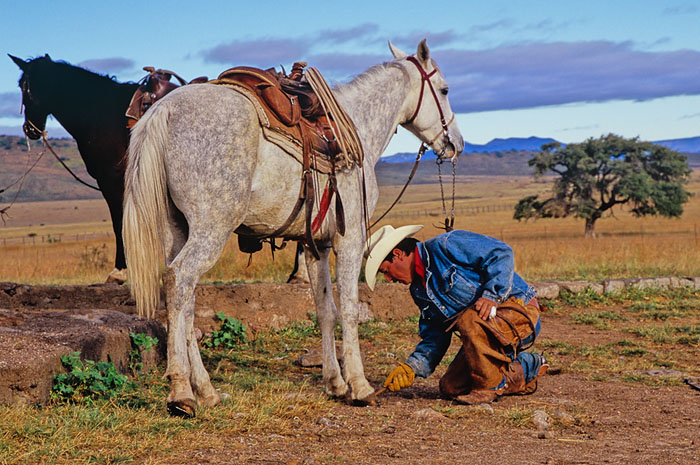
Cowboy |  Jerod Foster

So, if the photography community is so diverse, what keeps us together, stumbling upon (if you will) other parts of the industry, different shooters, and strange and interesting sources of visual inspiration? No matter what type of photography you lean toward, the thing that connects each and every one of us is the fact that we’re all telling stories with the images we produce. Story, for that matter, has been a part of what connects us all since the dawn of time! Story and storytelling is what and how we use the information we are continuously consuming to learn and interpret our world. Photography, in this sense, is one of the most important modes of telling story and has been since its commercial inception in the early 19th century.

I’m going to go out on a limb and say that storytelling is vital to being a photographer. In some ways, it’s our responsibility to tell stories with images. Not in a cliché way either—I believe that we photographers (no matter what level of professional or hobbyist achievement) are a very important part of what keeps this world in tune with itself. Whether you’re shooting a global humanitarian campaign, a national advertisement, or your child’s first birthday, you have something to pass along with your images, and it keeps informing those around you.

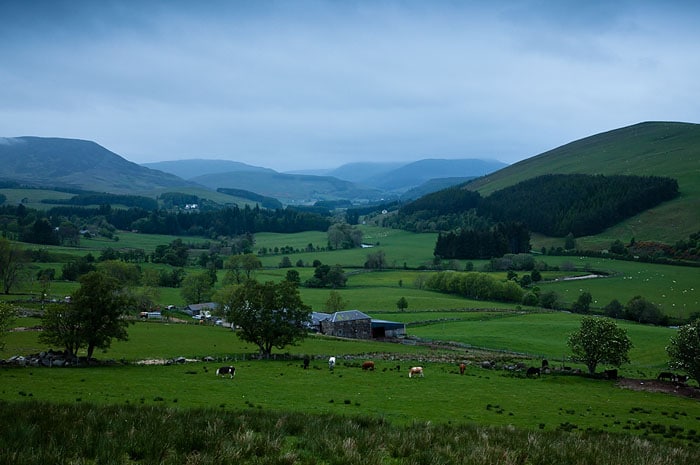
Countryside Landscape |  Jerod Foster

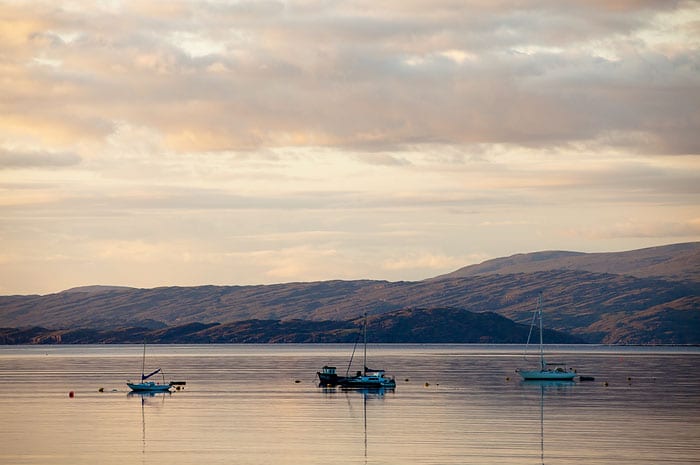
Boats In The Landscape |  Jerod Foster

That being said, I also believe that in order to grow as a photographer, we have to tie quite a few things together—things that are discussed quite a bit by the online community I mentioned earlier. Gear, technique, technical aptitude, vision, visual language, style—all are used in order to increase how we see and create compelling images. In addition, and more importantly, each helps us tell stories (they can get in the way as well; a post for another time). Our job is to make sure we’re doing just that. We may improve as photographers, but in essence, we grow as storytellers.

At its core, photography is meant to tell story. At our core, we are storytellers. Whether you’re just starting out, or you have shot professionally for the past 30 years, whether you’re in the studio or on some exotic location, whether you’re shooting solo or as part of a budgeted production crew, story is the central element of the visuals you produce. Story is not something new, but it is indeed a constant. It’s what each and every one of us as a community (online or not) has in common.

We are, in essence, a community of visual storytellers.

Nature Photographers |  Jerod Foster

Filed Under: Photography Tagged With: Community, family photographers, jerod foster, Journalism, mass media, News, online community, photographer, Photography, photography communities, Photojournalism, stock photography, story, storyteller, storytelling, visual journalism

9 Steps To Building A Better Photography Brand & Boosting Your Business

January 25, 2012 by Ellen Petty

This guest blog is by Ellen Petty, the Head Brandslinger at Identity Kitchen, a marketing and design studio specializing in photographers. She and her business partner Marty Thornley launched a new line of affordable all-in-one WordPress portfolio sites designed specifically for professional photographers at PhotographyBlogSites.com.

Just yesterday, they announced new lower pricing on their self managed, all-inclusive BlogSites. As a special thank you to the Tiffinbox audience, they would like to extend an extra $50 off your first year when you use the code TIFFINBOX50.

Let’s Start at the Beginning. What is Branding?

Your brand is your touchpoint. Everything from how you answer your phones to the auto-responder on your email. Yes, it’s the big picture items; your website, your business card, your space, but it is the cohesiveness, that glue that gives a clear picture to your potential clients. There are some companies, (Starbuck’s anyone?) They do this very, very well. Talk about the Starbucks cup, how it fits perfect in your hand. Not a waxy exterior, not styrofoam, a little thinner than a regular takeout coffee. How much planning do you think went into just the coffee cup? Now let’s talk interior, advertising, their charities, the music, the Wifi.

“That's great for Starbucks”, you say, but how can I create a killer brand for my photography business? Here are 9 steps to not only get you started, and make sure you stay on track.

1) What’s Your Mantra?

Your brand essence, sometimes called your brand mantra, is the heart and soul of your business. Sometimes defined in a few words. Your brand essence is “Who you are”. Try and define your brand in six words or less. If I said “Maiden voyage…iceberg…not enough lifeboats” you would know Titanic. How can you define who you are?

Start with describing your work, yourself, your approach. Ask, who am I, who is this business? Choose 5-6 words that best describe you and your business.

2) Who Am I?

This is your brand positioning; what makes my business different from my competition? Is it the service that you give? Is it the kind of photographs you take? Is it the kind of photographer you are?

One of the most important rules in positioning your business and your brand is to know your competition. Once you know what you are up against, once you understand your competition you can figure out how you are different AND create a unique business perspective and carve out your very own market share.

3) Define Your Target Audience?

Do you know your target customers? Who are you going after? Engaged couples? Parents? Parents to be? What is their demographic? How do you want to come across to them?

This is where you really think about who your client or potential client is. Where do they shop, what toothpaste they use, how much disposable income they have, are they like you are they not like you?

4) Get Inspired

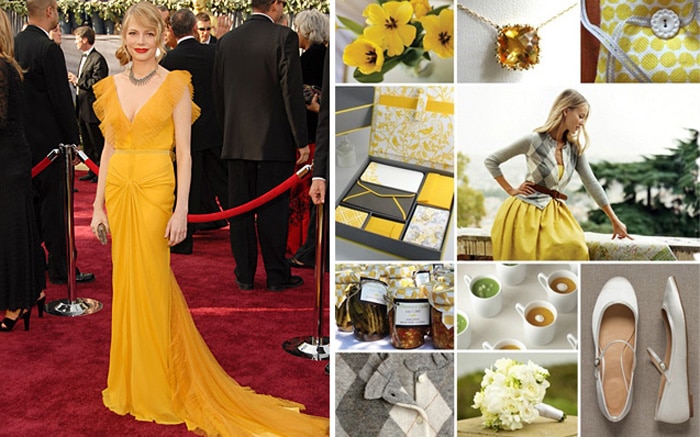
Now that you know who you are, what makes you/your studio different, who your competition is and who you are talking to…it’s time to get inspired, and really push that creative envelope. Look to places outside the photography industry for inspiration. Fashion, architecture, music, fine art, even food. Wherever your muse lies, don’t be afraid to interpret. Pinterest is a fantastic place to create style boards and have a sneak peek into other creative formulas.

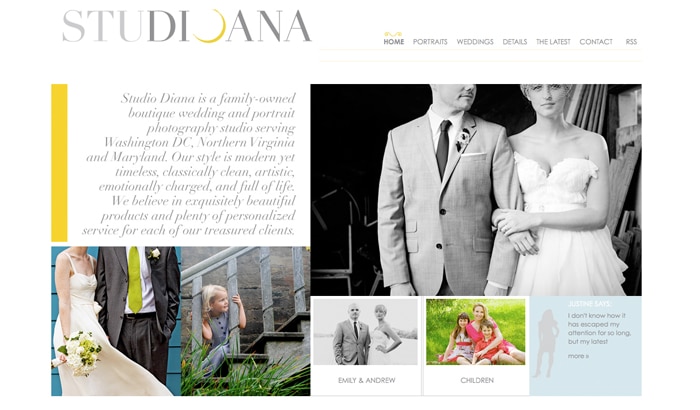
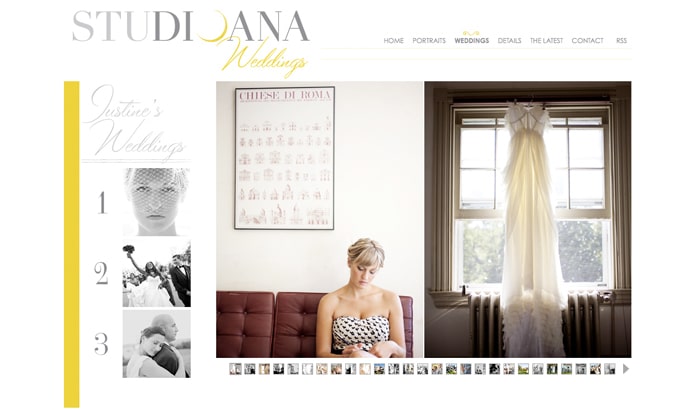
Below is an example of an inspiration board and how we translated it into the online brand design for Studio Diana.

Studio Diana - Fashion

Studio Diana - Wedding

Studio Diana - Wedding

5, 6 & 7) The 3 C’s; Get Creative, Make It Cohesive, Keep It Consistent

Ok, you have your strategy, you have your inspiration boards, now it’s time to get creative. Whether you are designing your brand yourself or hiring an outside designer, this is where the magic happens. The “Ah-­?ha” moment. The spark, that can be realized as your own personal touchpoint or brand.

Once you choose a design path make sure there is a thread or a few that keeps your brand cohesive and consistent across all mediums. Print, online, advertising, promotion, and sales. Don’t be afraid to loosen the reins on your brand as you move between mediums, keeping your brand consistent, does not mean choking it. This is where it may be helpful to bring in a professional.

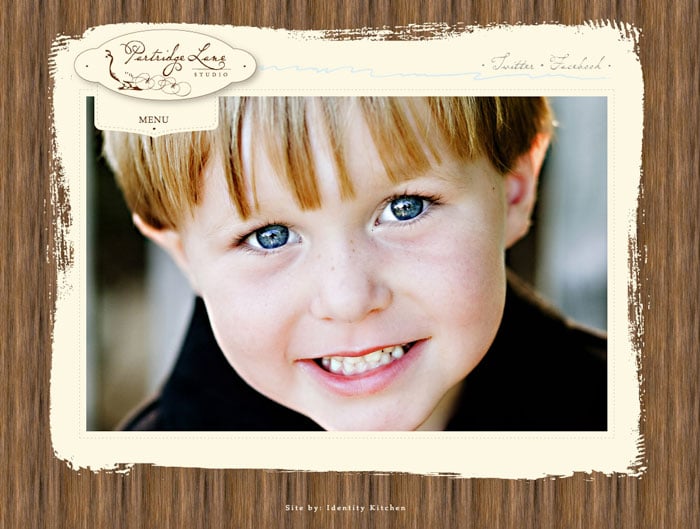
Below are some examples of the creative process of Partridge Lane Studios. Also, an example of how we kept the look cohesive from printed material to the online presence.

Partridge Lane Logos Grouped

Partridge Lane Business Card

Partridge Lane Home Page

8) Choose Your Best Work

If you have completed the last 7 steps, we know you can make choices. Don’t question yourself now. It’s time to choose your best work. Go through your body of work and choose your best 5, 10 and 20 pieces. Those should always be front and center on all your promotional vehicles. Be strong, if you feel a piece does not live up to the standard of these choices, they should not appear in your portfolio. Your online galleries should be between 20 & 30 photos per gallery. Always aim to put your very best foot forward.

9) Be Unique

If you have followed these steps you should arrive at a brand that is unique, because it is you. If it is true to who you are as an artist, it is right.
One of my favorite sayings when it comes to finding your true voice in life and in branding is by Oscar Wilde, “Be yourself, because everyone else is already taken.

Filed Under: Marketing, Photography, Portraits, Weddings Tagged With: advertising, better photography, brand, brand positioning, branding, Business, business cards, business partners, communication, communication design, design studio, ellen petty, graphic design, identity design, Marketing, Photography Business, positioning, professional photographers, starbucks, studios, touchpoint

4 Steps For Creating Wedding Images Magazines Will Love & Get You Booked

January 18, 2012 by Lara White

As a wedding photographer for almost 10 years, Lara White has always loved the business side of photography. She shares her passion for business and marketing strategies with photographers through her PhotoMint blog and recently authored a free book for photographers interested in learning how to get their images published. Follow Lara on Twitter.

Want to get published? Follow these easy 4 steps and you will be on your way to creating images that wedding magazines find irresistible.

The first thing you need to know is that wedding magazines and blogs are all about details. Their readers can never get enough details. So that right there should tell you that your submission needs to be at least 75% or more details, and you need to have that on your mind when you are shooting your next wedding that you think has a shot at getting published.

1. Plan Ahead

Take the time to plan ahead for your shoot and how to get the most out of it. Speak with the planner and the florist to get an understanding for the décor and the florals. Will there be a cool escort card table, and if so, how will you capture it prior to the guests spilling into the cocktail hour? How about ceremony details-can you get to the ceremony area prior to the guests, in time to capture how the ceremony looks prior to guests putting their purses down and otherwise cluttering up the area? Ask the catering manager to keep the reception doors closed until the reception, and that you'll be coming in for a few minutes to capture the room before the doors open.

2. Allow Plenty Of Extra Time For Capturing Details

It takes time to capture details in a way that “sells” them. Allow yourself the extra time needed to spend time in the reception finding just the right angle for capturing the centerpieces. Arrive early while the bride is just starting makeup, and you'll have plenty of time to “play” with the details in the bride's room. These can include the dress, shoes, jewelry, bouquet, invitation and other items with personal meaning.

3. Don't Be Afraid To Rearrange & Declutter

Nothing ruins a great detail shot like a half empty glass or a partially eaten plate of appetizers. Think of your detail shots like a product shot. You want the image to “sell” that detail. It's OK to rearrange things a bit or remove bits of clutter from your image. Think of yourself as styling the details. It's perfectly ok to take the salt and pepper shakers (or the table number sign if it's ugly) off the table for your shots of the centerpiece. Take the bouquet out of the cardboard delivery box and find a beautiful spot with nice lighting. It only takes a moment and will vastly improve your images.

4. Consistent Photoshop Style

If you create certain looks or styles in Photoshop, be consistent. For example if you go for a desaturated vintage look on some of your images and some of them are just in a “standard” look. Most magazines and blogs prefer to have all the images in a set done as a consistent style and look. Otherwise the overall theme and feeling of the images is lost.

The more time you spend working on mastering the art of detail shots, the better you'll become. And the better you are at capturing details, the more likely you are to find your images in the next issue of your favorite wedding magazine. If you'd like to learn more tips about getting published, check out Get Published: A Guide for Wedding Photographers.

It takes time and patience to learn to create images magazines will be interested in publishing, but it's well worth the investment of time, because your brides will love those images too.

Remember – You can pick up Lara's e-book, Get Published for free. No strings attached. I've read it and it's full of great, actionable topics. Get it now!

Filed Under: Marketing, Photography Tagged With: Brides, create image, creating, guide, image publishing, images, lara white, magazines, Photographers, Photography, publish, quick guide, Wedding, wedding images, Wedding Photography

  • « Previous Page
  • 1
  • …
  • 75
  • 76
  • 77
  • 78
  • 79
  • …
  • 164
  • Next Page »

Subscribe To Tiffibox Treats!

Looking for a well-curated email newsletter that will leave you inspired and motivated about your photography business? Sign up below!

About Seshu

Seshu creates relaxed portraits of families and high school seniors in Avon, Connecticut. He also leads a successful headshot photography studio in Connecticut, helping professionals from a variety of disciplines project the very best versions of themselves. He created Tiffinbox as a way of inspiring photographers, to create better images and successful businesses. [Read More]

Email Templates For Headshot Photographers

Email Templates for Headshot Photographers

Recent Posts

  • How Capture One Changed My Event Photography
  • 10 Steps To Stay Positive In Times Of Great Stress
  • Why You Need To Read “Personal Branding For Photographers” Now
  • How To Master Your Website Content Step By Step?
  • Tony Taafe’s TNT Method For Headshot Photographers

Recent Comments

  • Stephen Davison on Are You A Business Owner Who Is Smart, But Stuck?
  • Ben A. on Don Giannatti Clinches The 8th Annual Tiffinbox Award
  • Dan on Don Giannatti Clinches The 8th Annual Tiffinbox Award
  • Donald Giannatti on Don Giannatti Clinches The 8th Annual Tiffinbox Award
  • Stephen Davison on G.E. Masana’s 6 Strategies For Wedding Photography Success
  • Naveen Kumar on Weddings In India Are More Than Being At The Right Place And At The Right Time
  • kartick on Weddings In India Are More Than Being At The Right Place And At The Right Time
  • Leonid Farbman on 6 Uncommon Trends To Grow Your Photography Business
  • Willow and Finch Wedding Photography on 11 Reception Tips To Help Your Wedding Photography
  • Web Designer Malaysia on How To Optimize Your Squarespace Website For Search Engines
  • Creastan on An Interview With Photojournalist G.M.B. Akash
  • Cindy Brown | Atlanta on An Open Letter To A Local Photographer

Become a Patron!

Copyright © 2026 · Tiffinbox · Site Design by Heather Mackan Creative · Built on Genesis