• Photography
  • Interviews
  • Business
  • Reviews

Tiffinbox

Inspiring Photographers

  • Home
  • About
  • Blog
  • Contact

A Photographer’s Thoughts On Storytelling And Our Community

January 26, 2012 by Jerod Foster

Today's guest post is by Jerod Foster, an editorial and natural history photographer based in Lubbock, Texas. His book, Storytellers: A Photographer's Guide To Developing Themes and Creating Stories With Pictures, was published in 2011. Follow @jerodfoster on Twitter.

Many thanks to Seshu for providing me the opportunity to guest appear on such a resourceful blog. Once again, the ability to create positive relationships over an ever-growing online community of photographers astounds me.
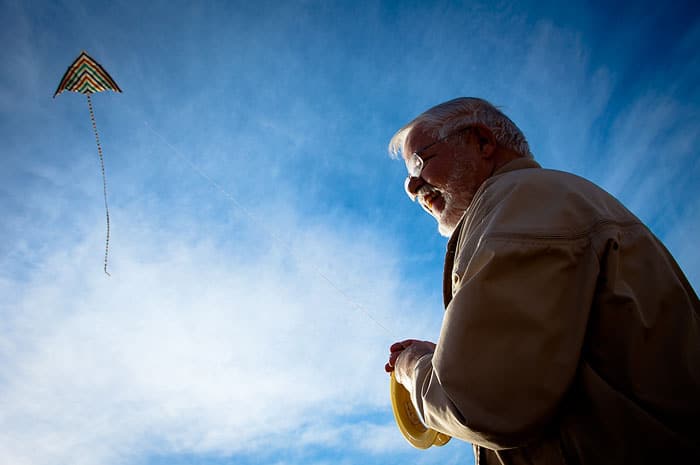
Man With A Kite |  Jerod Foster

Speaking of community, if you’re reading this post, there’s no doubt that a good many of you came here via a link posted on Twitter or Facebook, perhaps Google+, your own RSS feed, or a variety of other means of connecting you to, well, here. Word spreads fast in the photography world, especially when that world spans across a very diverse and prolific online community. Needless to say, the photography community, online or not, is large. Very large.

It’s so large and diverse that it’s often difficult to distinguish who we are at times. Just think about it for a moment. We’re so vast and varietal, and in some cases so niche, that we’ve become enclaves of particular areas of the entire art and craft of photography. At the same time, however, we know we all relate to each other on one level or another, but what?

A quandary? Perhaps. Maybe we can be a bit deductive in finding out just who we are as a community. Consider this an exercise in getting to the essence of photographers in general.

Let’s break some of the diversity down by types of photographers, starting with some of the more obvious. A lot of us are wedding, engagement, bridal, and family photographers, established in a particularly special and popular area of photography that have, if you think about it, one of the most important jobs in the world. Others of us are photojournalists, visualizing the life around us for a variety of outlets, including the tried and true newspaper industry, magazine publications, and a boatload of online resources for both traditional and new media content. Still, there are those of us that concentrate solely on the natural world, training our vision and gear on awe-inspiring landscapes and the wildlife that populate such environments. We can’t leave sports shooters of the list, either, since they carry quite a bit of the load for both personal and media audiences (globally, I might add).

Story is not something new, but it is indeed a constant. It’s what each and every one of us as a community (online or not) has in common.

Hold up, though. I’m creating a rather clear separation of the types of photographers out there (I also realize the listing is quite truncated). It’s also apparent among the community that not all of us are 100% one type or the other. Many of us that sling a camera over our shoulder do so with just as much commitment to shooting a family as we do the magazine story assignment we picked up last week. I know sports photographers that can shoot a heckuva wedding, and vice versa. Lest we forget, there are specializations upon specializations in the photography field as well, ranging from different styles of portraiture and cultural photography, to underwater shooting, science and medical image making, to fine art forms of the craft. Some of us are primarily focused on publishing in coffee table books and magazines, while most of us will never see the inside of what those that do call the land of the yellow border (although that shouldn’t stop one from trying).

Finally, but certainly not the least, there are those of us that do not necessarily aspire to be labeled a “type” of photographer, but instead are content and productively happy being generalists and avid shooters. This position is true for many, if not the most, of us, and it includes all levels of photographic achievement/aptitude, from the most basic hobbyist to the amateur wondering if she can earn some side money photographing her neighbors’ children, to the emerging professional right out of university.
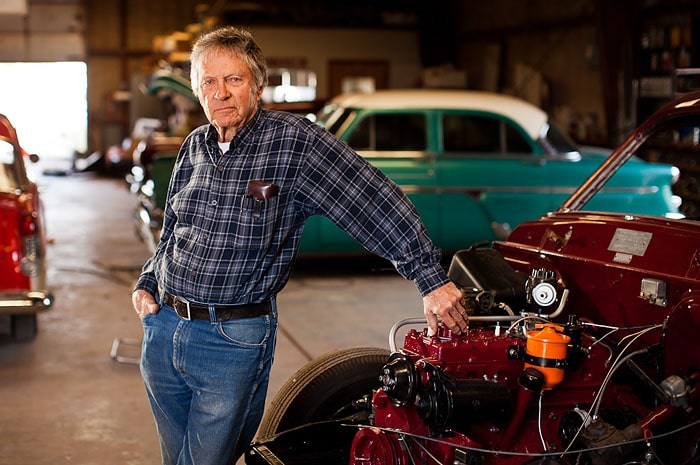
Man With Classic Cars |  Jerod Foster

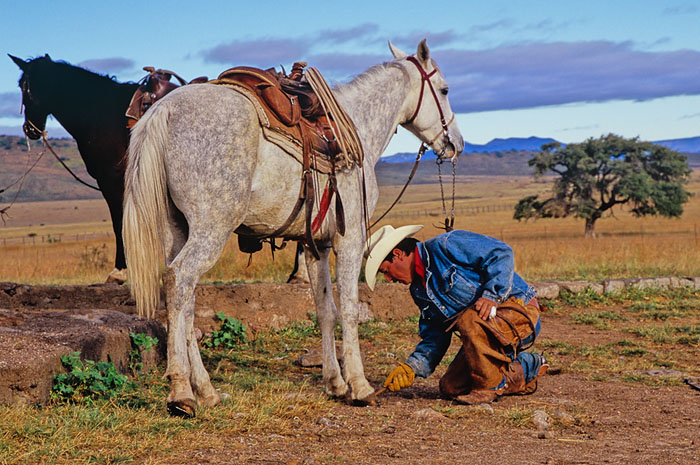
Cowboy |  Jerod Foster

So, if the photography community is so diverse, what keeps us together, stumbling upon (if you will) other parts of the industry, different shooters, and strange and interesting sources of visual inspiration? No matter what type of photography you lean toward, the thing that connects each and every one of us is the fact that we’re all telling stories with the images we produce. Story, for that matter, has been a part of what connects us all since the dawn of time! Story and storytelling is what and how we use the information we are continuously consuming to learn and interpret our world. Photography, in this sense, is one of the most important modes of telling story and has been since its commercial inception in the early 19th century.

I’m going to go out on a limb and say that storytelling is vital to being a photographer. In some ways, it’s our responsibility to tell stories with images. Not in a cliché way either—I believe that we photographers (no matter what level of professional or hobbyist achievement) are a very important part of what keeps this world in tune with itself. Whether you’re shooting a global humanitarian campaign, a national advertisement, or your child’s first birthday, you have something to pass along with your images, and it keeps informing those around you.
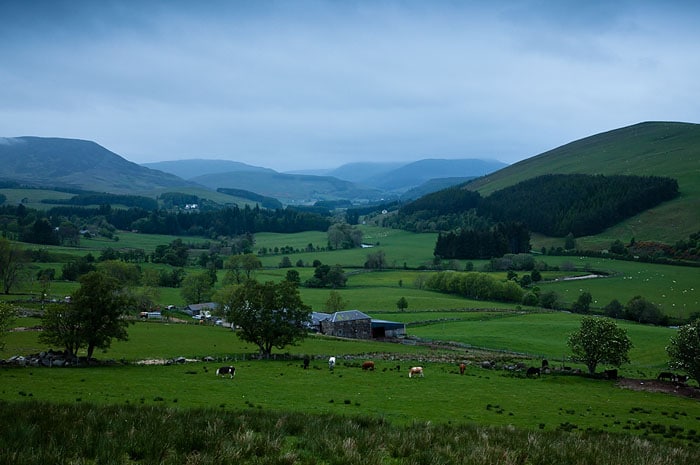
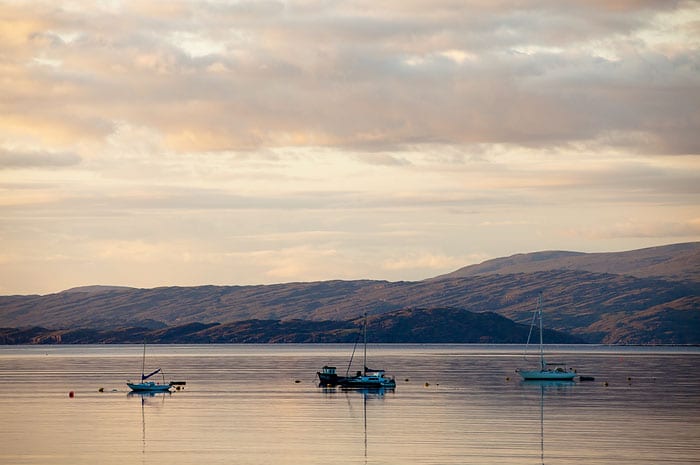
Countryside Landscape |  Jerod Foster

Boats In The Landscape |  Jerod Foster

That being said, I also believe that in order to grow as a photographer, we have to tie quite a few things together—things that are discussed quite a bit by the online community I mentioned earlier. Gear, technique, technical aptitude, vision, visual language, style—all are used in order to increase how we see and create compelling images. In addition, and more importantly, each helps us tell stories (they can get in the way as well; a post for another time). Our job is to make sure we’re doing just that. We may improve as photographers, but in essence, we grow as storytellers.

At its core, photography is meant to tell story. At our core, we are storytellers. Whether you’re just starting out, or you have shot professionally for the past 30 years, whether you’re in the studio or on some exotic location, whether you’re shooting solo or as part of a budgeted production crew, story is the central element of the visuals you produce. Story is not something new, but it is indeed a constant. It’s what each and every one of us as a community (online or not) has in common.

We are, in essence, a community of visual storytellers.
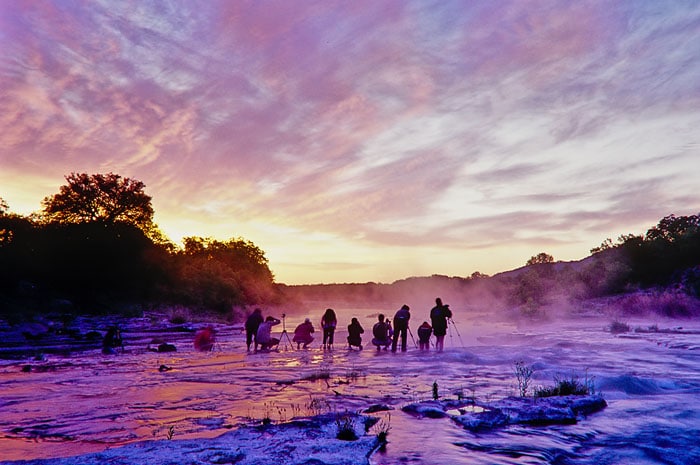
Nature Photographers |  Jerod Foster

Filed Under: Photography Tagged With: Community, family photographers, jerod foster, Journalism, mass media, News, online community, photographer, Photography, photography communities, Photojournalism, stock photography, story, storyteller, storytelling, visual journalism

Photographing In Pakistan

August 31, 2011 by Melissa Lyttle

Today's guest blog is by Melissa Lyttle. She has been a photojournalist for the St. Petersburg Times since 2005, where she is committed to documenting the lives of people in her community (and occasionally fulfilling her desire to travel and step foot on all seven continents by sneaking off to work on international stories). A native Floridian, Melissa was born in Tampa and raised in Jacksonville went to college at the University of Florida in Gainesville and got her first job at the Sun-Sentinel in Fort Lauderdale. Her work has been recognized by POYi, the Atlanta Photojournalism Seminar, NPPA's Best of Photojournalism, the Southern Short Course, the Alexia Foundation, the Casey Medal and UNICEF. She is also the founder of APhotoADay, an online photo community comprised of over 1,600 members. Do follow her on Twitter and check out her blog.

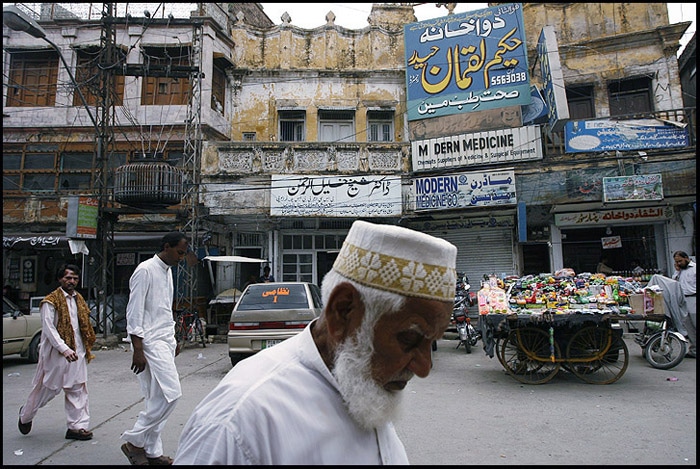
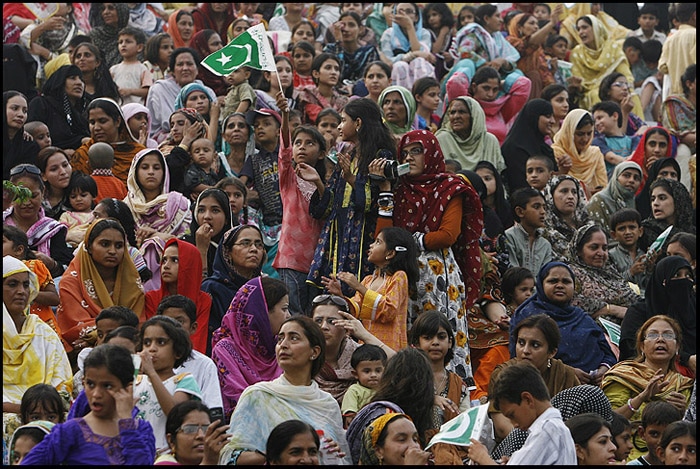
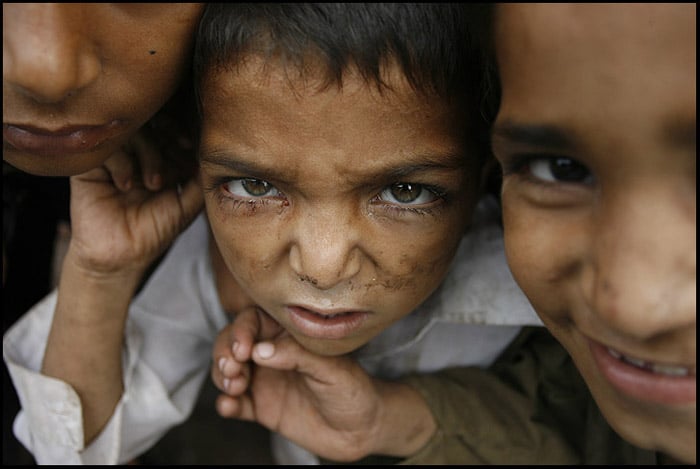
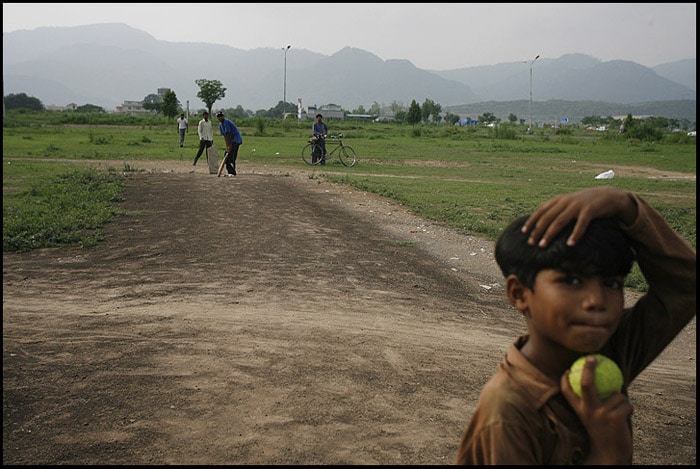
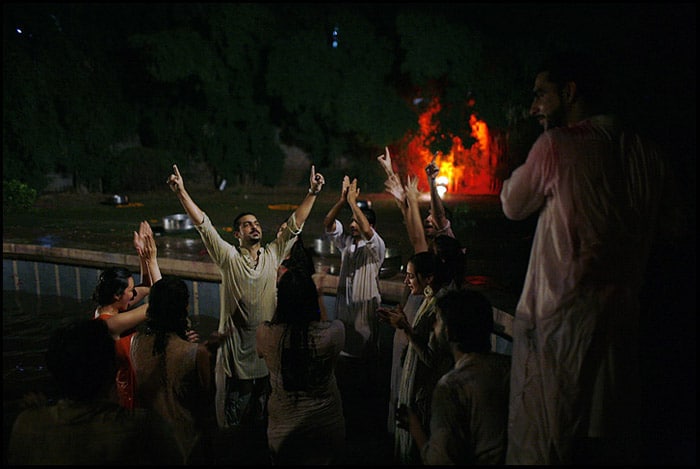
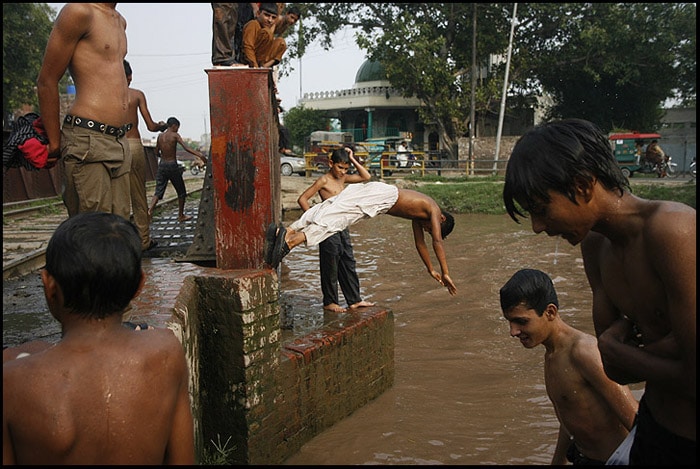
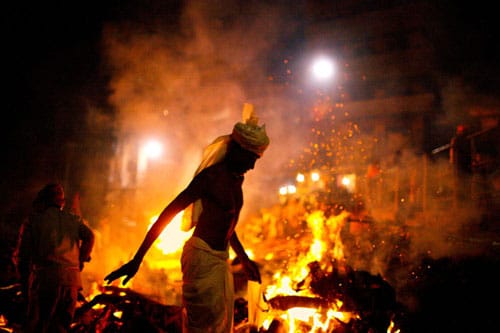
Being a photographer in Pakistan is tough, but not for the reasons I was warned about. I kept up on the news, obsessed over old stories about Daniel Pearl and new stories about kidnappings and violence, talked to other photographers who have worked there, and tried to gather all the information I could before my trip. Once there, I never felt threatened or bristled with any of the anti-American sentiment that we, “the media,” seemed to be talking a lot about these days in the wake of Osama bin Laden's death and the Raymond Davis incident. Instead, what I felt was such an intense curiosity from the Pakistani people that it sometimes made working more difficult.

Photographing In Pakistan

Photographing In Pakistan

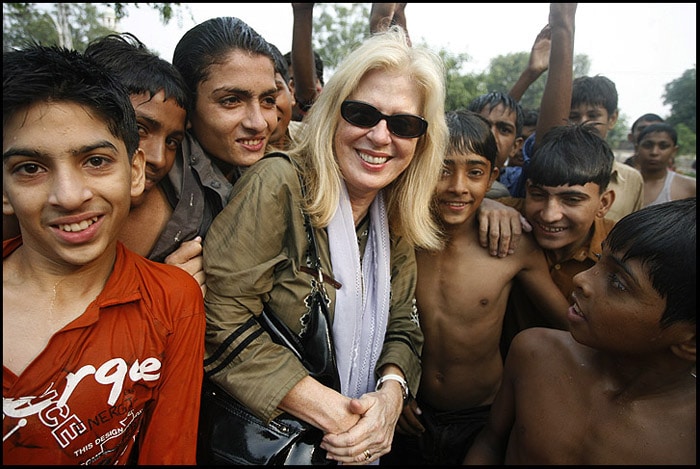
I can probably count the number of westerners the reporter and I saw during our entire trip on one hand, so when you went out on the street, we really stuck out — even when dressed in a traditional shalwar kameez and with a scarf. We had a lot of interviews set up, and specific story ideas we were pressing during our three week trip, but when we stopped at random (consider it feature hunting in another country, if you will), I generally had about 90 seconds from the time I got out of the car before I felt like I was in the middle of a mosh pit, with people coming out of the woodwork, crowding around, pushing trying to get a better view or hear what we were talking about.

Photographing In Pakistan

Photographing In Pakistan

Sometimes it was overwhelming, and it made it impossible to be that proverbial “fly on the wall.” Sometimes the fleeting moment would be gone in a flash, with people overly aware of us and shouting that universal phrase: take my picture. Once I even had to go sit back in the car for a few minutes to let the crowd dissipate because I felt a little claustrophobic and a lot frustrated. But other times it was entertaining, people wanted to shake our hands, asked us to pose for pictures with families, asked us questions about where we are from, what we're doing in Pakistan, and perhaps the most common, how we like their country.

Photographing In Pakistan

Photographing In Pakistan

Photographing In Pakistan

And truth be told, I really did like Pakistan. I can't imagine a country where people are more hospitable, and I can't count the glasses of hot tea with milk I was invited to have in the home's of total strangers who wanted nothing more than to know more about us, practice their English, and remind us that their country is more than what the headlines eluded to. It was also a great reminder for me to try and show that side of Pakistan in our own coverage.

Filed Under: Photojournalism Tagged With: Journalism, media, media access, melissa lyttle, pakistan, pakistani culture, photograph, photographing, reporting, salwar kameez, South Asia

An Interview With Photojournalist G.M.B. Akash

November 11, 2010 by Seshu | Editor & Publisher

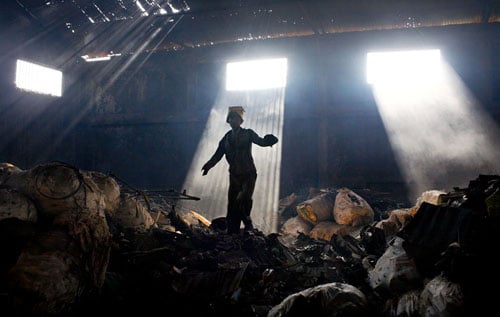
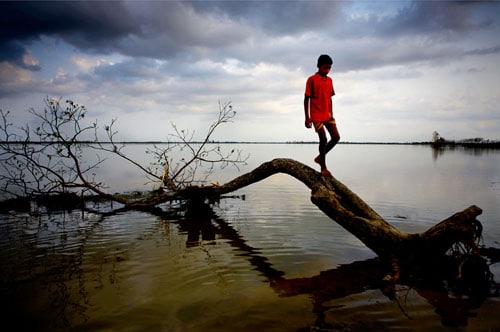
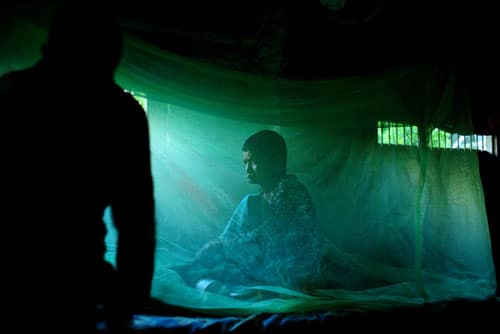
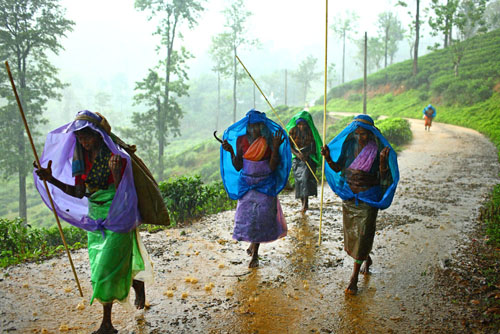
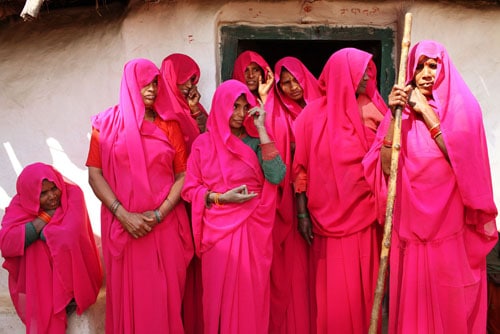
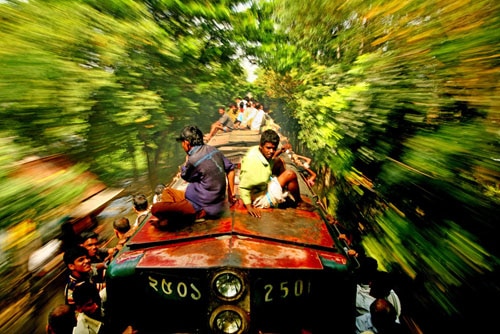
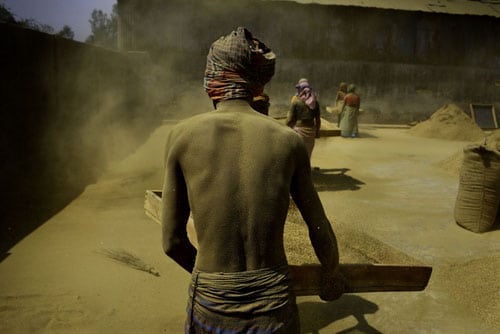
G.M.B. Akash, AvatarThis is a very special interview with an international, award-winning photojournalist G.M.B. Akash. He is based in Dhaka, Bangladesh and represented by Panos Pictures. Wrangling him into finding the time to answer these questions took some doing because he was always on the road working on one project or another. So, I am truly honored to host his images and his responses to a few of my questions here on Tiffinbox. If you have any questions or comments for him, please do submit them at the end of this post!

1) Tell us a little bit about yourself. Where are you from? How old are you?

I grew up in a home far removed from my profession. Throughout my childhood I did not have access to photographers, their work, or even a camera. Photography did not exist for me in theory or in practice. Then a decade ago I found my father’s old camera and my life took a different turn. My fascination for the captured image was uncontainable and overcame everything — even my inexperience. Not knowing what I was doing or why, I went everywhere shooting anything and everything that caught my attention. The only thing I was certain of were the subjects I photographed. I concentrated on people living on the edge of society because their faces, lives, and living conditions held a particular fascination for me. Gradually I became absorbed in their daily lives for months on end, learning from their experiences. My desire to capture it all on film pushed me to go to places and to meet people I never would have encountered otherwise. Each visit gave me a deeper understanding of humanity.

I am from Narayangonj, a city which is 200 km away from Dhaka. I come from a middle class, very ordinary family. I was born in 1977. I was always a last bencher in my school. I always felt inside that I have no talent like other kids. But photography gave me a new life.

G.M.B. Akash, A Photojournalist

2) Some would consider you Bangladesh's best known photojournalist. What has led to that success?

Hard work, honesty and respect towards the people whom I photograph.

G.M.B. Akash, A Photojournalist

3) Where were you trained as a photographer? And why, photojournalism? Why not advertising or travel?

My passion for photography began in 1996. I attended the World Press Photo seminar in Dhaka for 3 years and graduated with a BA in Photojournalism from Pathshala. I believe that the formal study of photography is necessary to survive in the industry today. But most important things are to be really passionate and dedicated.

The formal study helped me a lot but most of the time I learned from other photographers. I have learned from painting, songs and movies as well. Everyday I go through the work of other photographers and I learn from them. I have learned from many photographers.

Photography pushed me to go to places and to meet people I never would have encountered otherwise. Each visit gave me a deeper understanding of humanity. Today, I count myself blessed, having become a photographer. To be able to articulate the experiences of the voiceless, to bring their identity to the forefront, gives meaning and purpose to my own life.

In 1998, I saw a photo exhibition on AIDS victims, titled ‘Positive Lives’ at gallery in Dhaka. And realized for the first time how images can influence social perception. My first reaction, on seeing the exhibit was a complete subversion of my original perception of AIDS patients. It struck me how patients with AIDS are alienated and scorned by us because of social misconceptions, and I realized how I as a photographer could help dispel these misconceptions. I discovered the power that images have over us.

To me, photojournalism is a huge responsibility and a tough job. A photojournalist must be honest, hard worker, punctual, and he or she must respect other people.

I believe photography can bring lot of changes in our life. It can bring positive changes. In my case, “my images are my voice, I want to show the things that should be corrected or should be appreciated.”

G.M.B. Akash, A Photojournalist

G.M.B. Akash, A Photojournalist

G.M.B. Akash, A Photojournalist

4) What drives you to make images? Do you see it as a job or as a calling?

What I find most amazing about the work I do is that it opens my eyes to all these little pleasures of life. There is great pleasure in meeting people who are despised by the world, in sharing a cup of tea with them, and discovering that they are still capable of affection, though they themselves go unloved.

This is not a job about making money or succeeding; it is about pursuing art, and opening people’s eyes. That is the responsibility of every photographer.

G.M.B. Akash, A Photojournalist

G.M.B. Akash, A Photojournalist

5) How do you take on projects? Are they self-financed or do you write grants?

Most of my projects are self–financed. I keep saving my money from other assignments to keep doing my personal projects. I do not like using my camera for begging. Each of my projects usually lasts over a year or even two and I begin to use my camera only when I have earned the trust of the people whose lives I want to document.

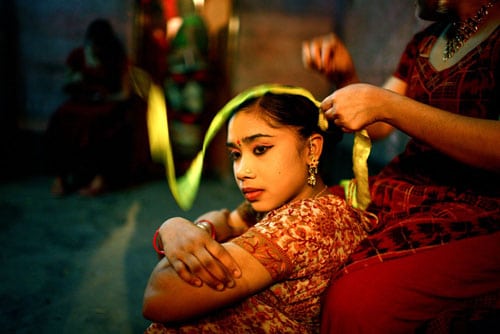
To portray a community or a way of life, you first need to understand it well yourself, otherwise the images become superficial, and neither you, nor those who look at your photographs, will be touched or moved. In fact, I let the year pass in regular visits to a small community of transvestites in Dhaka, before I eventually started taking their photos. I like to mingle with my subjects, I visit them often, and I invite them to my house, to get it across that I see them as people rather them mere subjects of photography.

G.M.B. Akash, A Photojournalist

G.M.B. Akash, A Photojournalist

6) There is great sensitivity to people in your images? How did you cultivate it? How do you approach people when you are doing stories?

With every picture you take, you enter a space that is unknown to you as a photographer. In the beginning it feels like forbidden territory, a place you are not supposed to enter surrounded by borders of privacy you are not supposed to cross. You, the photographer, are there at a factory, an old home or a brothel with your simple black bag hanging from your shoulder, eying everything around you as you are eyed by the people there. The first days following these intrusions I never take pictures because they would not be good. I wouldn’t know the people I met, wouldn’t understand the place I had just entered – my photography would be stale and meaningless. But there is always that moment when it feels completely natural to open that bag. And also there is no way of telling why it comes. Suddenly, I have a friendly conversation, or the afternoon light makes everybody around me relaxed and mellow, or someone looks at me in a trusting yet familiar way.

Then I take out my camera, and for me and everybody around me it is the most natural thing to do. There is consent. People don’t accuse me, or reject me or pose in unnatural ways. They are just there, doing what they normally do. Then I click away, and it feels like a conversation, a conversation between me and the people, between me and the location, between me and the light, between me and the souls that make this place alive. In such moments a landscape becomes a soulscape.

After such moments, life where I am working becomes trivial again, and the next day everybody asks for their photographs, and there is no difference if the people are girls from a brothel, children who work in a factory or farmers from the countryside. But these little exchanges bring us closer to each other, and the ties between us, which started with small talk and conversation and continued with the first pictures I took, will begin to become deeper and more meaningful, and so will the pictures I take. And the closer I get to them and the deeper our friendship becomes, the simpler my photography gets. I am no longer looking for special angles or artistic points of views; I just open myself to these people, take a good look, frame and wait for the right moment. When I walk home, I have all the moments that I missed in my head, and they will become my source of inspiration in the days to come.

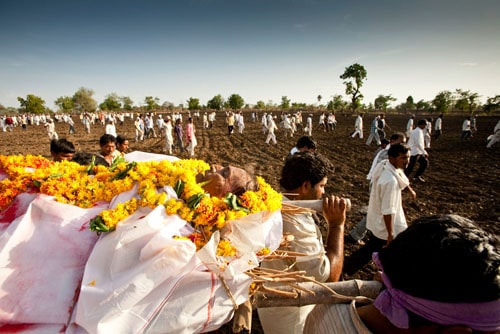
I see the beauty of people and the human soul in the pictures I take. And though the circumstances of some of the people I portray may be grim, back-breaking, depraved, the people themselves are always remarkable characters and souls. And it is my duty as a photographer and artist to point with my pictures at every aspect of existence in the society and world I live in, to show what can be shown, to go deep into every milieu and also into every aspect of poverty, deprivation and hardship that I encounter – because the only sin for a photographer is to turn his head and look away.

G.M.B. Akash, A Photojournalist

7) You keep winning award after award and you are very good about making it known that you were either nominated or you won. Where did you learn such a basic marketing strategy – that is, to be in forefront of everyone's mind when it comes to photography? What or who inspired you to follow that template?

I am very much alone in the Bangladeshi photography industry. I do not even have photographers as friends. I learned everything for my survival. I keep doing the hard work. And my God was always so kind to me and my friends and family.

G.M.B. Akash, A Photojournalist

G.M.B. Akash, A Photojournalist

8) What is the photo world like in Bangladesh? Does most of it revolve around Dhaka? Are Pathashala and Drik still the only resources for emerging photojournalists?

Lot of people are getting interested in photography in Bangladesh. It is becoming a very popular art form. Pathshala is one of the main photography schools. But there are many other schools which also
give a very good education.

It is very tough to survive as a freelancer now days. Especially in Bangladesh. Wire services like AFP, Reuters, AP, EPA capture all the markets. They are very fast and very powerful. They have a huge investment and network. They have their staff everywhere. It is really hard to publish your work as a freelancer.

But what I believe is this: “if you remain true to your work then your work will remain true to you”

G.M.B. Akash, A Photojournalist

9) Do Bangladeshi photojournalists have a network? Is there a sense of camaraderie and competition between photographers?

We have huge competition and huge politics in Bangladeshi photography. Lots of groups and nepotism. Few people control the whole system and they only favor their own people.

G.M.B. Akash, A Photojournalist

10) What challenges do you face when you are commissioned by magazines or newspapers around the world?

Every assignment is a new experience to me. Till today, I have received more than 40 international awards from all around the world and my work has been featured in over 50 major international publications including: National Geographic, Time, Sunday Times, Newsweek, Geo, Stern, Der Spiegel, The Fader, Brand Eins, The Guardian, Marie Claire, Colors, The Economist, The New Internationalist, Kontinente, Amnesty Journal, Courier International, PDN, Die Zeit, Days Japan, Hello, and Sunday Telegraph of London.

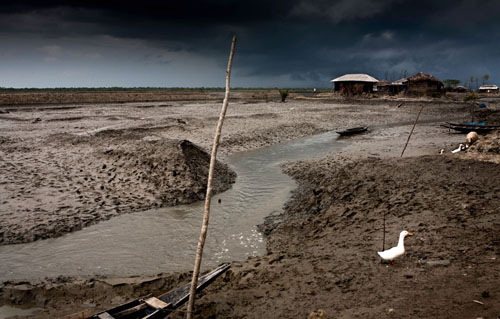
It is challenging to work with so many international magazines. Bangladesh is not an internationally important country. I've met so many people who even don’t know where Bangladesh is. Magazines seem to only want photographs from Bangladesh when there are big floods or big disasters.

We have also lot of problems in acquiring travel visas. If something happens in India or Pakistan, we cannot go there instantly. It takes a few days for getting the proper visa. It is so easy for a photographer from a developing country to get a visa but that's not the case for Bangladeshi photographers; it is almost impossible to go into a conflict zone.

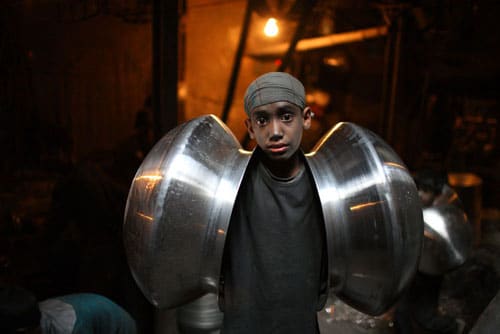
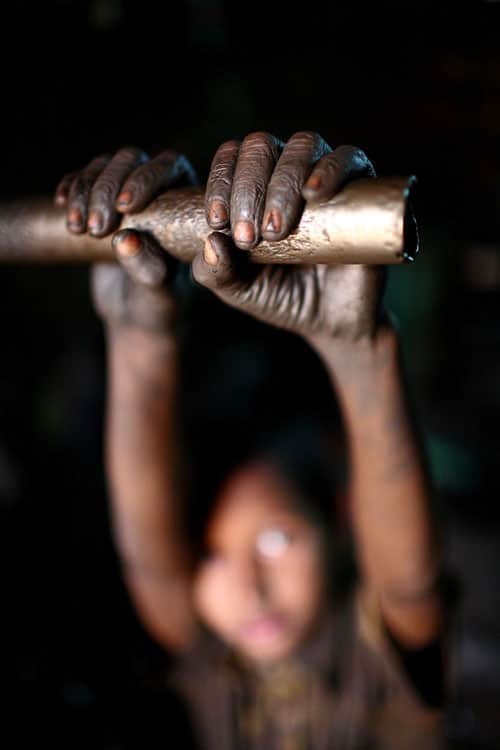
But all these awards and publications bring lot of attention on those issues that I have been working. After seeing my work, so many individual people and organizations have shown their interest to help/improve the situation of child labor in Bangladesh and other issues.

My work on “home for elderly people in Nepal” has been printed in a German magazine. After it got printed so many individuals and organizations came to help them. We raised lot of money for this old home. The situation at that old home was very bad and the elderly people who lived there found it hard to get food three times a day.

G.M.B. Akash, A Photojournalist

11) Are you mentoring anyone interested in pursuing a career in photojournalism? Have you considered conducting workshops in South Asia?

I am trying to help a few of my friends. But no workshops at this time. I am very busy with assignments, traveling and working on my personal projects. And I really want to keep taking lot of photos. I need more time for organizing and giving workshops.

G.M.B. Akash, A Photojournalist

12) Have you ever been tempted to work with video? Will still photography always be your main mode of communication?

I have never tried video but I really want to start making short videos. I mainly concentrate on still photography now.

13) What are you trying to say with your photography?

I see the beauty of people and the human souls in the pictures I take.

G.M.B. Akash, A Photojournalist

Filed Under: Interviews, Photojournalism Tagged With: akash, bangladeshi, dhaka, g.m.b. akash, human interest, international award, interview, Journalism, meeting people, News, optics, people, photographer, Photography, photojournalist, photojournalists, positive lives, shahidul alam, world press photo

Around The World, Yet Across The Street

July 30, 2010 by Guest

Trudy Hamilton, AvatarThis is a guest post by Trudy Hamilton, a portrait and lifestyle photographer and blogger, originally from Florida and now residing the the San Francisco Bay area. She can also be found on Facebook and Twitter.

Most photographers that I know enjoy the adventure that travel brings into their lives. Whether it be personal travel, such as visiting family, or business travel, such as the destination wedding or a location commercial shoot, travel is both a pleasure and necessity. However, unless we're all Joe McNally, we probably don't travel as much as we'd like to.

One of the best reasons to travel is simply to experience the culture of another, hopefully though an open mind, heart and camera. However, you don't have to travel all of the time to experience and photograph another culture. An exciting and economical way to do so is to explore the cultural events of your community. I photographed my first community cultural event in 2006 and I have been interested in them ever since. The beauty of people, music, food, fashion and uniqueness has always excited me and appealed to me. This is why I travel, but also why my mind and heart can travel even when I am home.

A few good reasons to embrace your local community cultural events are:

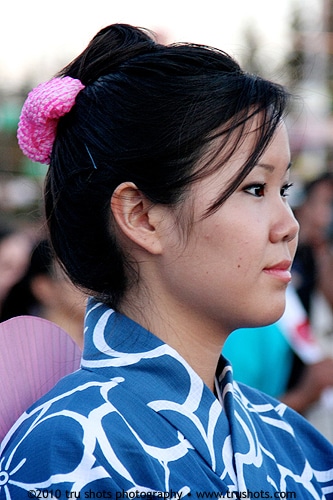
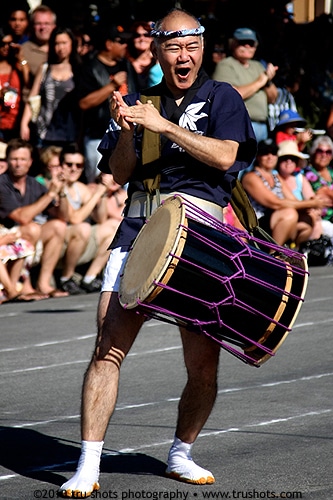
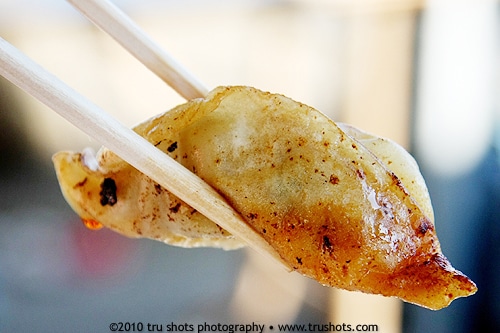
1) It's a learning opportunity. If you are open to it, a community cultural event can be a learning experience for you. Certainly I could have read an article on the Obon Festival, but I chose to attend one in Japantown of San Jose, CA a few weeks ago. I have been to Japan, but certainly couldn't pick up and go again a few weeks ago. But by attending the festival, I chatted with and photographed Japanese, Japanese Americans and others at the event, listened to the powerful yet soothing sounds of the San Jose Taiko and enjoyed gyoza–some of the same activities I did while I was actually in Japan a few years ago. For several hours, it was like I was transformed from traditional Bay Area Cali and merged into Japanese culture.

Japanese Woman In A Kimono

Japanese Man Drumming by Trudy Hamilton

Gyoza by Trudy Hamilton

2) It's a photographic opportunity. Certainly most photographers desire paid work versus unpaid work, especially the ones running a business. However, sometimes it is good to photograph truly for the sake of creation. Cultural photojournalism differs from my portraiture work. I use different camera settings, I have different compositional ideas and a different intent and message with every photograph that I create at a community cultural event. It's great exercise for me for when I do have paid event photography and great exercise in my creativity and storytelling, in general.

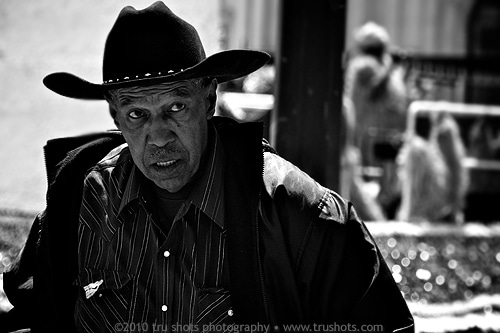
3) It's a networking opportunity. I am an introvert. Though I am not shy, as introversion does not always equate to shyness, I am usually uncomfortable and drained by traditional networking events and conventions. However, at a community cultural event, such as one I attended a month ago in San Francisco, Juneteenth, I can stay below radar and only photograph if I choose, or chat with people who ask me about my work simply from seeing me with what they call a big camera. At this aforementioned event, someone came up and talked with me. I ended up booking them as a client on the spot. So not only was it a great cultural experience (even just to embrace stories of Black people in America–ones that I could see in the very skin of the men I photographed below, who are only a few generations removed from slavery) but it was a business opportunity as well.

Man In Cowboy Hat by Trudy Hamilton

Street Photography by Trudy Hamilton

Acknowledging, embracing and understanding the cultures of others doesn't just make us better photographers, it makes us better humans. So I encourage you to view your city's website or a site like Yelp and look for the next event in your area, whether it be a Japanese, Chinese, Italian, Filipino, Jamaican or Irish festival (I've been to all of these types) and check it out. It may truly be a learning, photographic and networking opportunity for you as it has been for me. Embrace the true beauty within yourself, by embracing the beauty of others.

Filed Under: Culture, Photography Tagged With: as a, business travels, Community, cultural, cultural events, Culture, embrace, embracing, japanese culture, Journalism, mass media, photograph, photographer, Photography, Photojournalism, san francisco, stock photography, visual journalism

Subscribe To Tiffibox Treats!

Looking for a well-curated email newsletter that will leave you inspired and motivated about your photography business? Sign up below!

About Seshu

Seshu creates relaxed portraits of families and high school seniors in Avon, Connecticut. He also leads a successful headshot photography studio in Connecticut, helping professionals from a variety of disciplines project the very best versions of themselves. He created Tiffinbox as a way of inspiring photographers, to create better images and successful businesses. [Read More]

Email Templates For Headshot Photographers

Email Templates for Headshot Photographers

Recent Posts

  • How Capture One Changed My Event Photography
  • 10 Steps To Stay Positive In Times Of Great Stress
  • Why You Need To Read “Personal Branding For Photographers” Now
  • How To Master Your Website Content Step By Step?
  • Tony Taafe’s TNT Method For Headshot Photographers

Recent Comments

  • Stephen Davison on Are You A Business Owner Who Is Smart, But Stuck?
  • Ben A. on Don Giannatti Clinches The 8th Annual Tiffinbox Award
  • Dan on Don Giannatti Clinches The 8th Annual Tiffinbox Award
  • Donald Giannatti on Don Giannatti Clinches The 8th Annual Tiffinbox Award
  • Stephen Davison on G.E. Masana’s 6 Strategies For Wedding Photography Success
  • Naveen Kumar on Weddings In India Are More Than Being At The Right Place And At The Right Time
  • kartick on Weddings In India Are More Than Being At The Right Place And At The Right Time
  • Leonid Farbman on 6 Uncommon Trends To Grow Your Photography Business
  • Willow and Finch Wedding Photography on 11 Reception Tips To Help Your Wedding Photography
  • Web Designer Malaysia on How To Optimize Your Squarespace Website For Search Engines
  • Creastan on An Interview With Photojournalist G.M.B. Akash
  • Cindy Brown | Atlanta on An Open Letter To A Local Photographer

Become a Patron!

Copyright © 2026 · Tiffinbox · Site Design by Heather Mackan Creative · Built on Genesis