• Photography
  • Interviews
  • Business
  • Reviews

Tiffinbox

Inspiring Photographers

  • Home
  • About
  • Blog
  • Contact

How You Can Optimize Facebook Marketing

June 11, 2012 by Craig Robinson

Today's guest post is by Craig Robinson. He works as Editor for a Facebook Ad manager tool called Qwaya. Besides writing about topcis like this one, Craig covers other trends within Social Media for Qwaya and he has studied Social Context and Media-Communication Science.

Facebook is a great marketing channel for small businesses. If you put some effort into creating and tweaking your campaigns, you may outperform bigger competitors who won’t spend as much time on a single niche. But it takes a lot of testing and result analysis to succeed. You can’t just put up an ad and wait for it to convert.

Before we go any further, let’s quickly look at the advertising options available on Facebook.

Social or Antisocial Ads

You could say that Facebook ads range from classic, banner-like online ads to social recommendations.

The first category consists of the ads you see to the right of your news feed. When you click them you’re usually directed to a company’s webpage where you’re supposed to sign up or make a purchase.

Remember, though, that you can still be quite creative when you make these ads even though there are rather strict rules regarding text length and image size etc. Here’s a short list with great tips on how to change things up.

Just keep in mind that you need to have material in the ad that is followed up when the person clicks through to wherever the ad is pointing. Forget “smiling ladies” and generic “persons standing around having fun together.” Use pictures and texts that really represent what you are about instead.

On the other hand of the spectrum we have sponsored stories, which is a mix between an ad and a recommendation from a friend to a friend. This could be that someone comments on your fan page and the comment is converted into an ad shown to his friends. It could also be a check-in at your studio, an RSVP to an exhibition or that someone likes or tags an image you’ve posted.

Basically anything can be turned into an ad/recommendation, and for people working in creative industries, social Facebook ads are often the best option. You highlight when someone does something on your fan page and this action is then spread to this person’s friends. People see that you are “liked”.

Facebook Ads Optimization

Facebook is packed with people. Everybody is there. So your problem as an advertiser is not how to reach out to as many as possible but rather how to reach out to the right people – people who will like you, visit your website or fan page, and in the end become a customer.

Because of this you have to use demographic features when you’re creating your ads, such as age, interests, geographic locations etc.

My biggest advice for aspiring Facebook advertisers is to test everything – different type of ads and different targeting. This is the only way to really find out what which your best target groups are and what kind of ads they respond to.

One such group could be women in Seattle who like photography and are between ages 25-35. If you approach them with both traditional Facebook marketplace ads as well as sponsored stories you’ll soon find out what ad type matches your business goals and then you carry on using the best-performing ads.

You can of course organize the ads yourself through Facebook, but it’s a bit of a hassle. You will have to keep track on your own which ads are running, when they are running, how much impressions they get and so on. After a while this can cause some problems as you are probably spending money on stuff you don’t want.

When you’ve started to run several campaigns simultaneously you might benefit from using a tool to help you keep track of where you are in the advertising process, and perhaps even more important, which ads that actually made profit or met your business goal in terms of number of likes etc.

The only tool on the market today that provides a full self-serviced solution is Qwaya. The tool is completely browser based so that you can access it anywhere. Qwaya has direct access to Facebook’s API which means that it’s always updated with the latest segmentation features and demographic options.
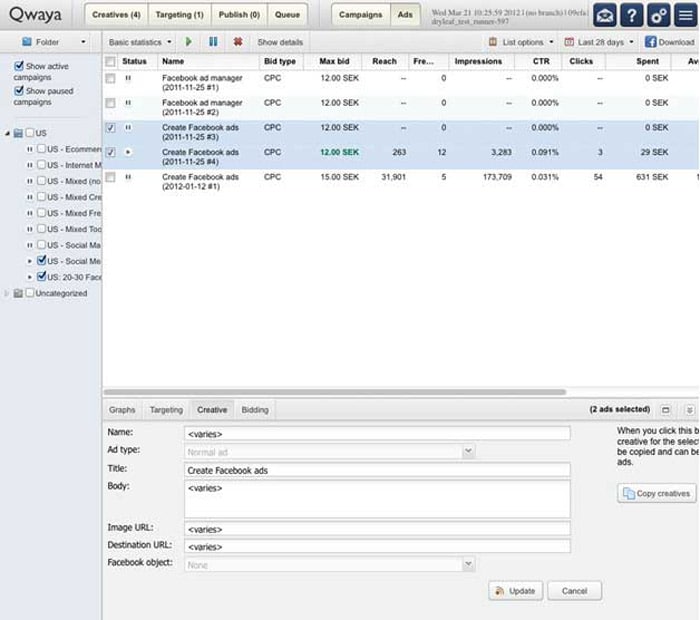
Qwaya Campaign Interface

Most Important Thing When Making Ads

When realizing that Facebook is full of people with different interests and demographics it’s easier to create ads with them in mind. One key thing to remember is to always A/B test ads for the same demographic group and follow up on the result.

Don’t just run ads and hope for the best. You might improve the results if you tweak them a bit. Use the statistics that you get from Facebook, perhaps Google Analytics or some other tracking source. In doing so you will be able to quickly move your advertising budget to ads that perform well and cancel ads that just cost you money.

Again, the key is to start advertising to different people in different ways and then let the results dictate the future.

These are just some short tips on Ads for Facebook. If you are interested in learning more you can check out this page for more Facebook marketing strategy tips.

Would you like to win a month-long access to Qwaya's Premium Plan (valued at $149)?

Here is what you need to do to win:

1) Comment below, telling us how you would use your Qwaya account
2) “LIKE” Tiffinbox on Facebook – https://www.facebook.com/tiffinboxmedia
3) Tweet “I just LIKED #Tiffinbox on Facebook – http://seshu.me/JSOBYk – for a chance to win a month of Qwaya for my photography business. Please RT!”

I'll randomly pick one person who has commented below, LIKED Tiffinbox on Facebook and posted the Tweet as it appears above. Winner will be notified via Facebook on June 15th.
Filed Under: Marketing, Photography Tagged With: ad manager, advertising, blog software, facebook, facebook ads, facebook features, facebook marketing, facebook marketplace, facebook social, Marketing, marketing channel, marketplace ads, online social networking, social facebook, social information processing

9 Steps To Building A Better Photography Brand & Boosting Your Business

January 25, 2012 by Ellen Petty

This guest blog is by Ellen Petty, the Head Brandslinger at Identity Kitchen, a marketing and design studio specializing in photographers. She and her business partner Marty Thornley launched a new line of affordable all-in-one WordPress portfolio sites designed specifically for professional photographers at PhotographyBlogSites.com.

Just yesterday, they announced new lower pricing on their self managed, all-inclusive BlogSites. As a special thank you to the Tiffinbox audience, they would like to extend an extra $50 off your first year when you use the code TIFFINBOX50.

Let’s Start at the Beginning. What is Branding?

Your brand is your touchpoint. Everything from how you answer your phones to the auto-responder on your email. Yes, it’s the big picture items; your website, your business card, your space, but it is the cohesiveness, that glue that gives a clear picture to your potential clients. There are some companies, (Starbuck’s anyone?) They do this very, very well. Talk about the Starbucks cup, how it fits perfect in your hand. Not a waxy exterior, not styrofoam, a little thinner than a regular takeout coffee. How much planning do you think went into just the coffee cup? Now let’s talk interior, advertising, their charities, the music, the Wifi.

“That's great for Starbucks”, you say, but how can I create a killer brand for my photography business? Here are 9 steps to not only get you started, and make sure you stay on track.

1) What’s Your Mantra?

Your brand essence, sometimes called your brand mantra, is the heart and soul of your business. Sometimes defined in a few words. Your brand essence is “Who you are”. Try and define your brand in six words or less. If I said “Maiden voyage…iceberg…not enough lifeboats” you would know Titanic. How can you define who you are?

Start with describing your work, yourself, your approach. Ask, who am I, who is this business? Choose 5-6 words that best describe you and your business.

2) Who Am I?

This is your brand positioning; what makes my business different from my competition? Is it the service that you give? Is it the kind of photographs you take? Is it the kind of photographer you are?

One of the most important rules in positioning your business and your brand is to know your competition. Once you know what you are up against, once you understand your competition you can figure out how you are different AND create a unique business perspective and carve out your very own market share.

3) Define Your Target Audience?

Do you know your target customers? Who are you going after? Engaged couples? Parents? Parents to be? What is their demographic? How do you want to come across to them?

This is where you really think about who your client or potential client is. Where do they shop, what toothpaste they use, how much disposable income they have, are they like you are they not like you?

4) Get Inspired

Now that you know who you are, what makes you/your studio different, who your competition is and who you are talking to…it’s time to get inspired, and really push that creative envelope. Look to places outside the photography industry for inspiration. Fashion, architecture, music, fine art, even food. Wherever your muse lies, don’t be afraid to interpret. Pinterest is a fantastic place to create style boards and have a sneak peek into other creative formulas.

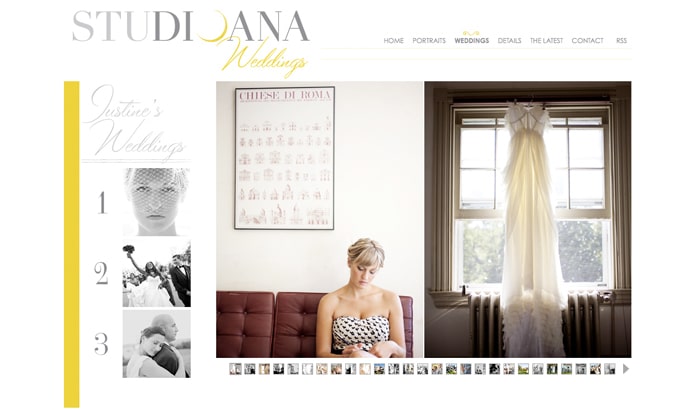
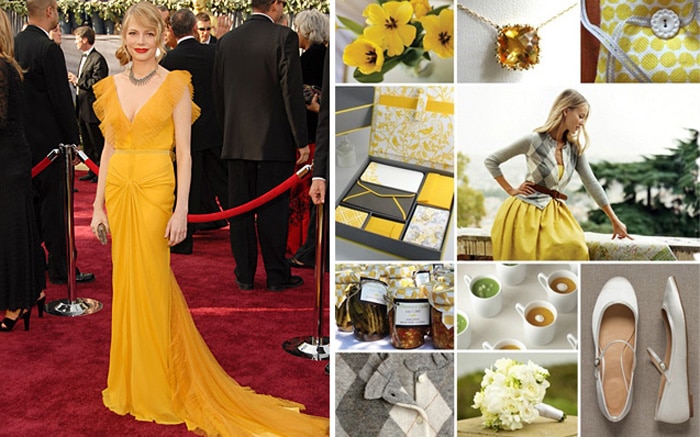
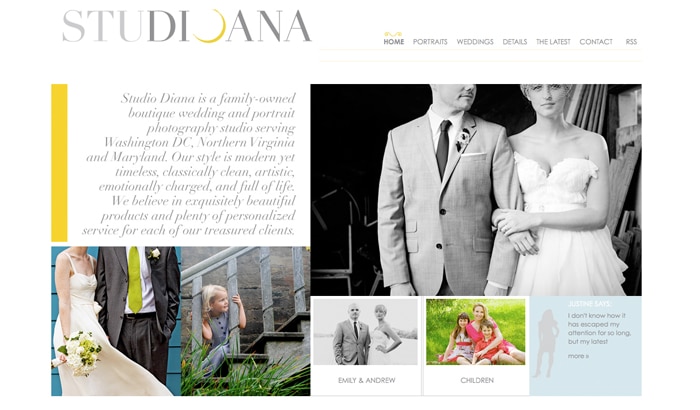
Below is an example of an inspiration board and how we translated it into the online brand design for Studio Diana.

Studio Diana - Fashion

Studio Diana - Wedding

Studio Diana - Wedding

5, 6 & 7) The 3 C’s; Get Creative, Make It Cohesive, Keep It Consistent

Ok, you have your strategy, you have your inspiration boards, now it’s time to get creative. Whether you are designing your brand yourself or hiring an outside designer, this is where the magic happens. The “Ah-­?ha” moment. The spark, that can be realized as your own personal touchpoint or brand.

Once you choose a design path make sure there is a thread or a few that keeps your brand cohesive and consistent across all mediums. Print, online, advertising, promotion, and sales. Don’t be afraid to loosen the reins on your brand as you move between mediums, keeping your brand consistent, does not mean choking it. This is where it may be helpful to bring in a professional.

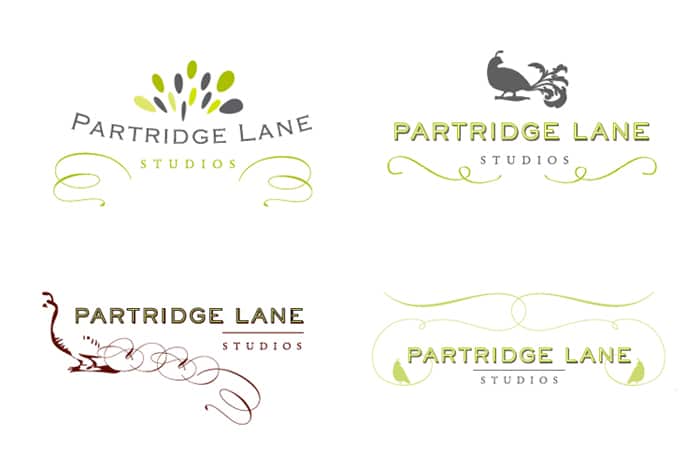
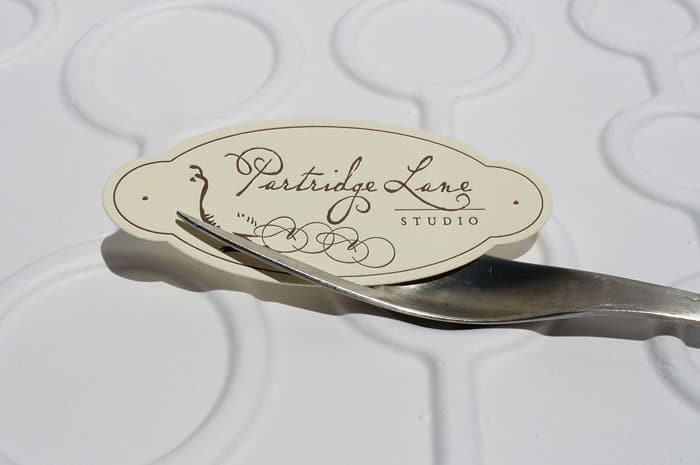
Below are some examples of the creative process of Partridge Lane Studios. Also, an example of how we kept the look cohesive from printed material to the online presence.

Partridge Lane Logos Grouped

Partridge Lane Business Card

Partridge Lane Home Page

8) Choose Your Best Work

If you have completed the last 7 steps, we know you can make choices. Don’t question yourself now. It’s time to choose your best work. Go through your body of work and choose your best 5, 10 and 20 pieces. Those should always be front and center on all your promotional vehicles. Be strong, if you feel a piece does not live up to the standard of these choices, they should not appear in your portfolio. Your online galleries should be between 20 & 30 photos per gallery. Always aim to put your very best foot forward.

9) Be Unique

If you have followed these steps you should arrive at a brand that is unique, because it is you. If it is true to who you are as an artist, it is right.
One of my favorite sayings when it comes to finding your true voice in life and in branding is by Oscar Wilde, “Be yourself, because everyone else is already taken.

Filed Under: Marketing, Photography, Portraits, Weddings Tagged With: advertising, better photography, brand, brand positioning, branding, Business, business cards, business partners, communication, communication design, design studio, ellen petty, graphic design, identity design, Marketing, Photography Business, positioning, professional photographers, starbucks, studios, touchpoint

Revisiting “What’s Too Sexy for High School Seniors?”

November 4, 2010 by Guest

Andy Bondurant, AvatarThis guest blog is by Andy Bondurant, co-founder and director of Senior Portrait Artists (spa) an organization dedicated to equipping and inspiring senior portrait photographers. spa holds an annual Event that will be held this year in Palm Springs, California, in February 2011. Feel free to follow Andy on Twitter (@spartists), Facebook or the spa blog. Find out more about how spa and spa Event can help your senior portrait business by visiting www.spartists.com.

One of the problems that confront photographers who create high school senior portraiture on a regular basis is the question “What's too sexy?” It seems like every time I get together with a group of photographers, this discussion comes up. Everyone deals with it. I've posted on this question several times over the past year, and it has been one of the most viewed blog posts on the spa Blog to date.

In short, there is no real easy answer. You may please the senior, but not the parent or the parent but not the senior. Or you may be able to please both the senior and mother, but totally miss on the father. It's a fine line to walk no matter how you approach it.

Quite a few years ago we learned a great tip from fellow senior portrait photographer Gary Box. He says there are three things that make up a portrait that may be viewed as too sexy.

1. Outfit
2. Pose
3. Facial expression

His rule is that you can get away with using any two of the above three at one time. However, once you combine all three, you will have an image that has crossed the line and officially become too sexy. So if a senior brings in an outfit that will expose quite a bit of cleavage be careful with either the pose or expression (as well as being willing to talk with the parent and senior about the outfit chosen and how it may look).

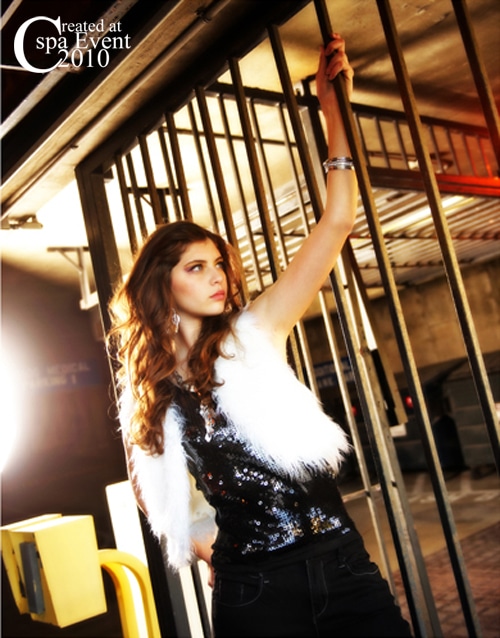
Now, here may be the bigger and more important question – even though you've pleased the client how do you choose an image for your advertising? It was a question that was raised in the spa Talk membership forum just the other day – “Is this advertisement too sexy?”

I recently read a great article about branding and marketing about how a funny image or advertisement is good but it does not compete with an image that creates shock. Both engage emotion, but the one that shocks causes movement in the viewer more often than the one that is funny. In all honesty, if you aren't getting an email, phone call or letter every year or so that says you've crossed the line, you may not be close enough to the edge.

Again, it's a fine line. A really fine line. When working to attract clients and potential clients to your studio the reality is that sex sells, but at the same time too much sex repels. The same three rules apply in advertising, like they do in shooting an image for a client.

It's important to remember that in the end, high school seniors are kids. Many times they aren't even 18 years old. They aren't models, how you project them in your advertising can change the image they carry in their world (both for good or bad).

So, what do you think – have you been told that your work crosses that line? Do you agree that none of the images of high school seniors are “too sexy”, just right or completely inappropriate? Comment below. A dialogue is usually a spark for bigger ideas. Your voice is heard here!

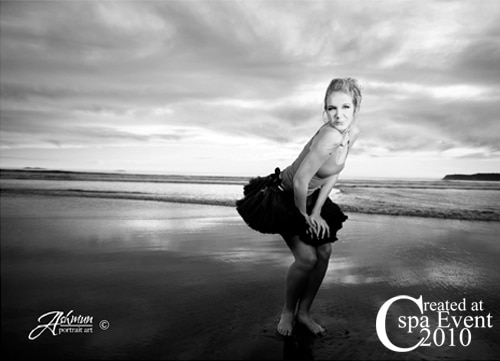
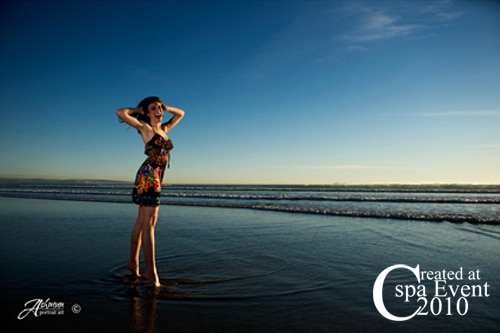
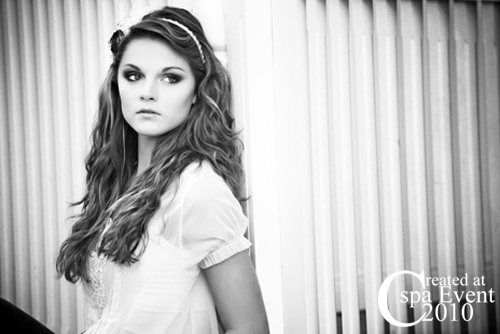
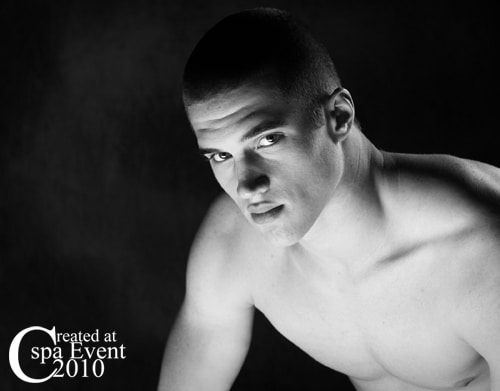
Senior Portrait Photography

Senior Portrait Photography

Senior Portrait Photography

Senior Portrait Photography

Senior Portrait Photography

Senior Portrait Photography

Senior Portrait Photography

Senior Portrait Photography

Senior Portrait Photography

Senior Portrait Photography

Filed Under: Commentary, Culture, high school senior portraiture, Photography Tagged With: advertising, andy bondurant, arts, Business, communication, explicit, high school, high school seniors, Marketing, model, modeling, palm spring, photographer, posing, questions, senior portrait photographer, senior portraits, sexual, too sexy

Subscribe To Tiffibox Treats!

Looking for a well-curated email newsletter that will leave you inspired and motivated about your photography business? Sign up below!

About Seshu

Seshu creates relaxed portraits of families and high school seniors in Avon, Connecticut. He also leads a successful headshot photography studio in Connecticut, helping professionals from a variety of disciplines project the very best versions of themselves. He created Tiffinbox as a way of inspiring photographers, to create better images and successful businesses. [Read More]

Email Templates For Headshot Photographers

Email Templates for Headshot Photographers

Recent Posts

  • How Capture One Changed My Event Photography
  • 10 Steps To Stay Positive In Times Of Great Stress
  • Why You Need To Read “Personal Branding For Photographers” Now
  • How To Master Your Website Content Step By Step?
  • Tony Taafe’s TNT Method For Headshot Photographers

Recent Comments

  • Stephen Davison on Are You A Business Owner Who Is Smart, But Stuck?
  • Ben A. on Don Giannatti Clinches The 8th Annual Tiffinbox Award
  • Dan on Don Giannatti Clinches The 8th Annual Tiffinbox Award
  • Donald Giannatti on Don Giannatti Clinches The 8th Annual Tiffinbox Award
  • Stephen Davison on G.E. Masana’s 6 Strategies For Wedding Photography Success
  • Naveen Kumar on Weddings In India Are More Than Being At The Right Place And At The Right Time
  • kartick on Weddings In India Are More Than Being At The Right Place And At The Right Time
  • Leonid Farbman on 6 Uncommon Trends To Grow Your Photography Business
  • Willow and Finch Wedding Photography on 11 Reception Tips To Help Your Wedding Photography
  • Web Designer Malaysia on How To Optimize Your Squarespace Website For Search Engines
  • Creastan on An Interview With Photojournalist G.M.B. Akash
  • Cindy Brown | Atlanta on An Open Letter To A Local Photographer

Become a Patron!

Copyright © 2026 · Tiffinbox · Site Design by Heather Mackan Creative · Built on Genesis