• Photography
  • Interviews
  • Business
  • Reviews

Tiffinbox

Inspiring Photographers

  • Home
  • About
  • Blog
  • Contact

Pete Wright Wrote The Book On Cinematic Portraits

June 18, 2016 by Seshu | Editor & Publisher

Pete Wright, a photographer, teacher, speaker and author, is obsessed with everything George Hurrell.

Glamor Portrait Photography
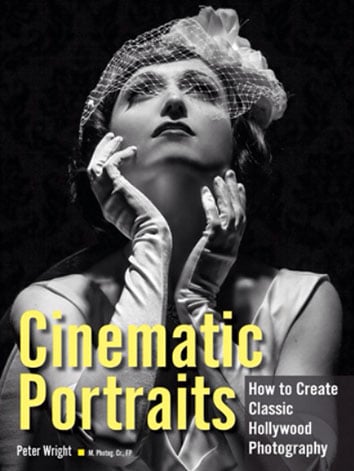
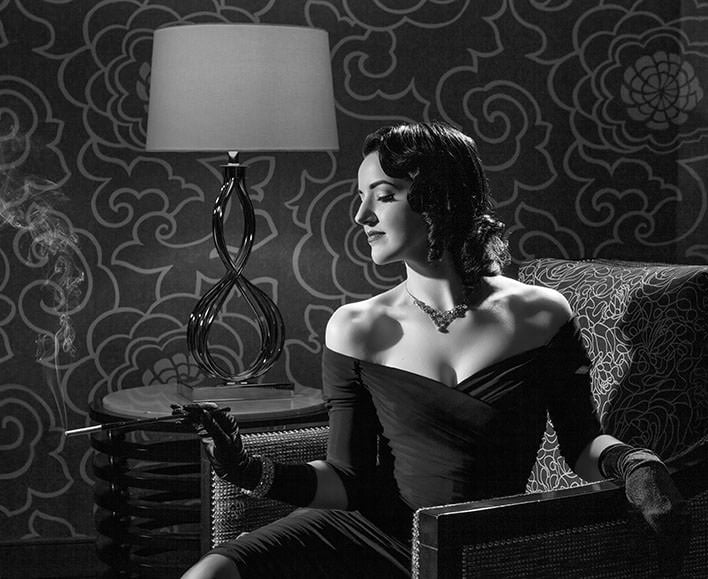
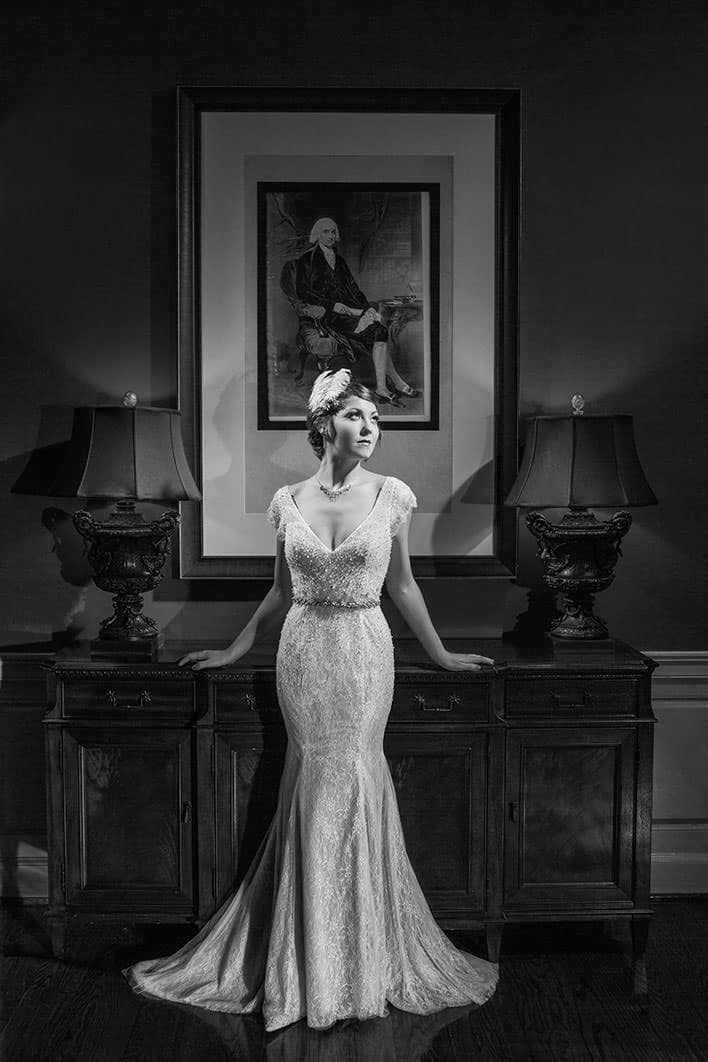
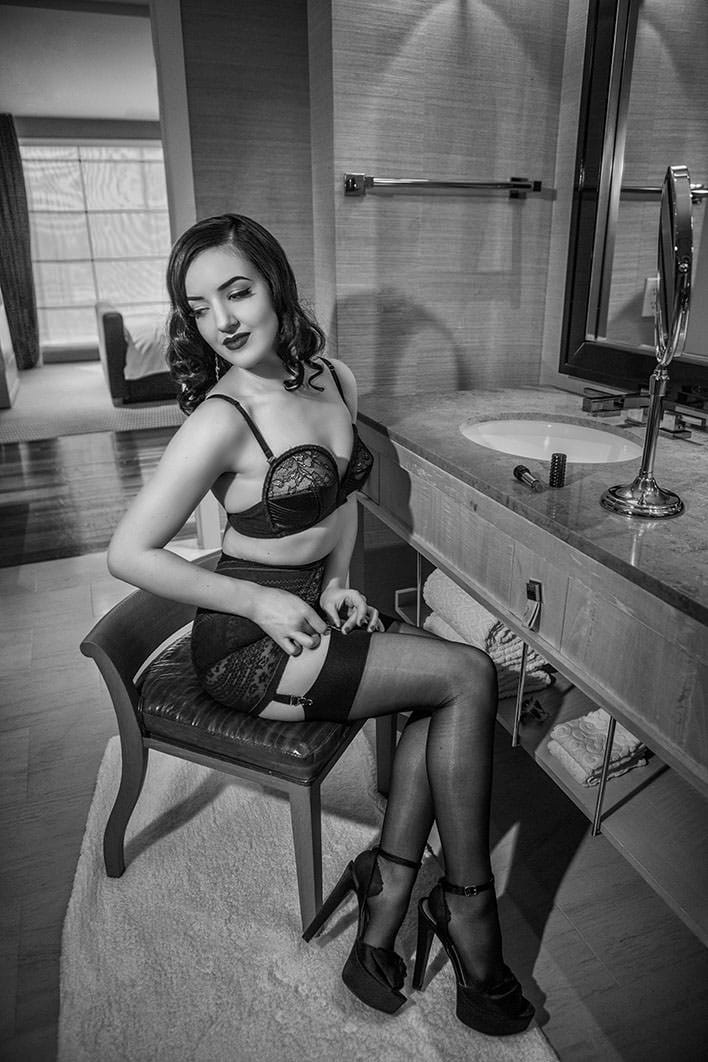
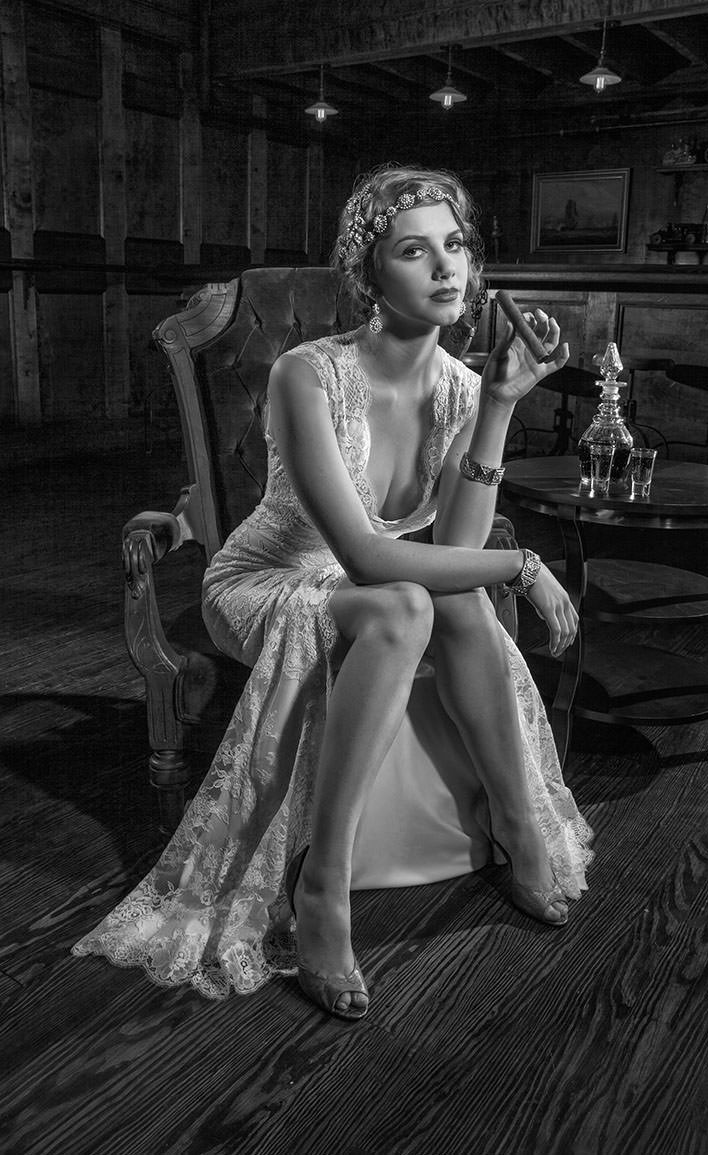
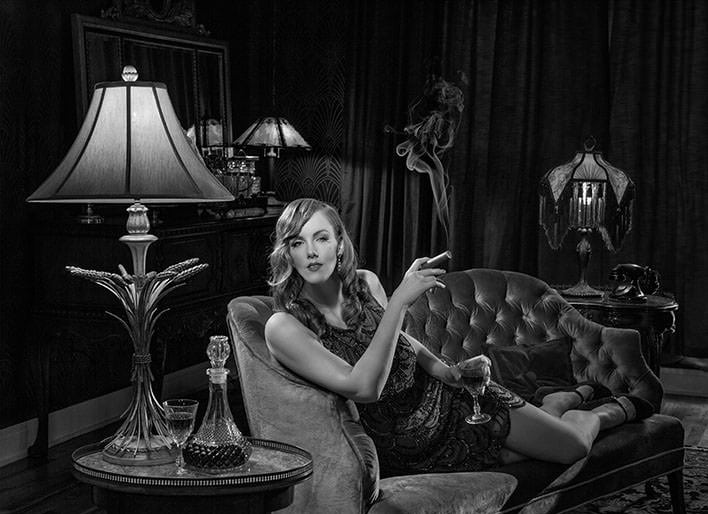
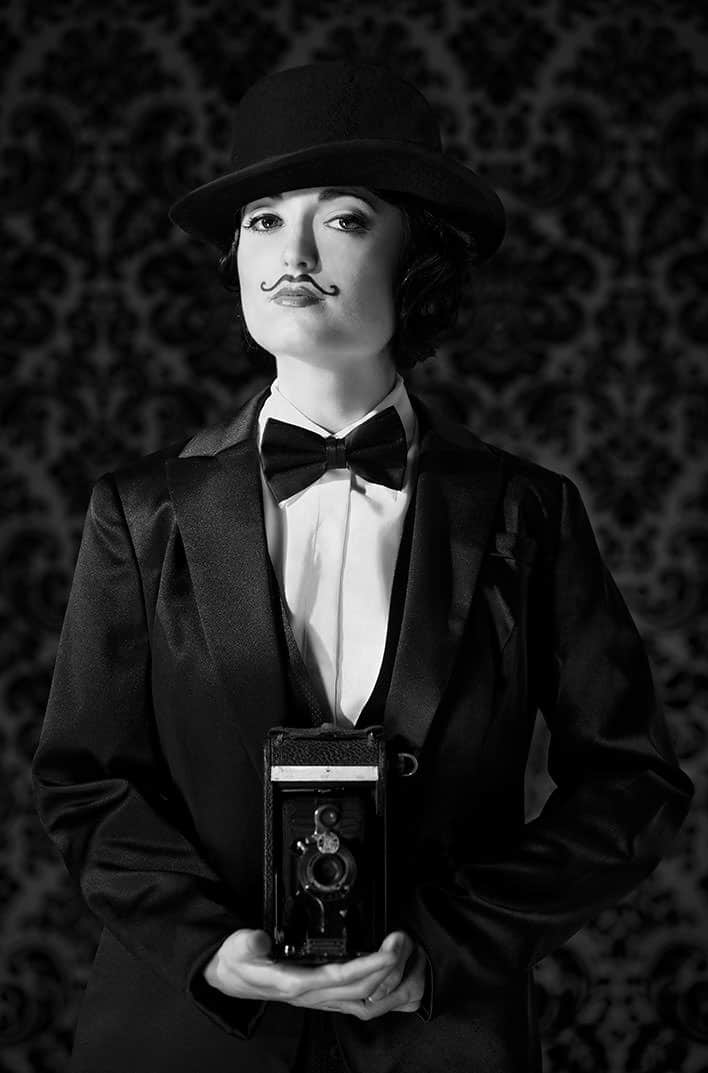
Cinematic Portraits by Pete WrightIf you think of glamor and Hollywood these days, you might think of Annie Leibovitz and you wouldn't be wrong. But for Pete Wright, almost all of us portrait photographers need to tip our hat to Mr. Hurrell who was a pioneer in cinematic portraits.

Yet, Pete Wright has his own spin on the genre of cinematic portraits. He essentially wrote the book on the topic.

From Goodreads:

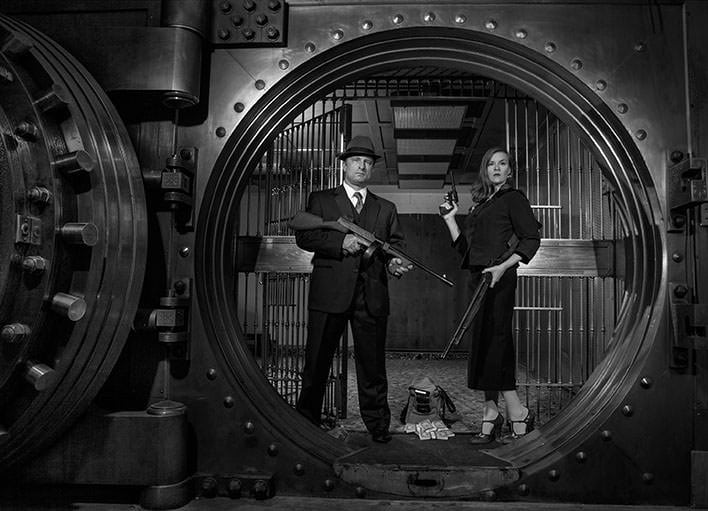
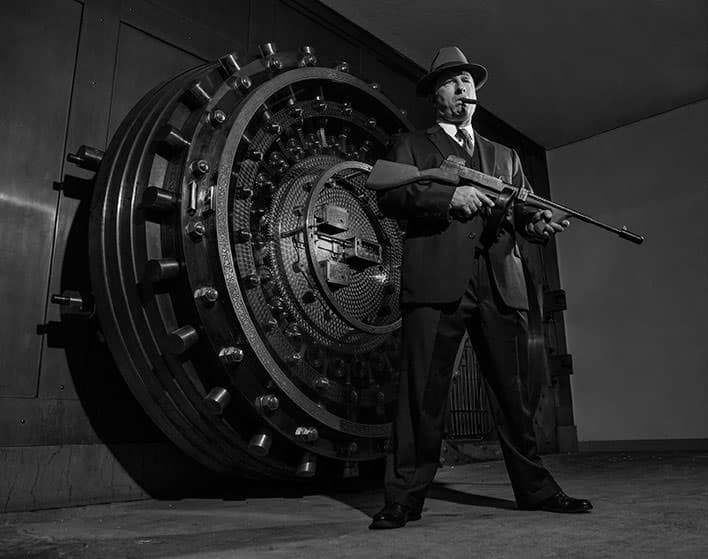
Pete Wright teaches you how to re-create mysterious, dark, and glamorous cinematic portraits reminiscent of those taken of 1920s’ and 1930s’ stars and starlets. The book contains 60 discrete sections which contain 60 of Wright’s most impressive, nostalgic black & white portraits, along with some alternate poses and lighting diagrams. In each section, the author details the steps taken to create the final portrait.

The Interview About Cinematic Portraits

When I found out that he was going to be presenting a workshop for CTPPA members on June 22nd, we hastily made arrangements to speak about cinematic portraits, his connection to Canon and how he is now on the road for most of the year bringing photographers full circle – teaching them about capture, processing and printing their artwork.

It's quite a mission and I applaud him and Canon for it. If you are in or near Connecticut on June 22nd and June 23rd, register for the workshop and do NOT miss this opportunity to learn from a master craftsman.

Pete Wright's Portfolio

Please visit Pete Wright's website for even more examples of his cinematic portraits. Here is a small sample for your viewing pleasure!

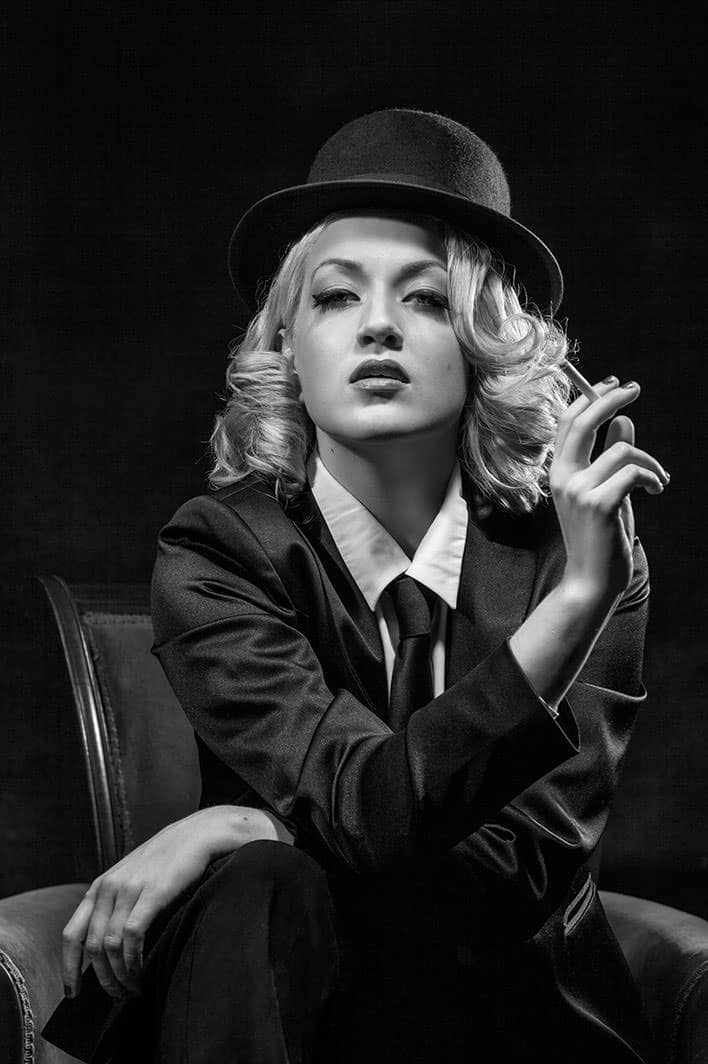
Pete Wright, Cinematic Portraits

Pete Wright, Cinematic Portraits

Pete Wright, Cinematic Portraits

Pete Wright, Cinematic Portraits

Canon Cameras & Lenses

Pete Wright, Cinematic Portraits

Pete Wright, Cinematic Portraits

Pete Wright, Cinematic Portraits

Pete Wright, Cinematic Portraits

Pete Wright, Cinematic Portraits

Pete Wright, Cinematic Portraits

Pete Wright, Cinematic Portraits

Register For the CTPPA Workshop

Buy The ELB400On June 22nd and June 23rd, you can learn the skills to create your own version of cinematic portraits. But you must register today!

In addition to Canon's sponsorship of Pete's presentation over the two days, we have to thank Elinchrom for making their studio strobe equipment available to participants.

If you have any questions for Pete Wright about cinematic portraits, please comment below.
Filed Under: Featured Post of the Day!, Interviews, Photography, Portraits Tagged With: black and white, canon, Elinchrom lighting, fashion, George Hurrell, glamor, Lighting, Pete Wright, Photographers, Photography, Portraits, printing, style

A Perspective On Photo Book And Album Manufacturing

January 12, 2012 by Dhiraj Kacker

This guest post is by Dr. Dhiraj Kacker, CEO and co-founder of Canvera, an online digital photography company based in Bangalore, India. Dhiraj has numerous patents and publications to his name in the field of Digital Imaging. Dhiraj can be found online on twitter, his company blog or his personal blog.

With the advent of digital photography and the simultaneous rise of the Internet the entire photography landscape has been revamped in the last decade. This audience knows these changes quite well so I won’t dwell on all of them but rather I’ll focus my post on the technology and craft that goes behind a product that was spawned by this revolution: Photo Books.

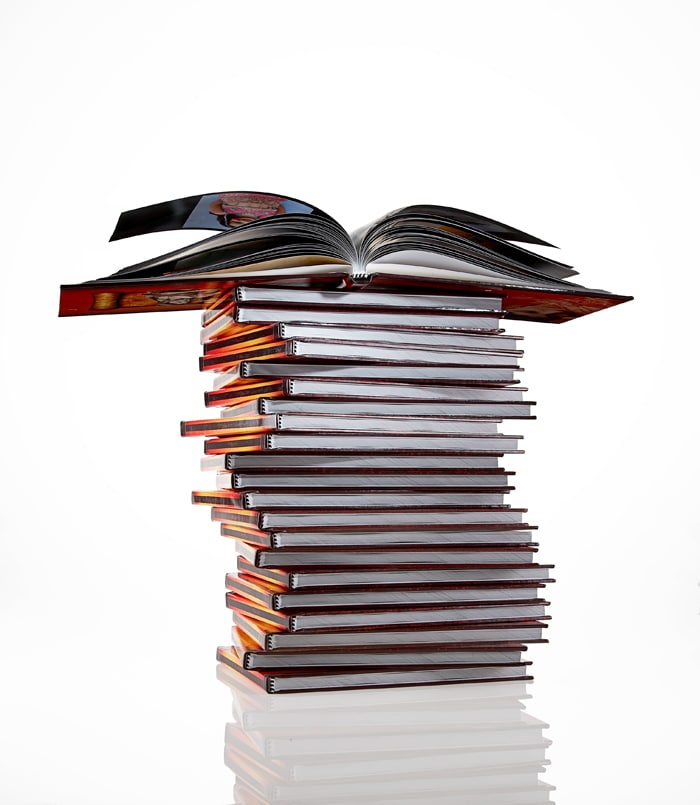
I don’t know how many people actually sit back and think about it but it is quite remarkable that today we can actually get a single copy of a book printed at a reasonable price and turned around fairly fast. In the traditional book publishing world the economics just would not make sense unless there were at least say a 1000 copies of a book to be printed. There are many services that provide the ability to print one-off books:

a) Consumer grade photo books by companies such as Shutterfly, Snapfish, Kodakgallery

b) Self publishing service providers such as Blurb, Amazon etc. that focus on generic publishing not just photo content

c) High-end photobook and album manufacturers such as Graphistudio, Asuka, Queensberry etc. that provide a much richer variety in covers, papers, finishing and other customizations. These are the favorites with professional photographers because they best showcase the work of a pro.

Canvera falls in the last category and we have slowly but surely added more and more options as we engaged with more photographers and understood their needs. There is however a constant tension between how many options we can offer versus producing a high quality output and keeping fast turnaround times. What makes this difficult is that there are many different pieces that have to come together in an exact sequence without requiring any one person or set of people to keep track.

Take for example a flush mount book with a custom cover and a personalized box with pictures. The inside of the book is printed on a silver halide machine and bound. The cover and the box wrap are printed on a wide-format printer (in Canvera’s case). The cover goes for separate finishing and then through barcodes is matched at a separate station with the book block and then bound together. The same happens with the custom box. Now there are complications in the process: the silver halide printer and wide-format printer have to be producing the same colors at all times, we can’t afford to have anyone trying to match colors on a book by book basis; individual sheets may have to get re-printed for a variety of reasons; QA may reject the finishing of one of the pieces and that may have to get re-done and matched back with the remaining finished pieces.

Canvera Albums

None of this is possible to do at scale without significant automation and technology. But adding options brings with it significant complexity as well. Even seemingly simple things such as adding more cover varieties, paper types or hot foil stamping fonts requires us to think through the full workflow: what equipment do we need, where will the raw materials be available on the production floor, how will quality analysis happen etc. We keep trying to push the envelope in adding choices (and at times have gotten burned!) but it is a balancing act.

At Canvera our driving philosophy behind everything we do is as follows:

a) 80% of what makes a good photo book or album is the photography! No matter how many digital photography touch-up tools have been created and how many effects one can do, the pressure on a pro to produce great pictures is as high as ever. In fact I’d argue that with an explosion in images fueled by the web and multitude of capture devices, consumers have subconsciously developed a greater appreciation of what makes a good picture.

b) Fast turnaround time matters a lot. Take the case of wedding photography: For the bride and groom 90% perfect pictures and album received within 10-15 days of the occasion are much more valuable than the absolute perfect set received 6 months after the event. At Canvera therefore, once we get an order we try to put it in the mail within 48 hrs.

c) Quality of printed products should be high and predictable. It is not good enough that the samples are great, but every single product produced every single time without requiring any special treatment should be produced at high quality.

With these driving principles, we focus more on turn-around-time and end-to-end workflow to ensure speed and quality while hopefully letting the photography do most of the talking. This does not mean that we don’t keep adding options, but we do try and think through the full implications first.

Here are things for you to consider when choosing a photo book or album company (beyond of course liking the samples):

1) What kind of front end tools (web or client based) do they provide to capture the order correctly? If there is complexity of choices in the order that the front end tools are not capturing and you are sending instructions over email/phone, chances are that mistakes will happen..

2) As the company grows, do they have processes in place to maintain their turn-around-times and quality at high volumes or are they better off as a low volume hand-made producer?

3) Do the variety of options on the books and albums lend themselves to more mistakes? Is the company ready to handle that much complexity?

4) What kind of color consistency is there in their production work flow?

Canvera Albums

As I said earlier, at Canvera we are taking the approach that first and foremost the photographs should do the talking. That’s key. And we as the photo book and album manufacturers should get out of the way by quickly turning around a high quality product with the right colors morning, evening or night, even if it means in the short term compromising a little on the variety we offer.

What do you think? How do you pick your photo book and album company? Do you agree/disagree with this thinking?

Filed Under: Album Design, Photography Tagged With: Album, album company, album manufacturer, book, book printing, books, canvera, ceo, digital photography, eastman kodak, manufacturing, mass media, perspective, photo, photo book, photo books, photobook, photograph, photograph album, Photography, printer, printing, publishing

A Review Of Acrylic Print Panels From Pictage

October 24, 2011 by Seshu | Editor & Publisher

Let me start with two very public disclosures – 1) I received a 24×36 Acrylic print of one of my own images from Pictage to help in this review and 2) I simply love it.

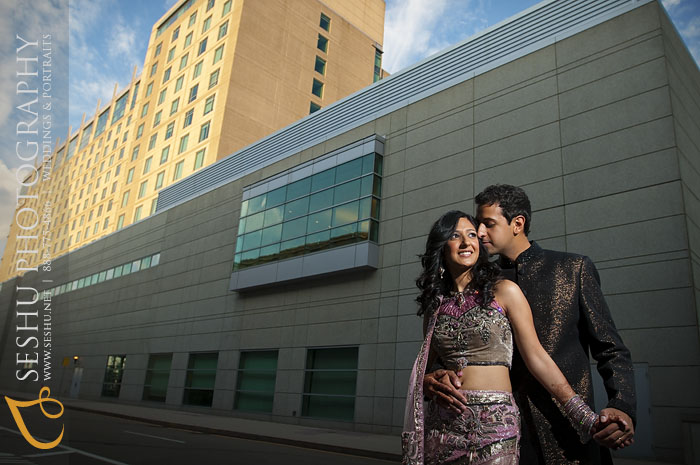
Here is the image I submitted to Pictage (I shot this at The Westin Boston Waterfront, when I worked with Nabil Kapasi):

Indian Wedding At The Westin In Boston

I am sure you are wondering why I feel so passionately about this one product. I recall hearing a photographer at Mystic Seminars say that if you want to stand out in the crowd, you've got to offer unique products to your clients. Well, let me tell you, these Acrylic prints will definitely be something I offer to my clients moving forward because the sample I received is STUNNING.

The combination of extremely clear and flawless elements and ultra smooth (transparent) finish sets these materials apart from more common Acrylic materials. The material, I am told, is extremely hard and is therefore difficult to scratch. (but not impossible). The edges are flame polished (melted if you will), to a smooth, safe, finish. It may take some knocks but why experiment, eh?

From Pictage's CEO, Jim Collins:

“The print affixed to the acrylic panel is not a silver halide photographic print. It is a giclee’ print quite similar to a fine art print. (just on different paper). As you are probably already aware, this process yields a print that carries intense colors, blacks and contrasts and this is responsible for some of the increase in detail that you can see in the print.

The acrylic serves two purposes. I guess you could say it’s not just a pretty face. The first purpose is obvious. Sex appeal. This is a very cool way to package a keepsake.  The second purpose may also be obvious to photographers, but I’m finding that this isn’t necessarily the case. In much the same fashion as a glass globe intensifies the output of a candle the acrylic actually intensifies the brightness of the print. The clear surface gathers light. This is one of the reasons why you really can’t take your eyes off of your new acrylic. That effect almost makes you want to study every detail in greater degrees.”  

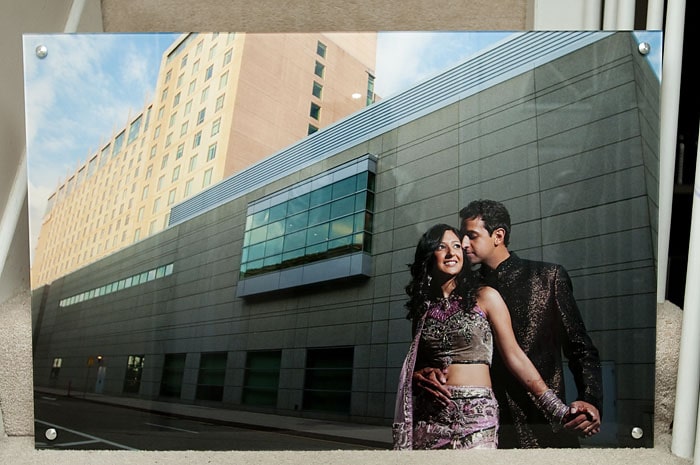
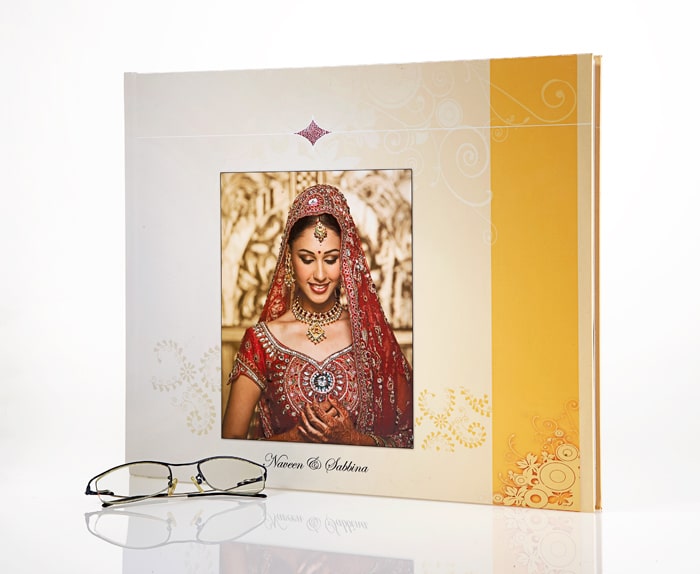
Pictage Acrylic Panel Sample - Indian Wedding At The Westin Boston Waterfront

No doubt this is a premium product and it comes at what I would consider a very respectable wholesale starting price that Pictage has brokered for wedding and portrait photographers.

Acrylic pricing for photographers starts at $84.50 for a 12X18 (the smallest available size), and climbs to about $750 for a 40X60. Interestingly, due to the giclee’ process, images can be printed at significantly larger sizes than traditional photographic prints, so stunning clarity even at Wall Covering size is possible. This will be evident in the two 40X60 panels Pictage will have on display at PartnerCon. Square and panorama formats will also available.

Photographers interested in these Acrylic prints will have to become a member of Pictage.

These prints become available first to photographers via their wholesale catalogs and Direct Order Tool or DOT, and then to consumers via photographer opt in. Most photographers who have an account with Pictage would do well to offer these prints to their clients because I know they will love them.

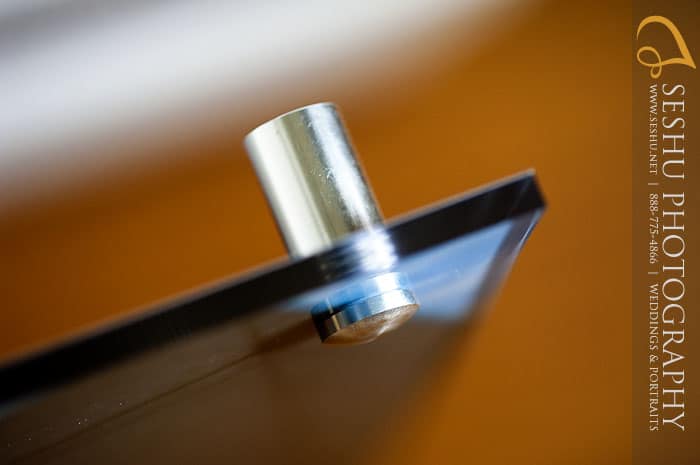
The Acrylic panel I received has a “museum” or “gallery” mount, with aluminum studs. See the image below. The other hanging option will be a recessed standout frame. Personally, I prefer the museum mount due to its look and feel.

Acrylic Panel By Pictage - Museum Mount

I was going to post a video review of this product, including clips of me opening the box and picking my jaw off the ground when I saw how beautiful this print looks. I can't wait to install it on my home studio wall and show it off to my wedding clients. The Acrylic panel print from Pictage will complement my other product offerings like hand-made albums and museum quality canvases from the finest vendors in the world. And Pictage, I am told has other very interesting products launching soon. So, stay tuned and hopefully I'll get to review them as well!

Tell me below what marquee product or service you offer to stand out in the crowd? Has it helped your business? How?

Filed Under: Marketing, Photography Tagged With: acrylic, acrylic materials, acrylic panels, canvas, fine art prints, giclee printing, indian wedding, panels, photographic printing, pictage, print, printed panel, printing, printmaking, review, san diego, visual arts

How To Find Your Perfect Photography Printing Lab?

October 21, 2010 by Guest

Ingrid Spangler, AvatarThis is a guest post by Ingrid Spangler. Ingrid has been involved with photo sharing and social media (before it was called social media), with an account on Flickr going back to 2004, and before that was active on Fotolog and Fotola for two years. She has been with AdoramaPix for over 3 years, and is responsible for all the social media, as well as copywriting, promotions and marketing. She has been an avid photographer from the time she was a child, and studied film at Temple University in Philadelphia, where she learned to shoot on a Bolex 16mm movie camera as well as studying film theory and visual aesthetics. Some of her favorite all-time photographers are Lee Friedlander, Robert Frank, and Harry Callahan. Currently, Ingrid says, “I'm just crazy over Matt Eich and Noah Kalina. I'm lucky that in my job I get to see lots of photographs and I'm constantly inspired by the work I see rolling out of our printers everyday.”

Choosing an online lab for your print fulfillment can be overwhelming. There are a lot of labs out there, how do you wade through all the choices and find the right lab for your clients' images?

Start by asking what is most important to YOU. Is it price? Is it quality? Is it a wide selection of products? Is it having access to knowledgeable customer service?

Of course I'm sure you've answered that ALL these things are important. You want the highest quality materials and print quality at the best price. You want to be sure that you have access to someone who has the power to make things right if there is ever an issue with an order. Is it possible to get everything you want in one lab?

Store and More

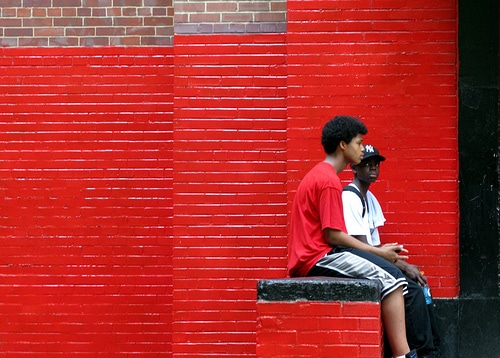
Red Boy, by Ingrid Spangler

Let's start with the order process and the website's ease of use. I'd look for a lab with plenty of storage for your images and the ability to share links directly back to your images. This is important because you want to be able to maintain your images for as long as your clients are going to want to order copies. This could be indefinitely! Lots of clients may come back a year or more after a wedding or portrait session to reorder prints for themselves or as gifts; you won't make a sale if their images have expired and/or are no longer available.

Try Before You Buy

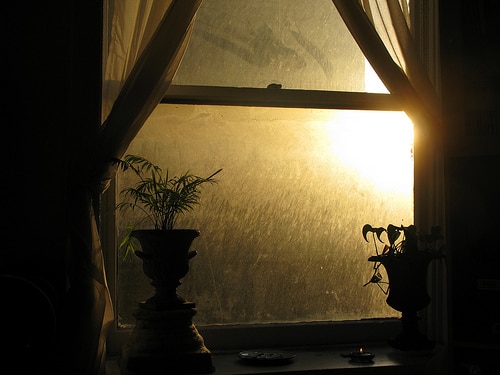
Window, by Ingrid Spangler

Does the lab offer test prints? This is important for a couple reasons. First, it allows you to experience the order process, if it's difficult or not user-friendly, now is the time to find out, not when you have sweaty palms and a deadline looming. Test prints will also allow you to gauge turnaround time and how well your potential lab keeps you informed of your order's progress. Do they let you know when your order has shipped? Do they provide tracking numbers, if applicable? Do they let you know in a timely manner if there is a problem with your order?

Your test order should also give you the chance to try out the various papers and processing options that the lab offers; compare what a glossy print versus a matte print looks like. Do they offer color corrections and how do those affect your images?

Will or can the lab print your studio name or copyright information on the back of the prints? How does this show up?

Control

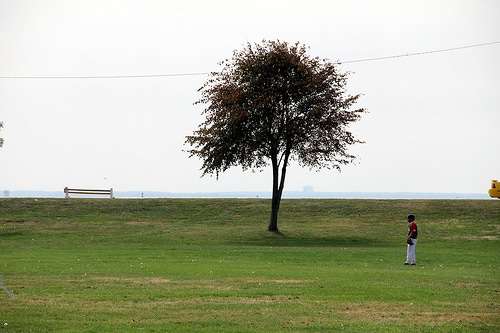
Tree and Baseball, by Ingrid Spangler

It's not just a Janet Jackson song. What kind of control does the lab give you over your images?

Cropping

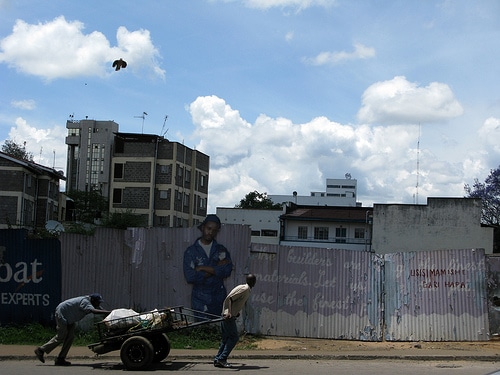
Nairobi Cart, by Ingrid Spangler

As you know, digital images are often in different proportion than many traditional print sizes. If the aspect ratio of the image file does not match that of the print size chosen, how does the lab deal with this discrepancy? Ideally, you should be able to control the cropping, if necessary, or at the very least see how the lab will print the images.

ICC Profiles

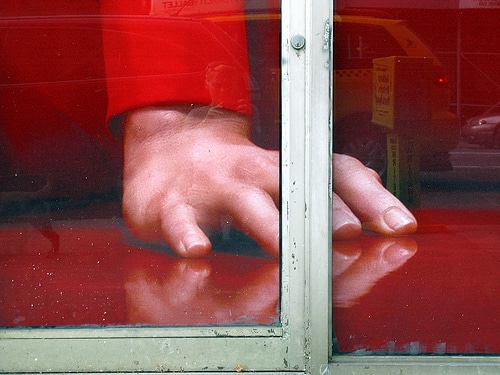
Red Hand In Window, by Ingrid Spangler

Does the lab offer ICC profiles? With a properly calibrated monitor, profiles allow you to soft-proof your photos and see your images the way the lab will print them. Profiles (along with a calibrated monitor) are the key component in maintaining the most control over color and what your final printed images will look like.

Auxillary Products

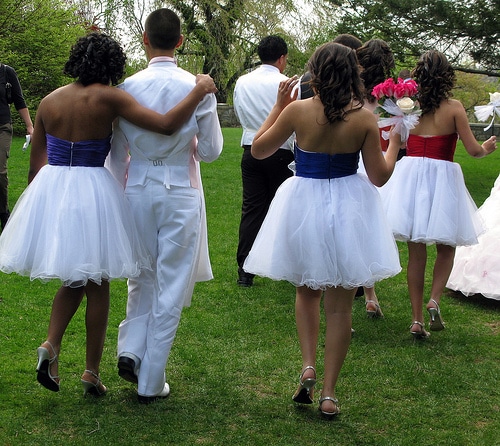
Sweet 16, by Ingrid Spangler

Can you do one stop shopping for prints, photobooks, canvases, etc?

Quality

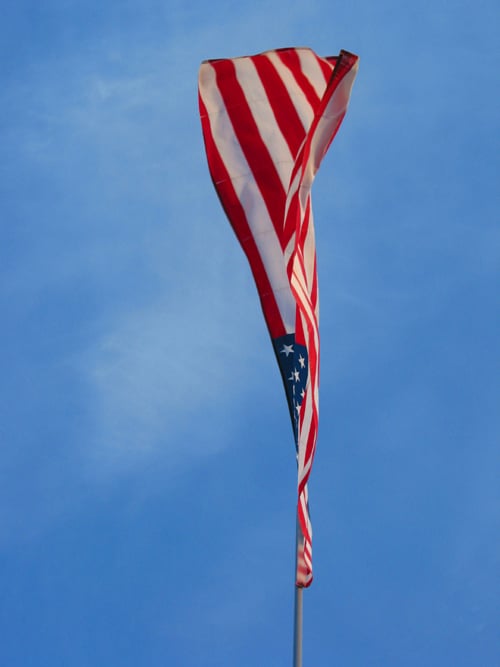
Nathan's Flag, by Ingrid Spangler

This is probably the most important thing to look for when shopping for a lab. What good are all these other options without quality materials and quality personnel producing your prints?

Are you familiar with the reputation of whatever brand of materials are used? If not, do you like the way the prints look and feel? Is there a good choice of different kinds of papers for different types of images? Do they print in-house or outsource? Is there some kind of quality control in place?

How is your potential lab's customer service structured? Can you get to a living, breathing person on the phone (or instant messenger, live chat, etc.) if you need to? If you have a question or if there is an issue with your order, how is it handled? Are the customer service agents knowledgeable? Ideally, they should work in the lab (not be outsourced), understand the workflow and know the products offered inside and out.

The bottom line is that your reputation is only as good as your photography and people will judge your photography mostly by the prints they see.

Your clients will see your images for a short time online or in print when they see proofs, but they'll live with them for a much longer time. Make sure they have good thoughts about you whenever they look at their prints by choosing a lab that does justice to your photography!

Get $10 in print credits when you sign up with AdoramaPix – http://www.adoramapix.com

Filed Under: Photo Biz, Photo Books, Photo Technology, Photography Tagged With: adorama, how to find, ingrid, ingrid spangler, lab prints, labs, online labs, photo sharing, Photography, photography lab, photography prints, print quality, printing, prints your pictures, spangler, to find your perfect photography printing lab

Subscribe To Tiffibox Treats!

Looking for a well-curated email newsletter that will leave you inspired and motivated about your photography business? Sign up below!

About Seshu

Seshu creates relaxed portraits of families and high school seniors in Avon, Connecticut. He also leads a successful headshot photography studio in Connecticut, helping professionals from a variety of disciplines project the very best versions of themselves. He created Tiffinbox as a way of inspiring photographers, to create better images and successful businesses. [Read More]

Email Templates For Headshot Photographers

Email Templates for Headshot Photographers

Recent Posts

  • How Capture One Changed My Event Photography
  • 10 Steps To Stay Positive In Times Of Great Stress
  • Why You Need To Read “Personal Branding For Photographers” Now
  • How To Master Your Website Content Step By Step?
  • Tony Taafe’s TNT Method For Headshot Photographers

Recent Comments

  • Stephen Davison on Are You A Business Owner Who Is Smart, But Stuck?
  • Ben A. on Don Giannatti Clinches The 8th Annual Tiffinbox Award
  • Dan on Don Giannatti Clinches The 8th Annual Tiffinbox Award
  • Donald Giannatti on Don Giannatti Clinches The 8th Annual Tiffinbox Award
  • Stephen Davison on G.E. Masana’s 6 Strategies For Wedding Photography Success
  • Naveen Kumar on Weddings In India Are More Than Being At The Right Place And At The Right Time
  • kartick on Weddings In India Are More Than Being At The Right Place And At The Right Time
  • Leonid Farbman on 6 Uncommon Trends To Grow Your Photography Business
  • Willow and Finch Wedding Photography on 11 Reception Tips To Help Your Wedding Photography
  • Web Designer Malaysia on How To Optimize Your Squarespace Website For Search Engines
  • Creastan on An Interview With Photojournalist G.M.B. Akash
  • Cindy Brown | Atlanta on An Open Letter To A Local Photographer

Become a Patron!

Copyright © 2026 · Tiffinbox · Site Design by Heather Mackan Creative · Built on Genesis