• Photography
  • Interviews
  • Business
  • Reviews

Tiffinbox

Inspiring Photographers

  • Home
  • About
  • Blog
  • Contact

Finding Your Butterflies … Again!

March 16, 2012 by Amanda Reseburg

Amanda Reseburg is a wedding and portrait photographer from Beloit, WI. When she's not photographing for clients she's hanging out with her kids, shooting for fun and blogging incessantly. In the spirit of personal passions, Amanda started Kindred Spirits Hospice Photography in 2009. Follow her on Facebook and on Twitter.

Starting a career in photography is a lot like dating.

In the beginning, the passion is ignited and you want to be with photography ALL. THE. TIME. Your camera is your constant companion and you will photograph anything that moves. You love photography. Photography loves you. It gives you butterflies. You will be together forever.

As you become more serious with photography, you begin to settle into a typical routine. Sure, you still love photography, but the passion has waned a bit. You have regular clients. Regular shoots. Regular poses. It’s all very comfortable. All very regular.

There may come a time when you become SO comfortable with your long-term love Photography that you start to hate the very sight of it. Everything your camera does starts to bug you and you just want some time to THINK … ok, maybe not … but, much like dating, if you don’t feed your relationship with photography … it will die. Those butterflies you felt in the beginning will go away, and what you’ll be left with is a JOB. Yes, I maintain that even at its most hectic I have the best job in the world. But, that doesn’t mean my passion for the craft couldn’t use a little pick-me-up.

Enter personal projects. Diving into personal work is a way to not only practice newly learned skills, but it’s the best way to really enjoy your craft again. With personal work, the rules fade away for the most part. You are shooting for yourself and yourself only. There are no clients to please and no deadlines to meet.

Last summer I started a personal project based on my love of turn-of-the-century children’s portraiture. I wanted to tap into what I call the natural “creepiness” of kids. It was a departure from what my portrait clients typically ask for, but it was FOR me, no one else. The project morphed into what people started calling “Creepy Kids.” It was met with mixed reviews. Some people LOVED the darker take on children’s portraits. Some people thought I had made the precious children look dead or evil. But, I was satisfied in the end that I had created something that I liked and in the process learned something new about my aesthetic.

[blogshow id=9ca3 player=1 autoplay=0 toolbar=1]

Tapping into a darker, moodier feel to my portraits changed my outlook on my regular client-based work. In that sense, stepping outside of my “9-to-5” to shoot just for me really changed my work as a whole. I could have continued shooting what easily sells, but I wonder how long I could continue to do that before I reached maximum burnout.

I challenge all working photographers to take time out to shoot for you. Reclaim your passion, embrace what others may find strange, and find those butterflies again.

Are you working on a personal project that you would like to share with other photographers? Tiffinbox welcomes your submission. Simply contact me if you are interested in guest blogging.

Filed Under: Call To Action, Photography Tagged With: amanda reseburg, avoiding burnout, beloit, butterflies, fashion photographers, finding, human interest, personal, personal photo, personal photos, personal projects, photographer, Photography, portrait photographers, projects, pursue, Twitter, visual arts

Professional Photography Is Dead. Long Live Professional Photography!

March 14, 2012 by Dhiraj Kacker

This is Dr. Dhiraj Kacker's second guest blog post here. Read his first post on album manufacturing too. He is the CEO and co-founder of Canvera, an online digital photography company based in Bangalore, India. Dhiraj can be found online on Twitter, his company blog or his personal blog.

This post has been on my mind for a long time as I think a lot about the changing role of pro-photographers in the digital age. But in some ways I got beaten to the punch by a much more spunkier take on the issue by Allen Murabayash, CEO of Photoshelter, on his blog post “Rant: I Love Photography”. Please go read it. My post here will be much more sedate and boring! With that warning, let’s dive into it.

I have much more insight into the market where pros get hired for personal or corporate events (such as weddings, portraits, bar/bat mitzvahs, etc) so I will focus on that and not on commercial, editorial and stock photography which has its own set of dynamics in the digital world.

What do we all hear and say everyday: DSLRs are getting cheap, everyone has a camera, it’s getting tougher to earn a living being a pro! A lot of it is true. Digital Photography combined with the internet and cheaper and cheaper capture devices have made it simpler for all and sundry to take and share images like never before. Unshackled from the physical limitations of film and the cost of taking each picture everyone today can pretend to have some proficiency in photography. There are weekend wedding photographers who are taking business away from full time pros just based on price. There are pro-sumers who are building online galleries, showcasing their work and in fact selling their work.

But here’s the funny thing:

– For the first time in the history of pro-photography we have celebrity wedding photographers! Celebrity status was limited to fashion and editorial photographers, never to wedding photographers. How did this happen?

– Family portraits on the wall look like model shoots today, not just people saying cheese into a camera and accepting whatever came out. Perfect lighting, perfect smile are must!

– Corporate mug shots make management look like celebrities and anything lower quality doesn’t speak well of the company

– I am hearing more and more that right after a wedding date is fixed the first or second service provider that gets booked is the photographer; this used to be an afterthought

– Senior shoots are blurring the line between model portfolios and what was considered just pictures of the teenage years

– Parents want their kids’ sports pictures to look like shots from pro sports

– Never before have engagements & boudoir shoots been taking place in such large numbers. The smart photographers have also created the “trash the dress shoot” as well!

I don’t believe any of this was common a decade ago.

Dhijar Khacker | Pinterest Home Page

So what’s really going on? Let me talk a little from my personal experience. I had a run of the mill point and shoot film camera in the 90s and in 2000 bought my first 3MP digital camera – an Olympus 3000 for a $1000 (yes, a thousand bucks for a 3MP P&S camera). I remember the excitement of getting pictures back in the film world and just being able to relive those memories was amazing. At the time the pictures looked great but today, they look mediocre (and I am being generous). Too much sharpening, probably done by the minilab and too much contrast because of the film I bought. And of course I had no eye for composition or lighting. Initially I really liked my P&S digital camera – it was quite simply the excitement of digital. But my appreciation of photography kept going up and at some point that quality was just not good enough.

After my first kid was born, I finally invested in an SLR and for a few years managed with the default lens. And then I got fancier with the lens. It is safe to say that today with two young kids I shoot a lot of pictures, but here’s the kicker: unlike in the film world where I did not know any better, I can immediately tell how many decent shots I got. It takes me possibly 100 shots to get one really good one! I don’t have an eye for light or composition, and I rely on sheer volume to get lucky. So much so that on a recent birthday party I did the unthinkable: I called up a pro friend of mine to hire him to take pictures. By playing around a lot I have come to realize just how difficult it is to consistently take good shots. It is kind of like playing sports and developing a greater appreciation for the professional who plays the same sport. Isn’t it true that the omnipresence of little leagues and minors grows the business for the majors?

Here is what is happening: never before have average consumers been exposed to this much high quality imagery – web, mobile, magazines, hoardings, blogs – you name it. The quality of images on Pinterest or Tumblr is just mind blowing. Sub-consciously consumers have developed a greater appreciation for good images. Everything I’ve listed above is happening because of this trend. I believe that today consumers (like me) are experimenting a lot more with photography trying to reproduce the quality they observe. And like me they are coming to appreciate how difficult the art and craft of photography is. So when it comes to important life events (operative words being “important life events”), my prediction is that over the next decade pros will be hired in record numbers. Consumers will be spending in record amounts.

None of this means that things have not changed and pros can simply fall back to what they did in the 90s (which was essentially to build a physical portfolio and get referral business). Like a pro-sportsperson, they have to be savvy business people. I am writing on a photographer’s blog so I know that this audience is aware that from building a brand, to marketing to sales and operations, a pro has to do a lot more; a pro’s life has become lot more complicated. But boy, I don’t think there has ever been a greater appreciation for the art and craft of photography as it is today and I think we are at the start of a golden age of professional photography fueled by the omnipresence of images in our lives.

So, what do YOU think? Pen your thoughts below!

Filed Under: Business, Opinion, Photography Tagged With: camera, dhiraj kacker, digital camera, digital cameras, digital photography, fine art photography, life event, personal blog, photographer, Photographers, Photography, pro photography, professional photographers, stock photography, Wedding Photography

Your Playbook For Simple Wedding Photography

February 16, 2012 by Seshu | Editor & Publisher

I can't say it any more plainly. If you are starting out in wedding photography, or, if you have had some experience but have hit a roadblock in your business, you are going to need Simple Wedding Photography [affiliate link], Photography Concentrate's newest tutorial in a book.

As I read my complimentary review copy, I had to wonder how much better my own business would have been had such a resource been available when I began in this business back in 2000. Size isn't indicative of anything. But at a whopping 200 pages, Simple Wedding Photography is going to be my go-to playbook if I have a questions about the craft or business of wedding photography. I feel so good about recommending this book to you because its value will be felt for years to come.

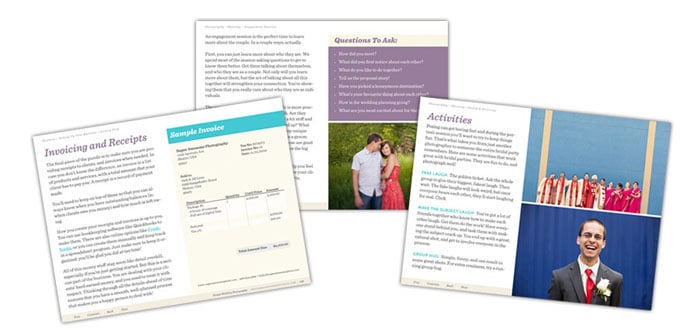
Simple Wedding PhotographyThe book offers two essential parts: photography and business. It's rich in actionable information. That means the book suggests ways in which you can go out and do what it is teaching you. I personally learn from books like this faster than even going to a workshop.

Rob & Lauren Lim of Photography Concentrate are not new to the wedding business. As wedding photographers, they have created enormous value for their clients. This book, Simple Wedding Photography, is essentially a brain dump of sorts. They have pulled their experiences together and written it all out in logical chapters and as a beautifully designed PDF. It's a jargon-free book, that flows smoothly from one concept to the next.

You can get Simple Wedding Photography today at 40% off. Even at its normal price, of $39.95, this is a steal. Learn more about the book and buy it here. It even comes with a 60-day money back guarantee!

The duo has also published a mini-book: 7 Simple Ways to Market Your Wedding Photography Business. This PDF is totally free and makes for a great companion to the book that is on sale today.

If you buy Simple Wedding Photography, you also get these following bonuses:

  • A complete client wedding album design to demonstrate storytelling start to finish
  • We’ll walk you through the sample album with a video screencast commentary
  • Wedding Day Worksheet to make sure you get all the critical information
  • Wedding Prep Checklist so you’re completely prepared for the big day
  • Wedding Day Shot List for a clear look at all the must have images to create
  • Post-Wedding Report Card for easy review and future improvement
  • Brand Identity Worksheet to help figure out the message behind your brand
  • Simple Wedding Photography Book | Photography Concentrate

    Filed Under: Photography, Tutorials, Weddings Tagged With: guide books, photographer, Photographers, Photography, photography books, playbook, simple wedding, Wedding, wedding business, Wedding Photography, wedding photography business

    S&^$ People Say To Photographers

    February 9, 2012 by Seshu | Editor & Publisher

    This YouTube video made me chuckle because people have and still do say these things to me. They perhaps don't mean it or aren't thinking too much about what they are saying. Yeah, probably the latter. Ha!

    Thanks to Sukhi Ghuman for the link through her Twitter feed.

    Filed Under: Photography, Video Tagged With: cameras, comedy, editing, funny, people, Photographers, Photography, photoshop, processing

    A Photographer’s Thoughts On Storytelling And Our Community

    January 26, 2012 by Jerod Foster

    Today's guest post is by Jerod Foster, an editorial and natural history photographer based in Lubbock, Texas. His book, Storytellers: A Photographer's Guide To Developing Themes and Creating Stories With Pictures, was published in 2011. Follow @jerodfoster on Twitter.

    Many thanks to Seshu for providing me the opportunity to guest appear on such a resourceful blog. Once again, the ability to create positive relationships over an ever-growing online community of photographers astounds me.

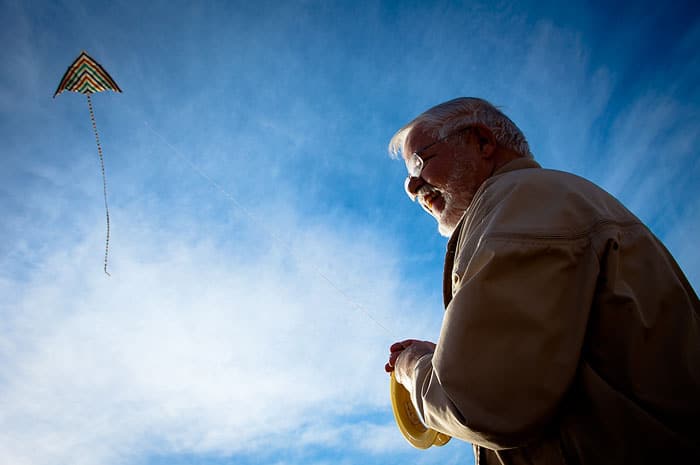
    Man With A Kite |  Jerod Foster

    Speaking of community, if you’re reading this post, there’s no doubt that a good many of you came here via a link posted on Twitter or Facebook, perhaps Google+, your own RSS feed, or a variety of other means of connecting you to, well, here. Word spreads fast in the photography world, especially when that world spans across a very diverse and prolific online community. Needless to say, the photography community, online or not, is large. Very large.

    It’s so large and diverse that it’s often difficult to distinguish who we are at times. Just think about it for a moment. We’re so vast and varietal, and in some cases so niche, that we’ve become enclaves of particular areas of the entire art and craft of photography. At the same time, however, we know we all relate to each other on one level or another, but what?

    A quandary? Perhaps. Maybe we can be a bit deductive in finding out just who we are as a community. Consider this an exercise in getting to the essence of photographers in general.

    Let’s break some of the diversity down by types of photographers, starting with some of the more obvious. A lot of us are wedding, engagement, bridal, and family photographers, established in a particularly special and popular area of photography that have, if you think about it, one of the most important jobs in the world. Others of us are photojournalists, visualizing the life around us for a variety of outlets, including the tried and true newspaper industry, magazine publications, and a boatload of online resources for both traditional and new media content. Still, there are those of us that concentrate solely on the natural world, training our vision and gear on awe-inspiring landscapes and the wildlife that populate such environments. We can’t leave sports shooters of the list, either, since they carry quite a bit of the load for both personal and media audiences (globally, I might add).

    Story is not something new, but it is indeed a constant. It’s what each and every one of us as a community (online or not) has in common.

    Hold up, though. I’m creating a rather clear separation of the types of photographers out there (I also realize the listing is quite truncated). It’s also apparent among the community that not all of us are 100% one type or the other. Many of us that sling a camera over our shoulder do so with just as much commitment to shooting a family as we do the magazine story assignment we picked up last week. I know sports photographers that can shoot a heckuva wedding, and vice versa. Lest we forget, there are specializations upon specializations in the photography field as well, ranging from different styles of portraiture and cultural photography, to underwater shooting, science and medical image making, to fine art forms of the craft. Some of us are primarily focused on publishing in coffee table books and magazines, while most of us will never see the inside of what those that do call the land of the yellow border (although that shouldn’t stop one from trying).

    Finally, but certainly not the least, there are those of us that do not necessarily aspire to be labeled a “type” of photographer, but instead are content and productively happy being generalists and avid shooters. This position is true for many, if not the most, of us, and it includes all levels of photographic achievement/aptitude, from the most basic hobbyist to the amateur wondering if she can earn some side money photographing her neighbors’ children, to the emerging professional right out of university.

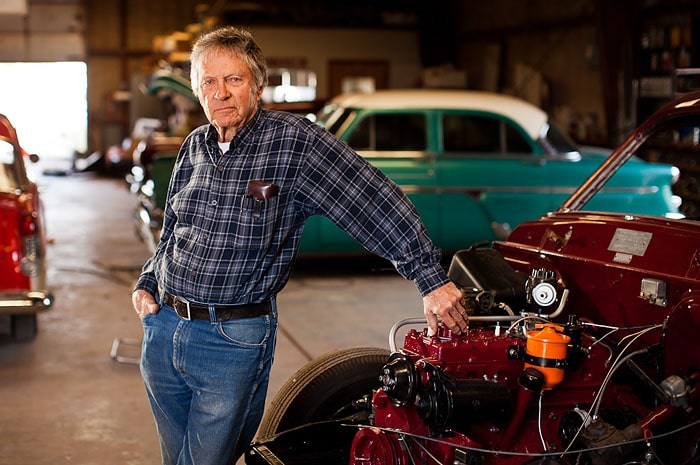
    Man With Classic Cars |  Jerod Foster

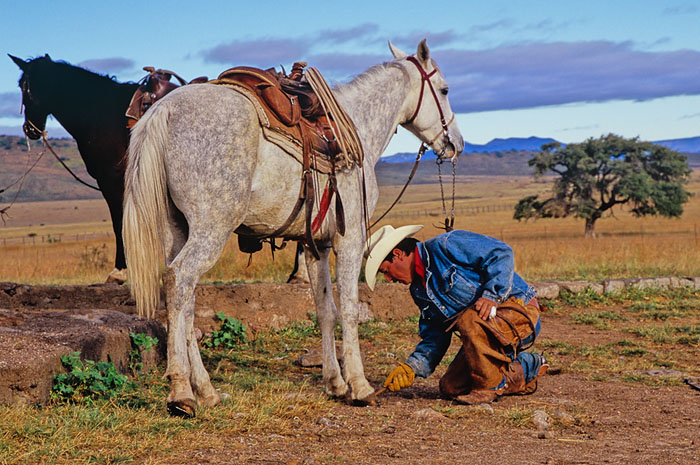
    Cowboy |  Jerod Foster

    So, if the photography community is so diverse, what keeps us together, stumbling upon (if you will) other parts of the industry, different shooters, and strange and interesting sources of visual inspiration? No matter what type of photography you lean toward, the thing that connects each and every one of us is the fact that we’re all telling stories with the images we produce. Story, for that matter, has been a part of what connects us all since the dawn of time! Story and storytelling is what and how we use the information we are continuously consuming to learn and interpret our world. Photography, in this sense, is one of the most important modes of telling story and has been since its commercial inception in the early 19th century.

    I’m going to go out on a limb and say that storytelling is vital to being a photographer. In some ways, it’s our responsibility to tell stories with images. Not in a cliché way either—I believe that we photographers (no matter what level of professional or hobbyist achievement) are a very important part of what keeps this world in tune with itself. Whether you’re shooting a global humanitarian campaign, a national advertisement, or your child’s first birthday, you have something to pass along with your images, and it keeps informing those around you.

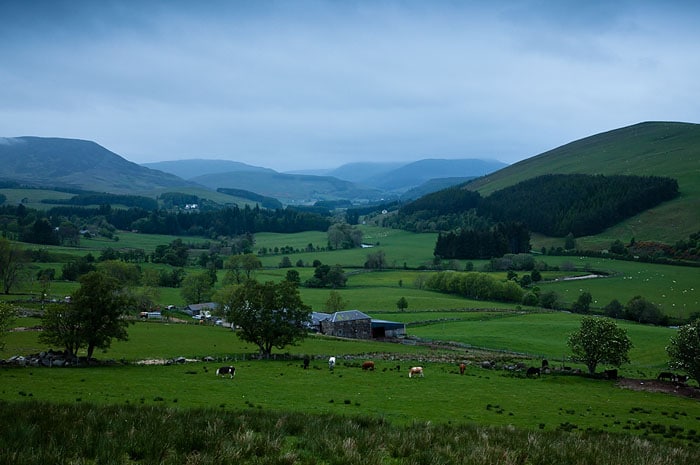
    Countryside Landscape |  Jerod Foster

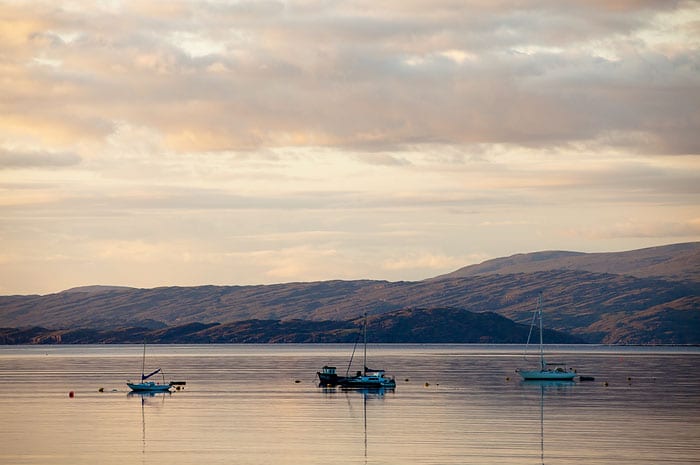
    Boats In The Landscape |  Jerod Foster

    That being said, I also believe that in order to grow as a photographer, we have to tie quite a few things together—things that are discussed quite a bit by the online community I mentioned earlier. Gear, technique, technical aptitude, vision, visual language, style—all are used in order to increase how we see and create compelling images. In addition, and more importantly, each helps us tell stories (they can get in the way as well; a post for another time). Our job is to make sure we’re doing just that. We may improve as photographers, but in essence, we grow as storytellers.

    At its core, photography is meant to tell story. At our core, we are storytellers. Whether you’re just starting out, or you have shot professionally for the past 30 years, whether you’re in the studio or on some exotic location, whether you’re shooting solo or as part of a budgeted production crew, story is the central element of the visuals you produce. Story is not something new, but it is indeed a constant. It’s what each and every one of us as a community (online or not) has in common.

    We are, in essence, a community of visual storytellers.

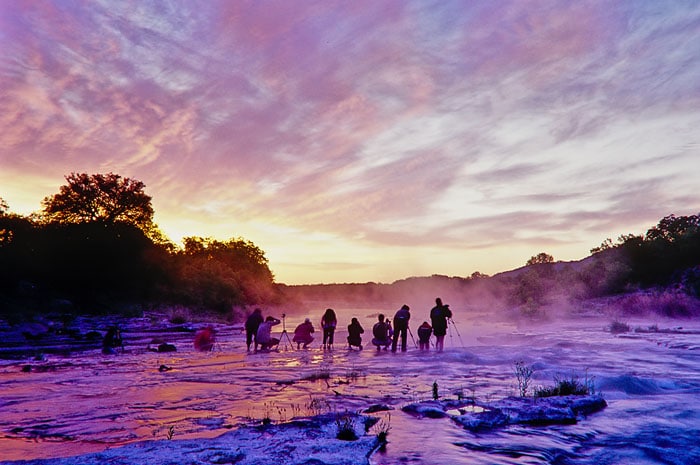
    Nature Photographers |  Jerod Foster

    Filed Under: Photography Tagged With: Community, family photographers, jerod foster, Journalism, mass media, News, online community, photographer, Photography, photography communities, Photojournalism, stock photography, story, storyteller, storytelling, visual journalism

    • « Previous Page
    • 1
    • …
    • 16
    • 17
    • 18
    • 19
    • 20
    • …
    • 34
    • Next Page »

    Subscribe To Tiffibox Treats!

    Looking for a well-curated email newsletter that will leave you inspired and motivated about your photography business? Sign up below!

    About Seshu

    Seshu creates relaxed portraits of families and high school seniors in Avon, Connecticut. He also leads a successful headshot photography studio in Connecticut, helping professionals from a variety of disciplines project the very best versions of themselves. He created Tiffinbox as a way of inspiring photographers, to create better images and successful businesses. [Read More]

    Email Templates For Headshot Photographers

    Email Templates for Headshot Photographers

    Recent Posts

    • How Capture One Changed My Event Photography
    • 10 Steps To Stay Positive In Times Of Great Stress
    • Why You Need To Read “Personal Branding For Photographers” Now
    • How To Master Your Website Content Step By Step?
    • Tony Taafe’s TNT Method For Headshot Photographers

    Recent Comments

    • Stephen Davison on Are You A Business Owner Who Is Smart, But Stuck?
    • Ben A. on Don Giannatti Clinches The 8th Annual Tiffinbox Award
    • Dan on Don Giannatti Clinches The 8th Annual Tiffinbox Award
    • Donald Giannatti on Don Giannatti Clinches The 8th Annual Tiffinbox Award
    • Stephen Davison on G.E. Masana’s 6 Strategies For Wedding Photography Success
    • Naveen Kumar on Weddings In India Are More Than Being At The Right Place And At The Right Time
    • kartick on Weddings In India Are More Than Being At The Right Place And At The Right Time
    • Leonid Farbman on 6 Uncommon Trends To Grow Your Photography Business
    • Willow and Finch Wedding Photography on 11 Reception Tips To Help Your Wedding Photography
    • Web Designer Malaysia on How To Optimize Your Squarespace Website For Search Engines
    • Creastan on An Interview With Photojournalist G.M.B. Akash
    • Cindy Brown | Atlanta on An Open Letter To A Local Photographer

    Become a Patron!

    Copyright © 2026 · Tiffinbox · Site Design by Heather Mackan Creative · Built on Genesis