• Photography
  • Interviews
  • Business
  • Reviews

Tiffinbox

Inspiring Photographers

  • Home
  • About
  • Blog
  • Contact

Why It’s Important To Make Your Words Irresistible

October 30, 2013 by Seshu | Editor & Publisher

Jenika McDavitt's seminal From Portfolio To Profit Engine: How To Build An Absolutely Irresistible Photography Website turned heads and made a slew of photographers reconsider how they were designing their websites, who they were designing it for and why current “templates” were essentially failing at converting your visitors to clients.

If you think of “Irresistible Website” as the container, what should go into it are obviously your irresistible images and your irresistible words. Right?

So you say you are all set with your website. How about your blog? How is your pricing worded?

A few months ago, after I read Jenika's e-book (yep, totally irresistible writing in there) How Clients Make Decisions About Money, I changed the way I presented my pricing and immediately saw positive results. Over the summer, I enrolled in Jenika's first “Persuasive Writing” course and learned, perhaps for the first time, how words and images can be married to each other and live happily ever after on my site.

The new course, Irresistible Words, is essentially an off-shoot of the more expensive offering: “Persuasive Writing.” Why is “Irresistible Words” less expensive you ask? Well, for one, it's a self-study course. “Persuasive Writing” involved more one-on-one hand-holding by Jenika and she could only limit that to a small number of eager students like me. While she will be offering “Persuasive Writing” or a course like that in the future, if you need to get started on your web copy, your blog posts, your pricing verbiage, or anything word related, I highly recommend you jump in before November 6 (when the price is going up) and buy “Irresistible Words” for $119.

If you don't have From Portfolio To Profit Engine: How To Build An Absolutely Irresistible Photography Website, this might be a great time to get both that and Irresistible Words for $249 (by November 6, 2013).

On November 7, the price for each returns to $249. So, buy it now!

If you are revamping your website, this might be just the thing for you. Just beginning in photography, these two products are going to lay the foundation for a truly remarkable career in this business. In fact, I've told Jenika a number of times that I wished I had had access to these resources when I was starting in the photography business some 18 years ago.

Look, it's no accident that Jenika's website Psychology For Photographers ranks so highly for its content. Her website is one of a handful that I read everyday. She practices what she preaches, giving real-life examples and solutions.

In my mind, there is no better resource for photographers that bridges the business of photography to the client experience. Win more clients who are a good fit for you, then you get to stay in business. Trust me, I know.

I chatted with Jenika about Irresistible Words and Irresistible Website and how photographers can use both to restructure their businesses. Check it out below:
Filed Under: Featured Post of the Day!, Photography, Photography Business Tagged With: Business, client experience, irresistible words, Jenika McDavitt, Marketing, Photographers, Photography, Psychology For Photographers

Why A Commercial Photographer Decided To Do More

October 17, 2013 by Pascal Depuhl

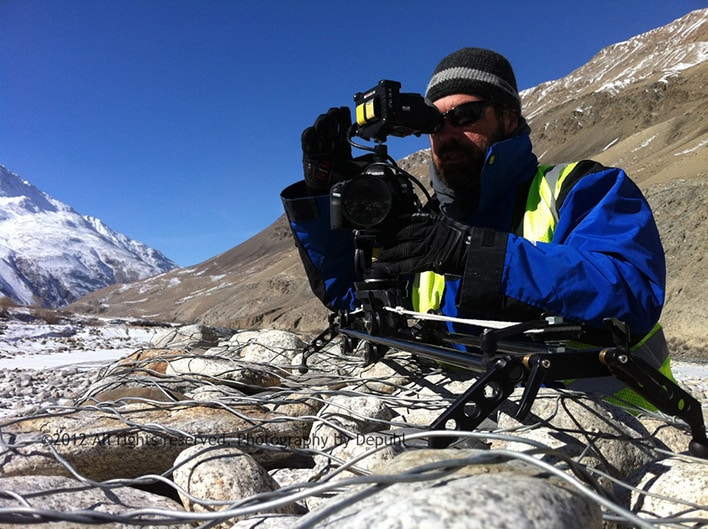
“Why?” That question still rings in my ear, as one of my client told his boss: “Pascal is going to Afghanistan, to film a documentary.”

Since late 2011, I still get that a lot. To be perfectly honest, those who ask “Why?” aren’t that far off – I mean what business does a commercial photographer from Miami have in the mountains of Afghanistan? After all I live at sea level for crying out loud. On top of that I’ve never made a documentary before, come to think of it, I’ve only been producing videos for my clients for six months at that point. Why on earth would I want to do this?

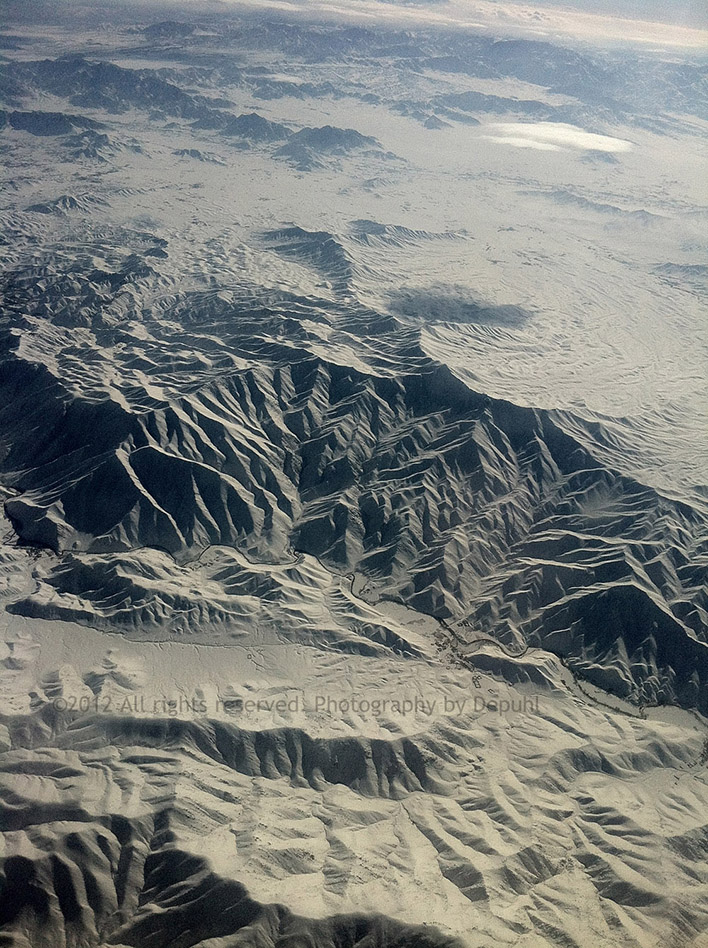
Afghanistan From 30,000 Feet

Why? Well, because I believe I have a gift. No, I’m not special, you do to. We all have and I’m not just talking about photographers. Accountants have a gift for numbers, teachers have a gift for teaching, nurses have a gift for caring. I’m talking about an ability your born with, a God-given gift, that innate talent you did not earn, acquire, purchase, but that you’re just good at. In my case that gift is the ability to communicate visually. Now I’ve honed that skill, trained my eye, learned my craft, but that underlying something is still there and I believe that something requires us to give back.

Please understand, I do that for my kids PTA, my church, local community groups with Pro Bono work, but in the summer of 2011 I had this little voice in my head that told me I should do more with my videos, than just make money – like helping my college buddy let others experience what he does for a living. The only catch: Daniel flies relief work in Afghanistan. For the past 14 years.

Anyway, I hear this little voice say: Do more and immediately I think ‘That’s too dangerous.’ About a week later, same little voice: Do more, like helping Daniel let others experience what he does for a living.

‘Yeah right. I’ve never done something like that before, it’s gonna be to complicated.’ Next week. Same voice. Do more … I’m thinking ‘Too expensive.’ Following week, same voice. Do more. And I think of another excuse, why I should not do this. You get the picture. This literally goes on for a month and a half ‘They don’t need a movie.’ ‘I don’t know how.’ '25 below zero – are you serious?’ ‘Don’t think my equipment can handle that.’ Always that same voice: Do more.

Finally I write an email to Daniel “I have this crazy idea …” (Seriously that’s what I titled the email) fully expecting at the very best a fully qualified maybe as an answer. ‘Maybe, but too dangerous, too complicated, too expensive, too unnecessary, too inexperienced, too cold.’ What I got was “Sure, we’d love to have you. It would be fun. Actually we need a movie, one of our major sponsors requires us to produce videos, so sure. Go ahead put together some numbers and let’s talk.” As I receive Daniel’s answer and read it, I’m thinking more along the lines of “What did I get myself into?” and then I remember: Do More. (Full disclosure they paid for my expenses, my time – that’s the two weeks filming and the year editing the video was pro bono.)

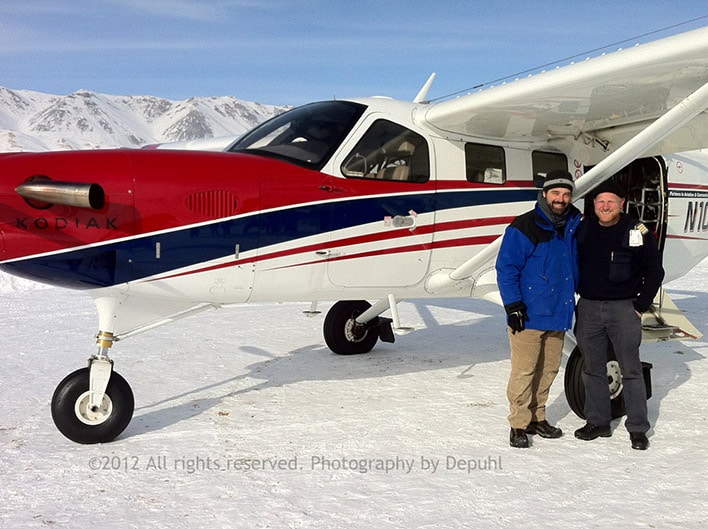
Daniel and Pascal In Lal, Afghanistan

There’s also a second reason I’m thinking of going. First of all I wanted to tell Daniel’s story. Those guys do some amazing work and it deserves to be told. Secondly I see this as a great opportunity for me to learn a new skill. I don’t know about you, but I learn best and fastest under pressure.

And filming in a country like Afghanistan, with it’s impenetrable terrain, extreme weather conditions, with a culture I don’t know and a language I don’t speak; creating a movie that is not scripted or storyboarded, but where you have to find the story as you go, flying around that country in small planes recording air to air from a chase plane, getting dropped off in remote (as in 40 day hike remote) landing strips in the Wakhan corridor and watching your ride take off and disappearing from sight, while you get ready to film take off and landings, kinda qualifies for pressure. Don’t you think?

Pagasus In Kret

To make a long story short, six months after that email, I found myself kneeling on a snow covered runway filming a small plane buzzing four feet over my head in Lal, Afghanistan, situated at 9,200 feet elevation. The temperature was about -25ºC. That was by far my favorite day at work.

Why did I go? To do more. To help others. To learn. To hone my craft. To learn a new skill. Was it worth it? What do you think? How far have you gone to do more? What risk have you taken to honor your gift?

Read more about Pascal's work on his blog.

Filed Under: Featured Post of the Day!, Video Tagged With: A Commercial, Afghanistan, Commercial Photographer, Gift, photograph, Relief Efforts

Dani Diamond’s Mission To Create Amazing Headshot Portraits Of Fellow Photographers

October 16, 2013 by Seshu | Editor & Publisher

Long title, I know.

But you've gotta check out this interview I did with Dani Diamond about his project called, um, The Project.

When I first saw it on Fstoppers, I was hooked. Here is a photographer who goes around photographing his peers in the photography business for free. I am sure you are as curious to know why as I was, right? Well, watch the video below.

Here is how it went down: I found out that Dani lives in Waterbury, Connecticut. That's just about 30 minutes from where I live, so I didn't waste any time in setting up a time to meet up with him. He invited me to his home as the Barnes & Noble bookstore we originally intended to use lacked a quiet spot where we could both sit and chat.

Anyway, in this interview, I ask Dani about The Project; why he started it, what motivates him and what he plans on doing with all these amazing headshot portraits. His responses will bring a smile to your face. I promise you. So, watch the video now.

Dani Diamond's The Project

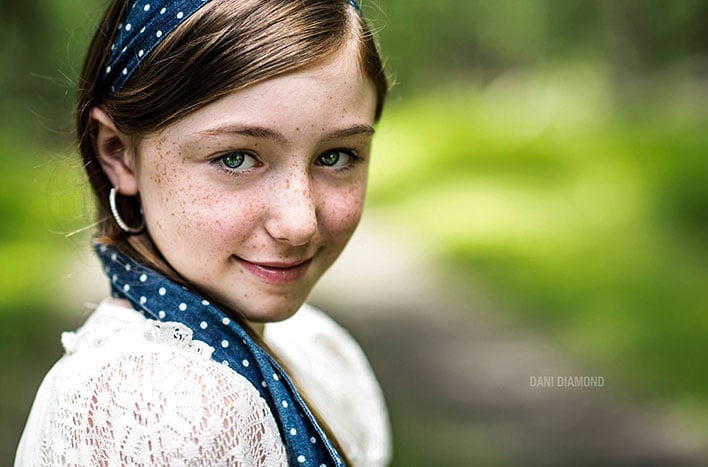
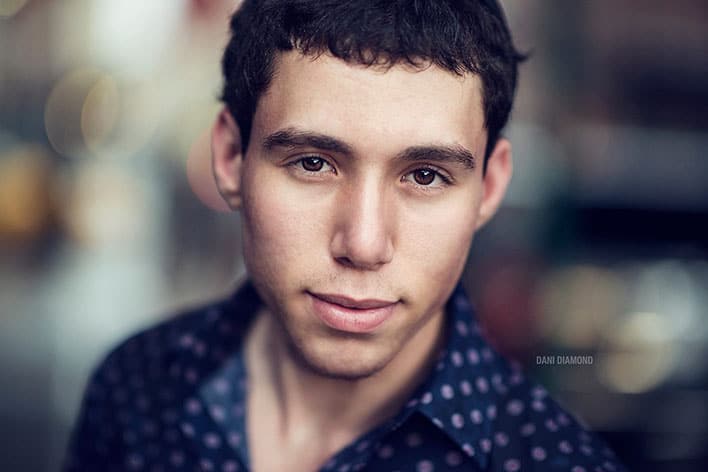
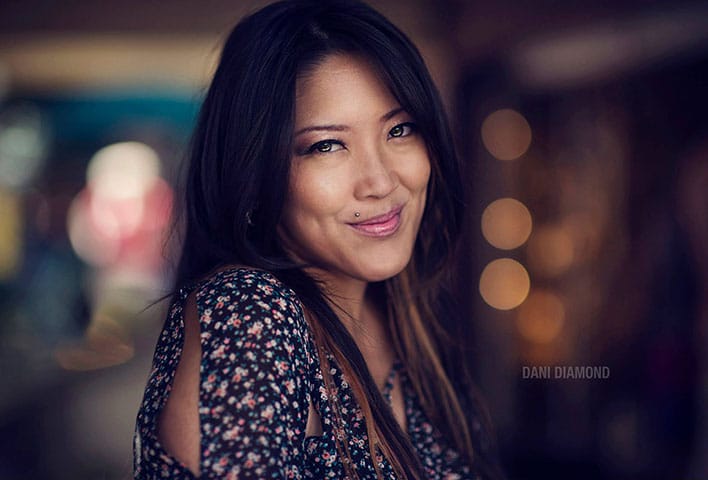
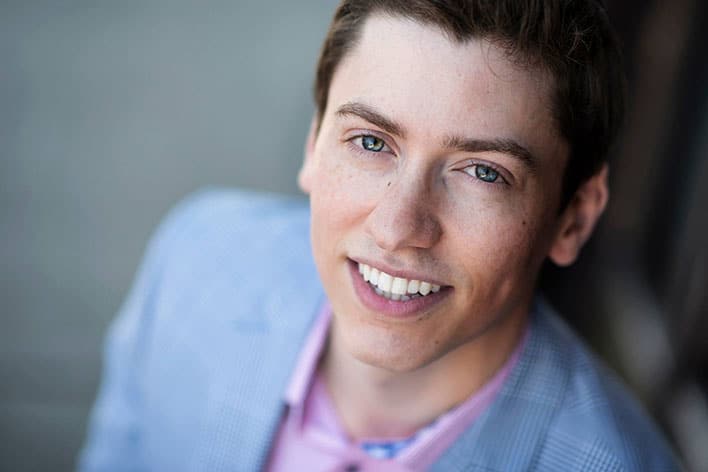
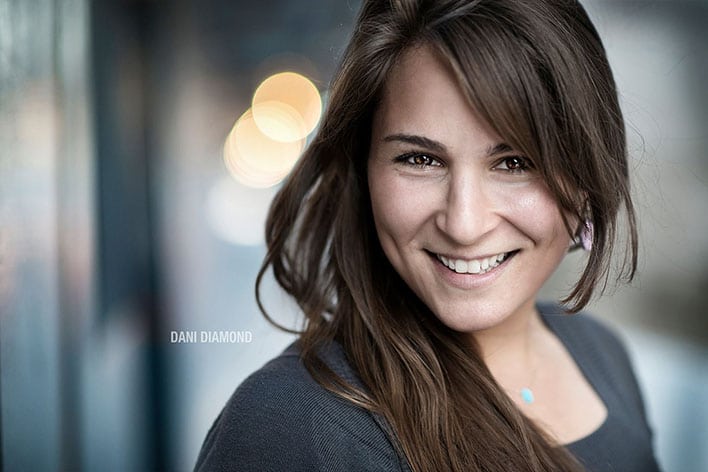
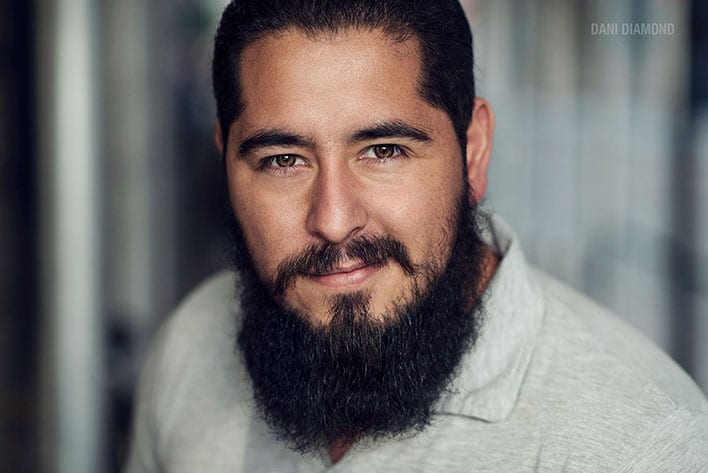
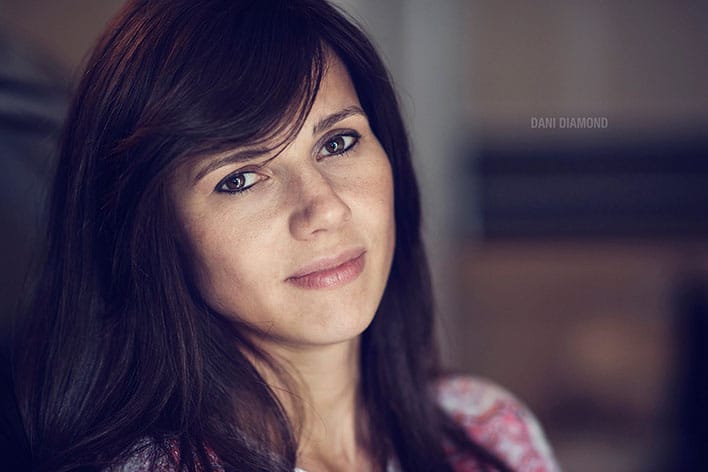
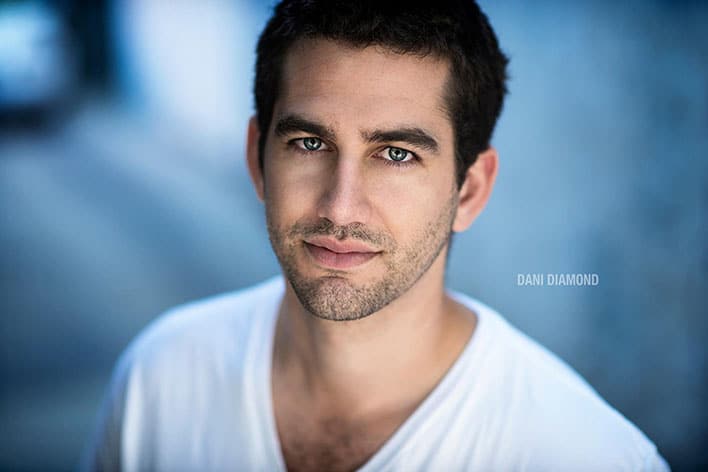
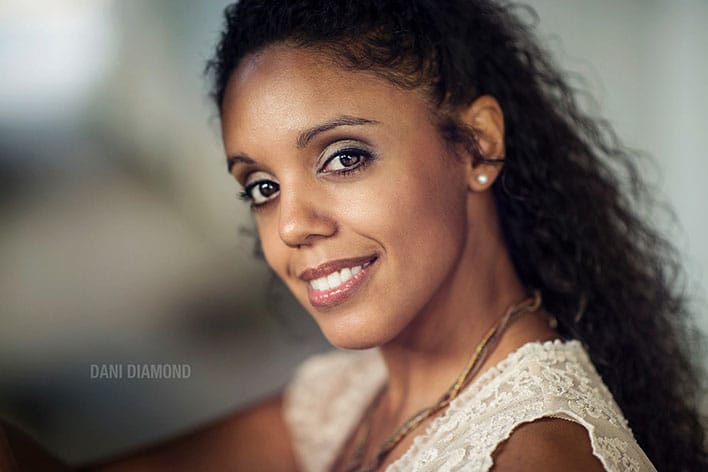
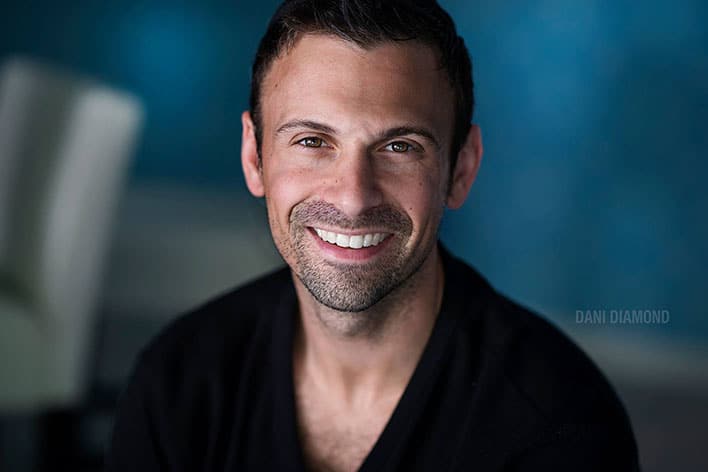
Dani does an amazing job. I mean just take a look at these images below. He uses one camera (a Nikon D800) and one lens (a Nikon 85mm f/1.4). He places his subjects in amazing light and then waits till he thinks they have revealed a little bit of their personality to him. He says this has helped him fine tune his skills photographing couples. I can only imagine how lucky his clients feel when they encounter Dani who is so eager to master his craft.

Dani Diamond's The Project

Dani Diamond's The Project

Dani Diamond's The Project

Dani Diamond's The Project

Dani Diamond's The Project

Dani Diamond's The Project

Dani Diamond's The Project

Dani Diamond's The Project

Dani Diamond's The Project

What personal project are you working on? Share it with us below and if it catches my fancy, I'll reach out to you to interview you just as I interviewed Dani Diamond about his mission to create amazing headshot portraits of his fellow photographers.

Filed Under: Featured Post of the Day!, Photography

5 Tips For Photography Website Success

September 10, 2013 by Scott Wyden Kivowitz

As you might have guessed, having a website is essential to a photography business, so it is important to take necessary steps for photography website success. In this article, you are going to read five for photographers to achieve such a goal.

Hosting

The first step to achieve success, is to seek the best possible hosting for a photography business. There are many reason why WP Engine is a great choice for any photographer. First, is the expertise from every WP Engine employee. Another is their guaranteed uptime. At Photocrati, we pride ourselves on having the best possible support and understand how valuable it is to customers. So of course, I have to mention that their support is some of the best out there. Other awesome features from WP Engine are their time machine style backups, hack recovery and free migration services if you are transferring from another host.

I was originally hosted on Dreamhost, and then Liquid Web. Both were VPS servers which means that they're already more advanced and resourceful than shared hosting. However, my site kept going down when traffic spikes. Now on WP Engine my site really hasn't been down aside from a major power outage that was out of their control. With that said, WP Engine is my WordPress host of course.

If you're using a service that hosts your website for you, reach out to the company and find our about their downtime policy, website speeds and security measures.

Platform

The next thing to consider is the platform for which the website is built on. There are many content management systems available, but with over 16% percent of all websites on the Internet using WordPress, which is over 78 million WordPress installs, it is obvious what the best choice is. Now, some photographers do not want “the hassle” of managing a website host or WordPress application. Fortunately, WP Engine specializes in WordPress and customers do not have to worry about managing anything but three things:

  1. Update your WordPress theme
  2. Update your WordPress plugins
  3. Create your content

WordPress has its many advantages like having complete control over every aspect of your website. There is a massive community of other WordPress users willing to lend a hand and answer questions. There are tons of resources on the Internet to learn WordPress and find answers. WordPress is extremely flexible and can be a blog, a marketing page, a lead capturing tool, a full website, a CRM and many other things.

Theme

There are thousands of photo specific WordPress themes out there, and while we love our theme we also know that not everyone wants the same theme. With that, we have no problem recommending potential customers (or non customers) to theme's that are more of their personal taste. There are so many websites that list photo themes, so do so Google searching to find one that you like. Use keywords like full screen or grid layout.

Some things to consider for your photography WordPress theme are:

  • Gallery management
  • eCommerce
  • Image protection
  • Mobile friendly

The Photocrati theme is each of these and responsive capability is also coming in a future update.

Plugins

NextGEN Pro Plugin By Photocrati

Just like themes, there are thousands of plugins out there for photographers to use. They cover the full gamut of options, features and so on. Whether you are looking for an appointment plugin or a gallery plugin, there are many options. At Photocrati, we develop one of the most popular plugins called NextGEN Gallery (approaching 8 million downloads). We recently launched NextGEN Pro which includes enhanced gallery styles a Pro Lightbox with individual photo social sharing and commenting. Coming in future updates are eCommerce, proofing and lab integration. All of these amazing features can be used on any WordPress site running any WordPress theme.

However, we know some people prefer other gallery styles we currently do not offer. So with that, we have no problem recommending plugins like SlideDeck or FooBox which both integrate with NextGEN Gallery.

Also like themes, do Google searching for relevant keywords and WordPress listings will usually come up first. If you're looking for SEO or contact form plugins, check out WordPress SEO by Yoast and Gravity Forms.

Content

Of course, without content anything you do is practically useless. Content can be photographs, documents like a PDF guide for customers, blog articles or podcasts. Content is what attracts visits to your website. Spend some time and brainstorm ideas to create. If you are not a great writer, then hire someone who is. Make sure it is optimized for search engines, and see the traffic start to come in.

Don't be afraid to blog. Find your voice, be creative and write write write. Spend some time with your laptop or tablet outside or in a coffee shop. Different locations inspire creative writing. See what your competition is doing and then do it better.

Closing

Of course, there is much more to website success than this basic overview. Feel free to comment or contact me and I will do my best to answer your questions.

Filed Under: Featured Post of the Day!, Web/Tech Tagged With: content management systems, Photography Business, photography website, Photography Wordpress, Tips For Photography, Website Success, wordpress, Wp Engine

Interview With Documentary Landscape Photographer, Marc Wilson

June 19, 2013 by Seshu | Editor & Publisher

Working in the genre of documentary landscape photography, Marc Wilson looks at the memories and histories in the landscapes that surround us, and man’s interaction within it. He has exhibited in many solo and group exhibitions, both in the UK and internationally; in Milan, Grenoble and New York. Exhibitions include: The Terry O’Neill Award, 2013, The Royal Armouries Museum in Portsmouth and Leeds, the inaugural solo shows at the Back Hill and Now Showing galleries (London), a solo show at Focal Point gallery, Southend and group shows at Art 2001, Photo2005, The Photographers Gallery, The Association of Photographers gallery and Lucy Bell Fine Art.

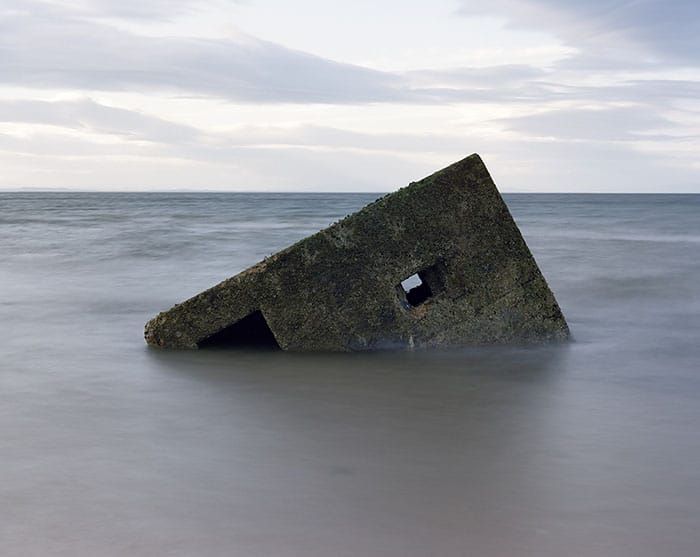
Findhorn, Moray, Scotland. 2011

An Update From Marc Wilson:

“To coincide with the 75th anniversary of the end of WW2 I am this year publishing a 3rd edition of the photo book The Last Stand. The first 2 editions sold out and having the publishing rights back means I am able to make this 3rd edition in a different format with a number of new images and new design.

This new smaller softcover format also makes it more affordable which is something I’ve always wanted to do with this book in these later editions.The new version will start at only £25 but is currently £20 during the pre-order. There are print and special editions options also.”

Throughout all of my photographic work, I feel it is important to create visual reminders of our histories and the stories they contain.

These visual markers then give us the trigger for story telling and remembrance…which is ever more important as the number of individuals who lived through these histories grows ever smaller each year.

In many cases, the photographic document will become the only visual record of these places and the connected stories as many defences are subsumed by sands or water, or some even, pulled down and removed.

Many people whom have bought the book of the work have told me how they now have, or wish to, visit these places.

For all of these reasons I feel driven to make work like this, work that I hope triggers discussion, storytelling, inquisitiveness, remembrance and thought.

Pre-order the 3rd Edition here.

You are called a ‘documentary landscape photographer' – is that a term you came up with?

I can’t remember where I read the expression first but it was about five years ago I think. I had always struggled slightly with describing my work as it did not seem to fit into any conventional genres but the term ‘documentary landscape’ desribed it perfectly.

Do you feel your work echoes the work of those landscape photographers who have gone before you or do you think your work stands on its own?

My work is very subject specific in that I seek out particular objects and structures within the landscape and the stories behind them, as opposed to either the urban sprawl or the greater landscape itself. The landscape does though play an integral role in my work, as both the background and container for the subjects. Whilst it could be seen to have echoes of the work of John Davies and Stephen Shore it probably more closley echoes the ‘New Topographics’ work of photographers such as Joe Deal and Robert Adams.

If you were to pay homage to any one landscape photographer, who would it be?

It would have to be John Davies … not a traditional ‘landscape’ photographer of course but I do find his work of ‘our landscape’ very inspiring and images that I can return to again and again, I think because of the human interaction found within.

Tell us about The Last Stand. What motivated you to start that project?

The seeds of the work came out of an older piece of work I produced called ‘Abandoned’ in 2003. Two locations in this work had military significance and I found myself returning to them (visually) and wanting to explore the subject matter further, and the more I did the more important it became to me that it was a story that I felt compelled, as a photographer, to tell. The work then became self motivating with each location visited and story told.

What have you discovered about yourself the most as you have gone through this project?

This work has really made me realise how important a photographer can be … not of course in terms of him or herself but in the subjects that they document, the stories and memories they have the ability to tell, and the importance of this. As a photographer I have a great responsibilty to tell these stories and the weight of that is what drives me on. The idea that work I produce is seen by others as ‘vital and important’ is a wonderful feeling.

Do you identify yourself as a photographer or an artist or is it a combination of the two?

I used to call myself a photogapher, then when I started working commercially I tried to separate the two strands into ‘photography’ and ‘art’ but today I am really quite comfortable with just being a ‘photographer’ and not trying to justify any diffeence to myself (or others). At the end of the day it is just a label but a bit of definition is no bad thing. I think the comfort of the word ‘photogapher’ has come as I feel more confident in the work I do and its place in society.

Studland Bay I, Dorset, England. 2011
Studland Bay II, Dorset, England. 2011
Newburgh I, Aberdeenshire, Scotland. 2012

Newburgh II, Aberdeenshire, Scotland. 2012
Les Landes, Jersey, The Channel Islands. 2013
Reighton Gap, Yorkshire, England. 2012

Cramond Island, Firth of Forth, Scotland. 2012
Findhorn, Moray, Scotland. 2011
Lossiemouth I, Moray, Scotland. 2011

Lossiemouth II, Moray, Scotland. 2011
Sainte-Marguerite-sur-mer, Upper Normandy, France. 2012
Wissant I, Nord-Pas-De-Calais, France. 2012

Wissant II, Nord-Pas-De-Calais, France. 2012
Hayling Island, Hampshire. England. 2013
Torcross, Devon, England. 2011

Loch Ewe, North West Highlands, Scotland. 2012
Spurn Point, Yorkshire, England. 2012
Arromanche -les-Bains I, Normandy, France. 2012

Arromanche -les-Bains II, Normandy, France. 2012
Brean Down II, Somerset, England. 2012

If there was one museum where you would like your images to hang permanently which one would it be and why?

It’s probably no great surprise but I think for The Last Stand it would, in the UK, have to be the Imperial War Museums. Simply that it seems the most appropriate venue to hold the images on a permanent basis.

Your images are quiet. They are devoid of humans, yet are full of suggestions that humans have inhabited that particular place in some interesting ways. Even your portrait say more about the space your subject takes up than the subject themselves. Is this your mission? If not, what are you trying to say.

In terms of this particular work it is very important for me to make sensitive and subtle images that are respectful of the memories I am depicting. There is no need to add ‘photographic glamour’ to these subjects. I have always been interested in the memories and histories that the landscape and objects within it can hold. To me the suggestion of human presence is what holds my interest more so than a physical presence. I feel it allows a wider audience to imagine themselves in these places. I think that is where my work differs from more traditional documentary photography and photojournalism. It is telling these same stories but in a different way and allows me to look at historical work.
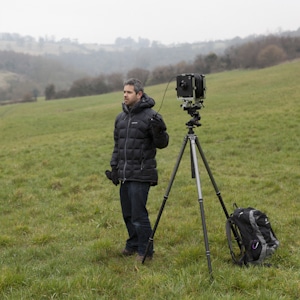
As for my portrait, I guess I set it up in the same way, without really realising it!

Marc WilsonI see you are using a 4×5 (or it is 5×7) view camera for your work in The Last Stand. Is that your first choice for your commercial work as well? What is it about his particular format that you like so much?

It is just the most appropariate format for the work, allowing the rise and fall that I need for the ‘architectural’ elements within the images and also the large film giving quite beautiful and subtle prints. It also works best for the quiet, sensitive and considered approach the work requires. Commercially I shoot digitally but still using shift lenses.

How did you get your start in photography? And, why have you spent a good deal of your own money pursuing documentary projects? What compels you to do what you do?

I studied Sociology at University and my final dissertation included elements of image making and photography and from there my love for the medium grew. I then went on to study at both degree and MA level. I spent some years teaching before starting to work commercially also about 7 years ago. It was only about 3 years ago that I felt I had ‘earned the right’ to start working on these projects again.

To me the story is everything. It is very difficult to get commissioned to produce this scale of work so the funding has to come from somewhere, in this case a combination of self funding and crowdfunding. The first stage of the work I funded 70% and crowdfunding 30%. This second stage will be more the other way round. My hope is that this work will go on to fund the next through print sales and books. (I am starting discussiosn about a printed book of the work very soon).

That said I am currently in the very early stages of discussion about continuing The Last Stand outside of Northern Europe and away from the second world war so it can happen.

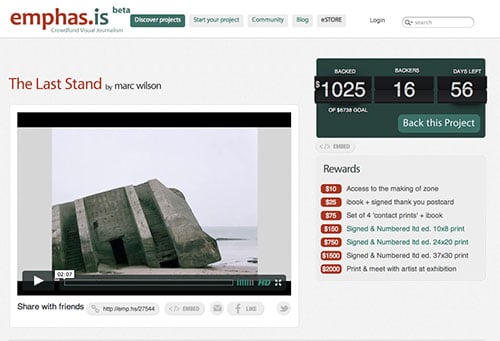
If this project by Marc Wilson resonates with you, please consider supporting his project, The Last Stand. You can make a donation here on this emphasis page.

Marc Wilson's The Last Stand Documentary Landscape Project On Emphas.is

Filed Under: Documentary, Featured Post of the Day!, Interviews, Photography Tagged With: Documentary Project, John Davies, Kurt Markus, Landscape Photographs, Last Stand, Marc Wilson, The Last Stand

  • « Previous Page
  • 1
  • …
  • 9
  • 10
  • 11

Subscribe To Tiffibox Treats!

Looking for a well-curated email newsletter that will leave you inspired and motivated about your photography business? Sign up below!

About Seshu

Seshu creates relaxed portraits of families and high school seniors in Avon, Connecticut. He also leads a successful headshot photography studio in Connecticut, helping professionals from a variety of disciplines project the very best versions of themselves. He created Tiffinbox as a way of inspiring photographers, to create better images and successful businesses. [Read More]

Email Templates For Headshot Photographers

Email Templates for Headshot Photographers

Recent Posts

  • How Capture One Changed My Event Photography
  • 10 Steps To Stay Positive In Times Of Great Stress
  • Why You Need To Read “Personal Branding For Photographers” Now
  • How To Master Your Website Content Step By Step?
  • Tony Taafe’s TNT Method For Headshot Photographers

Recent Comments

  • Stephen Davison on Are You A Business Owner Who Is Smart, But Stuck?
  • Ben A. on Don Giannatti Clinches The 8th Annual Tiffinbox Award
  • Dan on Don Giannatti Clinches The 8th Annual Tiffinbox Award
  • Donald Giannatti on Don Giannatti Clinches The 8th Annual Tiffinbox Award
  • Stephen Davison on G.E. Masana’s 6 Strategies For Wedding Photography Success
  • Naveen Kumar on Weddings In India Are More Than Being At The Right Place And At The Right Time
  • kartick on Weddings In India Are More Than Being At The Right Place And At The Right Time
  • Leonid Farbman on 6 Uncommon Trends To Grow Your Photography Business
  • Willow and Finch Wedding Photography on 11 Reception Tips To Help Your Wedding Photography
  • Web Designer Malaysia on How To Optimize Your Squarespace Website For Search Engines
  • Creastan on An Interview With Photojournalist G.M.B. Akash
  • Cindy Brown | Atlanta on An Open Letter To A Local Photographer

Become a Patron!

Copyright © 2026 · Tiffinbox · Site Design by Heather Mackan Creative · Built on Genesis