• Photography
  • Interviews
  • Business
  • Reviews

Tiffinbox

Inspiring Photographers

  • Home
  • About
  • Blog
  • Contact

Once A Photojournalist, Paul Gero Documents Families

April 2, 2020 by Seshu | Editor & Publisher

The Photojournalist

Paul Gero, a Wisconsin portrait photographer, was at one point a newspaper photojournalist.

You may remember that I featured Paul's work on this site here and here.

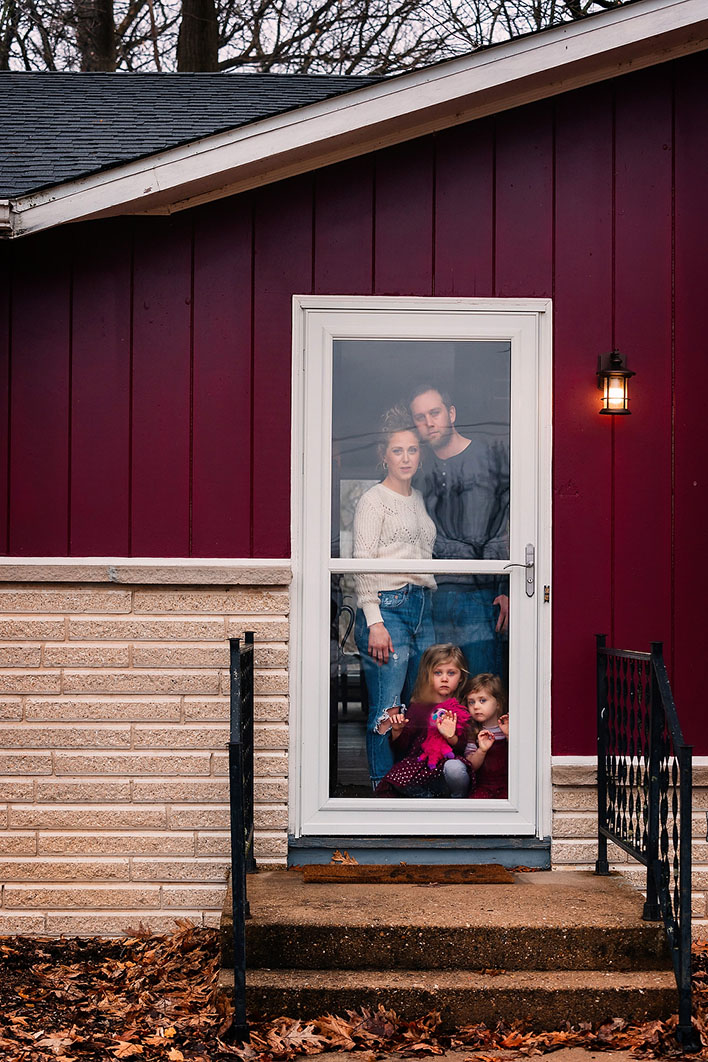
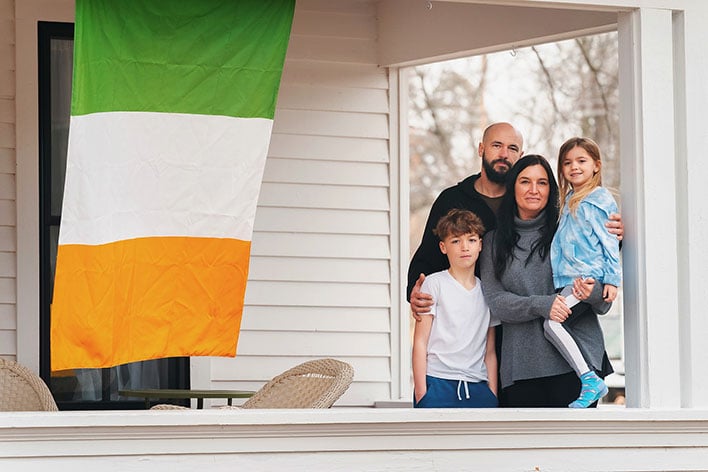
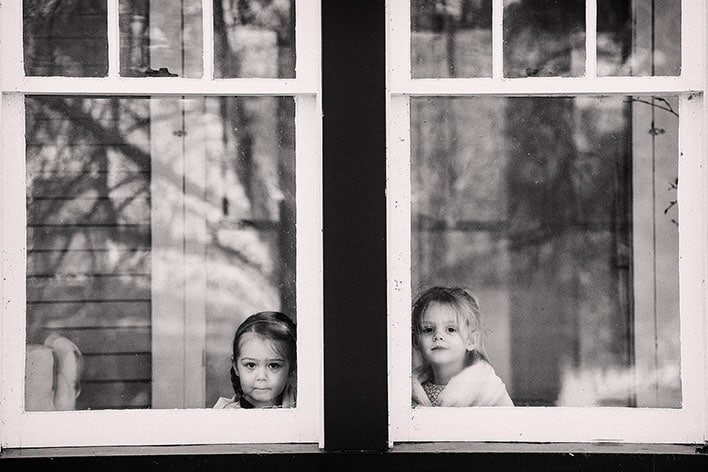
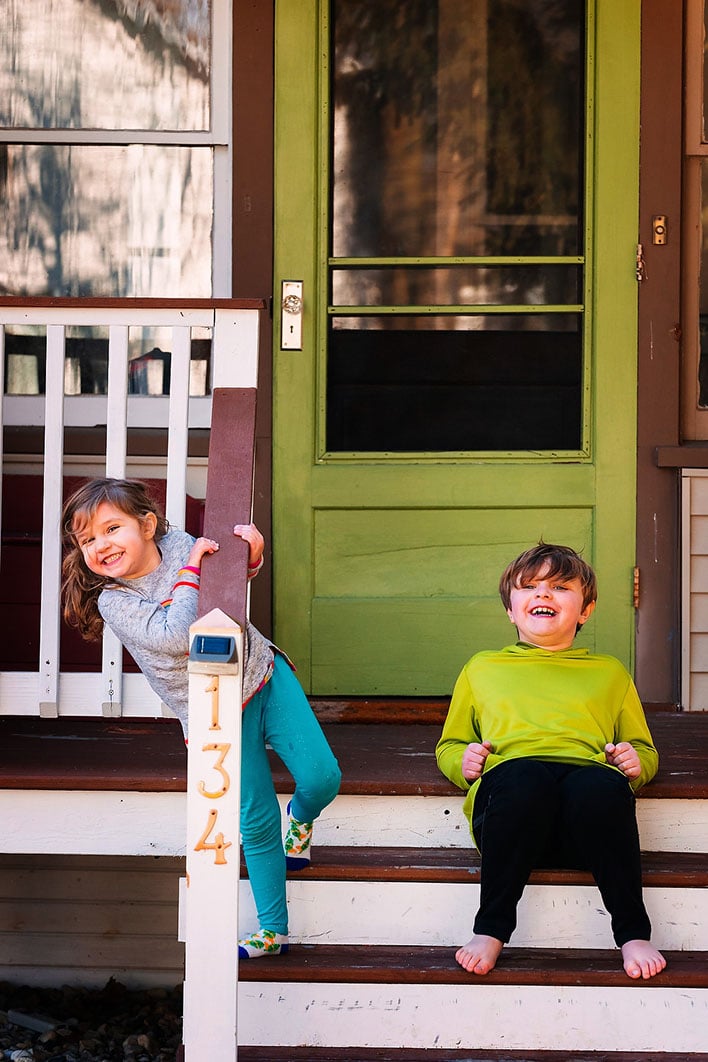
His journalism instincts are kicking in again. During the current COVID-19 pandemic, Paul has embarked on a neighborhood family portrait project.

And, yes, he is observing all relevant “social distancing” guidelines, as outlined by his state government.

Portrait Project

I had the honor of speaking with Paul last week about his project, “Portraits In The Time Of Corona.”

If you are wondering if the title echoes Gabriel Garcia Marquez' work of fiction, it does.

A Few Photographs

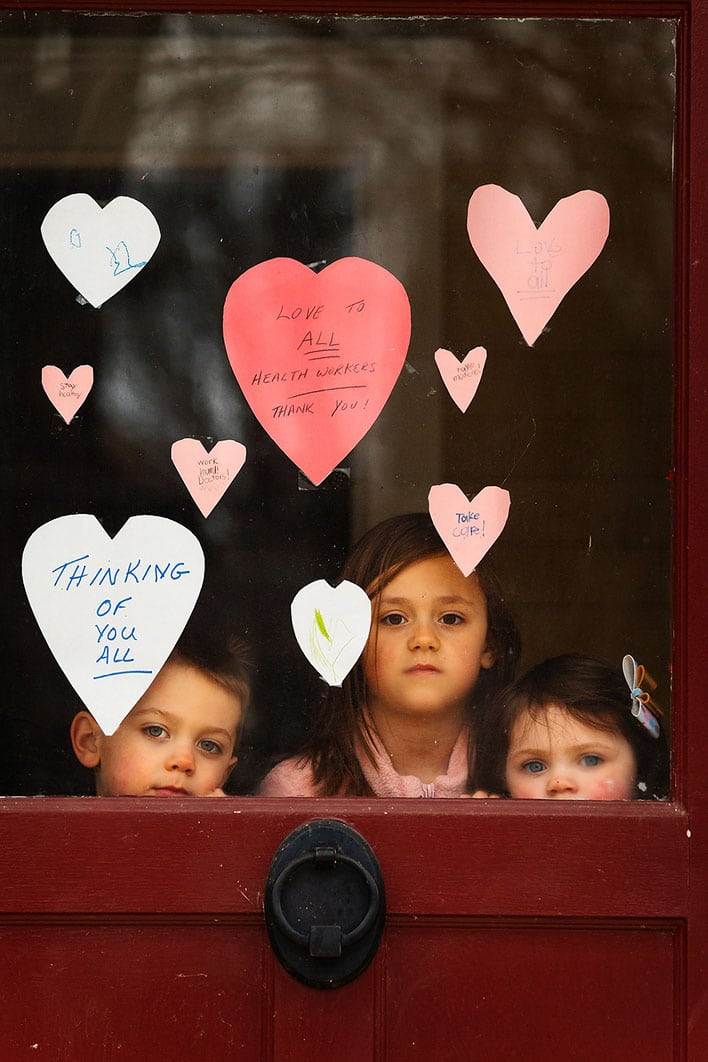
Here are a few images from Paul's project:
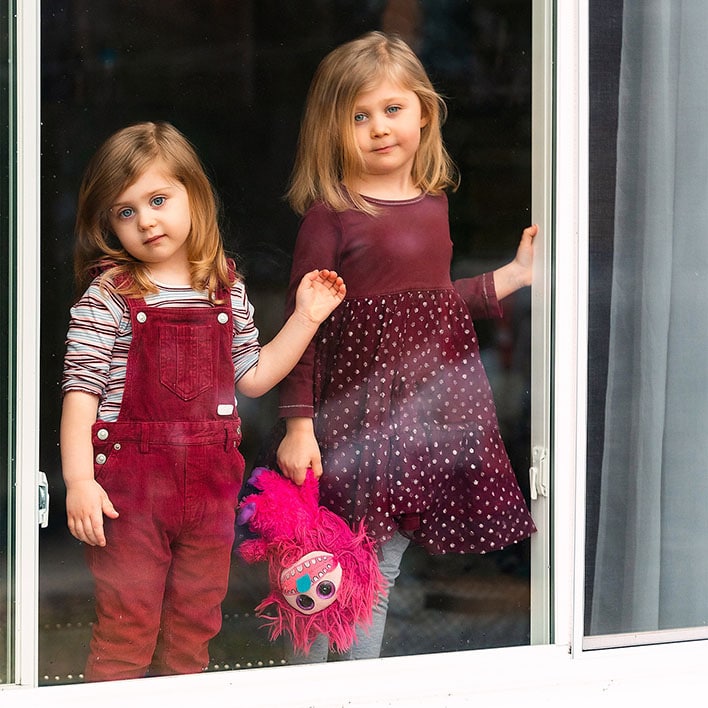
Paul Gero, Portraits In The Time of Corona

Paul Gero, Portraits In The Time of Corona

Paul Gero, Portraits In The Time of Corona

Paul Gero, Portraits In The Time of Corona

Paul Gero, Portraits In The Time of Corona

Paul Gero, Portraits In The Time of Corona

Other Portrait Projects

Several other photographers, across the country have either started to work on a similar idea or are about to embark on one as soon as it is safe to do so:

Sree Sripathy says she will be photographing the Indian community in the Bay Area.

Cara Soulia was featured on NBC for her project called and hashtagged #thefrontstepsproject

CBS News carried a segment about a Twin-Cities photographer who offers complimentary porch step portraits.

While most of the initiatives have been positively received, some feel photographers should wait till the “stay-at-home” guidance in most of the states are lifted before venturing outdoors and interacting with people again.

So, tell me, what would you do? Would you go outdoors and photograph families from a safe distance or would you rather hold off on any portrait sessions until everyone is safe to move about the country?

Update

Paul has wrapped up his project and launched a book of all the portraits he was able to create in his community.
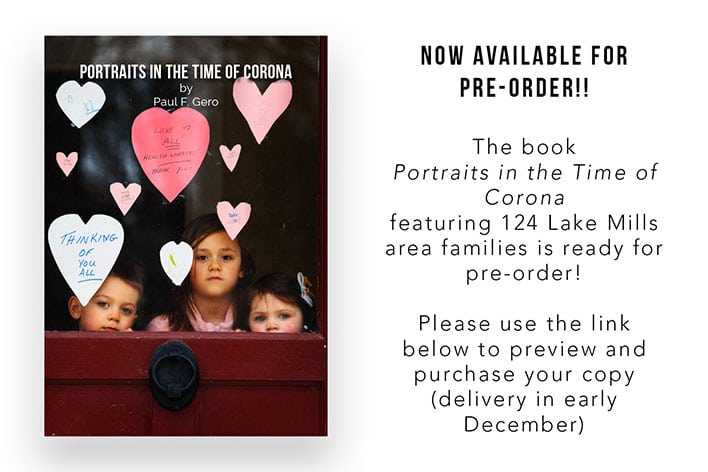
Portraits In The Time of Corona book

Filed Under: Home Middle Right, Interviews, Photo Projects Tagged With: being seen in public, business during a pandemic, covid-19 pandemic, family history, family legacy, front steps portraits, global pandemic, marketing during a pandemic, outdoor portraits, paul gero, Photographers, porch sessions, portrait sessions, social distancing, staying healthy, staying safe, working outdoors

Keep It Simple Photo Workflow

August 15, 2011 by Seshu | Editor & Publisher

I've described my photography workflow before. At its core is the belief that by keeping things simple, my workflow will cut short the time I spend in front of the computer and allow me to return to making images or spending more time with my family.

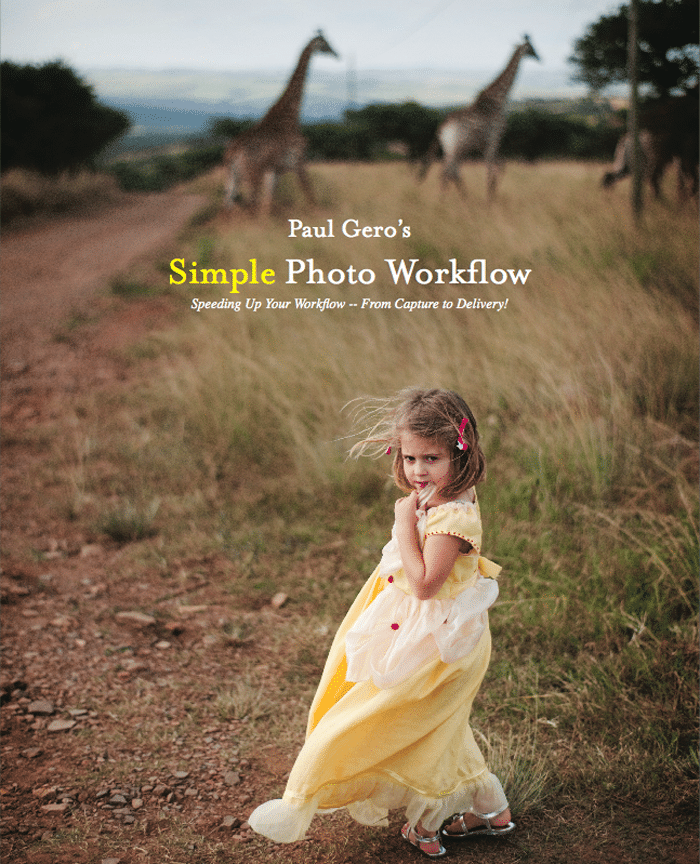
Fortunately, I am not alone in this line of thinking. Paul Gero, a friend and fellow photographer based in Orange County, California has published a lucid, step-by-step guide for a vast majority of photographers who have no clue about post production or who are frazzled by all the tools and options presented to them. The guide book is called Simple Photo Workflow.

Paul Gero's Simple Photo Workflow

With over 20 years of experience as a photographer – first at newspapers and then documenting weddings and portraits – Gero is one photographer whose words and work I trust. You may recall his excellent guest blog post on Tiffinbox – Control & Chaos: Two Genres of Photography.

Now, go on check his blog out. It's a source of weekly inspiration for me. Set aside for a moment the way Gero expresses the light and life he sees in front of him. I think he is a master at photographing the unguarded moment. However, take another look at the way the images are processed.

To my eyes, there is nothing complicated about them, yet they are brilliant. I see natural skin tones, just the right amount of grain, light vignetting that draws your eyes to the main subject of the frame and the black & white images that have both depth and drama to them. With Photoshop and other image processing tools, it's much too easy to go crazy and drop layer after layer of actions, until your vision of the final image is not only blurred, it's obliterated.

Getting back to saving time, the post production work Gero introduces us to in his new e-book, is simple, yet elegant. It won't stress you or your computer out. Gero expresses his thoughts simply as well. Chapters on exposure, editing, raw processing, using Lightroom and photo finishing (retouching) are all punctuated with exceptional examples and step-by-step instructions, so you'll never falter. As a bonus, Gero has a “cheat-sheet” at the end of the book that walks you through all of the processes he goes through when he is editing his own images! This is like looking over his shoulder and watching him work, except you'll be doing it yourself and learning from it.

If you already use Photomechanic, Lightroom and Photoshop and use them well, then this ebook isn't for you. However, if you do use these programs in your post-production work and you are just stumbling along, I urge you to . Yes, I called it an ebook before, but it's much more than that. You'll want to print it out (as I have) and use it as you edit your images. Once your post production become intuitive, then you can go in and customize the system.

Full disclosure – I received a complimentary copy of the ebook to review but I am not an affiliate and I do not make a dime off of the sale of this wonderful book. I am recommending it here solely on its merit.

Want your own copy? Use “seshu” between today and August 29 to buy it for $47 (regular price is $77). I am sure you want to save $30.

Filed Under: Photography Workflow Tagged With: adobe photoshop, adobe photoshop lightroom, computer graphics, graphics software, guide books, images, keep it simple, orange county, paul gero, photo manipulation, photographer, Photography, process imaging, simple photos, vignetting, Workflow

Control & Chaos: Two Genres Of Photography

October 5, 2010 by Guest

Paul GeroThis is a guest post by Paul Gero, a wedding photojournalist based in Orange County. Paul is also known for being a terrific writer, speaker and teacher. He, his wife Nicki and now two kids are wonderful people to know.

Having been in photography for a little while, I find that the work falls down into basically two approaches: Control and Chaos.

Doing Control type work is about setting up, posing, lighting and forging a bond that elicits the desired response.

Much of the commercial world and a lot of the wedding and portrait world is in that category of Control.

A few reasons why it might be so popular:

a) The desire to create an image that looks familiar (and with the web more images are shown and seen than ever before).

b) The desire to create an image that you know will be client pleasing and you know will sell.

c) A newer photographer with new found skills and less certain about capturing things “on the fly”.

The Chaos approach has been around for decades practiced by many of the greats including Henri Cartier-Bresson, Josef Koudelka, Larry Towell and others.

Many of the great photographers from the famed photo agency Magnum work in this manner. These are some of my favorites primarily because of the way the see the world, the moments they capture and the way they structure their photographs.

It’s a style that takes practice to master. It's about looking, watching, spending time in the field with a camera, and anticipating — it's not always reproducible, but it will always be interesting. Serendipity is a huge part of the equation of Chaos photography — that can be scary but also hugely rewarding.

It takes thinking about how you'll approach a situation from where you position yourself in relation to your subject, where they are in relation to the background and what focal length you'll use to make this type of photograph.

I recommend to my students is they watch people especially as they gather at a mall, for example. Notice how they stand, how they greet people (and cultures are different).

Then when watching those interactions think about where you would need to be to make a great photograph of that situation. What lens would you use? How far would you be from the subjects?

Selecting a spot to stand in relation to your subject in the Chaos realm is important. This location along with your focal length determines how much context will be revealed in the photograph. And typically you’ll want to see that subject’s face in order to capture emotion (the eyes reveal the soul, as they say). That often means being in front of or to the side of your subject.

When I worked in Washington DC and covered events with the President, it was interesting to watch how the Associated Press determined their coverage and would station a photographer front and center of the President. That was a safe angle, and often times the best angle.

They would position another photographer off to the side for most events — that 45 degree or called the “cut away” angle.

This angle adds depth to the photo as the subject to the right or left of the President would often be slightly out of focus (with a telephoto lens). It would be a good angle if the President was looking in the camera direction, and perhaps less successful if he were to look to the opposite side.

Selecting the angle behind your subject is a lower percentage choice, but can be useful as this position gives the viewer a sense of “walking into the sunset”, or leaving. That aspect makes it useful and can help creating a natural looking end to a story.

While observational skills and camera position are critical to successful Chaos photography so is being in control of your technical skills.

Knowing light, knowing exposure, knowing when to trust or not trust your meter all play into that role.

Many photographers use the auto modes on a modern camera to “set it and forget it” and while that can work and does in many cases, there are times when it can get you in trouble especially if you’re not paying attention to the choices made by the camera or get sloppy in where you meter and hold the exposure value.

When I choose my working settings, I start from selecting aperture first, in order to create the look and depth of field on the scene (especially using wide or normal lenses).

My shutter speed choice then coincides with a good exposure for that scene based on the ISO (typically using the lowest ISO for optimum quality while still being able to get the desired shutter speed). I also consider the amount of movement in a scene in order to select the appropriate shutter speed to stop the action.

Lens selection is critical for Chaos photography.

Much of what I call the inspirational photography in this genre is often made with simple focal lengths, either slightly wide or normal (i.e. 28mm, 35mm, 50mm lenses on 35mm cameras). Rarely do you see a lot of this work done with extreme wide angles and extreme telephotos.

These lens choices also force an intimacy with your subjects in terms of your position to them. It’s much tougher to hide when you’re using a wide or a normal focal length lens, as is possible when using long zooms or telephotos.

When you’ve become really disciplined using one, two or three focal lengths, you begin to see the world taking place on the stage for those lenses. You get comfortable framing with the the imaginary lines of those focal lengths.

Zooms are popular and can be useful tools, though I find that primes often help photographers hone their vision especially when learning. It forces you to move to frame, rather than zoom to frame.

I know for me when using zooms I have to be very disciplined to not just zoom out when I should be moving my feet to frame. In fact, I try to use the zoom like a prime and determine the focal length I want to use, set it on the zoom and then move to frame but not zoom unless I absolutely must (especially with a zoom such as the 24-70mm; less so with a long lens such as the 70-200mm).

Metering light which then translates to a great exposure is critical especially in fast-moving situations.

I find that using an old school incident meter is great in this area. It allows me to dial in the exposure so that helps exposure consistency from frame to frame. Even if you only use an external meter for a while as you learn the patterns of lighting, I think it can be extremely useful.

This gives you one less thing to think about because you’ll know that exposure is handled.

Look at the scene and anticipate what would happen if you change position or your subject’s change position. Think ahead and pre-visualize where the subjects might go can help you successfully handle any change in exposure.

I can’t stress it enough: Exposure is a critical component to successful photography — and especially digital photography.

To paraphrase my instructor, famed National Geographic photographer William Albert Allard: You have to get your exposure dialed in because you’d hate to lose a portfolio photograph due to a lousy exposure.

He was right when he told me (and we were shooting transparency film) as he is today if you’re shooting digital.

What I enjoy most about Chaos photography is that it’s more about capturing life as it happens, as opposed to having it set up by me. It takes more time for this to work, because you have to be able to witness things — having a five minute window with a subject often precludes that and reduces you to do Control work.

I find that life is so much more fascinating and people do much more interesting things than I could ever set up.

I loved to be surprised when looking through the lens and use that as a guide to know if I'm in the presence of an interesting photograph — if it moves me, excites me, or causes an emotional response in me while I'm photographing, it will usually translate in the actual photograph.

Perhaps folks who prefer Control photography are not certain that good or great photos will even materialize therefore they want to ensure that they do.

All I can say from years of experience is to trust that they will — if you have time. Wherever people gather there is a potential for great photographs. And you will often be surprised by the photographs these subjects give you.

The human element makes that happen. The energy from an event makes it happen. You just have to have faith that you’ll see those moments when they happen and using your skills acquired from practice and observation, you’ll be in the right place at the right time.

Knowing how to create nice Control images is a part of the modern photographer’s tool box, no doubt, but I think it should be a piece of the box, not the whole thing.

Practice your observational skills and your technical skills and be prepared to be surprised with the beautiful and incredible chaos that is life and then capture that feeling with your camera.

What kind of photography do you practice? Do you agree or disagree with Paul? Your comments below will create a dialogue that I will welcome here on Tiffinbox. So please take a moment to tell us what is on your mind. We're listening to you!

Filed Under: Photography Tagged With: aperture, camera, chaos, control, controlled chaos, controls, digital photography, exposure, focal length, genre, genres, optics, paul gero, photographer, Photographers, photographic lens, Photography, physics, science of photography, shutter speed, telephoto lens, wide angle lens

Subscribe To Tiffibox Treats!

Looking for a well-curated email newsletter that will leave you inspired and motivated about your photography business? Sign up below!

About Seshu

Seshu creates relaxed portraits of families and high school seniors in Avon, Connecticut. He also leads a successful headshot photography studio in Connecticut, helping professionals from a variety of disciplines project the very best versions of themselves. He created Tiffinbox as a way of inspiring photographers, to create better images and successful businesses. [Read More]

Email Templates For Headshot Photographers

Email Templates for Headshot Photographers

Recent Posts

  • How Capture One Changed My Event Photography
  • 10 Steps To Stay Positive In Times Of Great Stress
  • Why You Need To Read “Personal Branding For Photographers” Now
  • How To Master Your Website Content Step By Step?
  • Tony Taafe’s TNT Method For Headshot Photographers

Recent Comments

  • Stephen Davison on Are You A Business Owner Who Is Smart, But Stuck?
  • Ben A. on Don Giannatti Clinches The 8th Annual Tiffinbox Award
  • Dan on Don Giannatti Clinches The 8th Annual Tiffinbox Award
  • Donald Giannatti on Don Giannatti Clinches The 8th Annual Tiffinbox Award
  • Stephen Davison on G.E. Masana’s 6 Strategies For Wedding Photography Success
  • Naveen Kumar on Weddings In India Are More Than Being At The Right Place And At The Right Time
  • kartick on Weddings In India Are More Than Being At The Right Place And At The Right Time
  • Leonid Farbman on 6 Uncommon Trends To Grow Your Photography Business
  • Willow and Finch Wedding Photography on 11 Reception Tips To Help Your Wedding Photography
  • Web Designer Malaysia on How To Optimize Your Squarespace Website For Search Engines
  • Creastan on An Interview With Photojournalist G.M.B. Akash
  • Cindy Brown | Atlanta on An Open Letter To A Local Photographer

Become a Patron!

Copyright © 2026 · Tiffinbox · Site Design by Heather Mackan Creative · Built on Genesis