• Photography
  • Interviews
  • Business
  • Reviews

Tiffinbox

Inspiring Photographers

  • Home
  • About
  • Blog
  • Contact

Introducing ProofPress, A WordPress Photo Proofing Cart

September 24, 2010 by Guest

Iurie VlasovThis is a guest post by Iurie Vlasov, a Marketing professional at Vitriol Consult LLC specializing in SEO and Innovative web-marketing.

On August 23, the world of photographers was touched by a piece of news that created quite some buzz – a totally new and innovative proofing system was to be released in October – ProofPress. You may be wondering what is the point of another photo cart when there is a myriad of different other products for online proofing available out there. Read on and you will understand!

“Design is not just what it looks like and feels like. Design is how it works.” ~ Steve Jobs

The creators of ProofPress, two young dashing individuals from Florida with an extensive experience in web-development and who specialized for years in e-commerce systems have come with an idea to create something different for the photographer. There is nothing new when it comes to photo proofing systems, and most of them already out there are very similar in functionality, but different in quality and price. ProofPress on the other hand was created with the end user in mind. But there are two end-users to a photo cart system you will say. Indeed, there is the photographer on one end who has the task of managing the system and the customer on the other end. Many photographers today are just too busy to deal with all the “advanced” functionality their current photo proofing cart provides, and may give up on using one for the sake of saving time and use the old-school “on-the-phone” method to get their print orders from clients. So much for saving time.

Now back to those two guys in Florida. What they did is to have an idea that was revolutionary. Being developers and not photographers they got in touch with a few portrait and wedding photographers and spent time talking and understanding what their needs were and what is that they miss most in their current systems. After many hours and tens of pages of sketches and charts and mockups etc. they finally decided to give the modern photographer a system that would work directly out of their WordPress blogs. Not bad, because 85% of the photographers out there use WordPress for their photo blogs, because it's reliable, because it's easy to use, because it's safe, because it's constantly developing and updating, and yes because – Google loves WordPress.

Well, here we go, why not have a proofing system that will work as a plugin from your WordPress administration back end. No need to remember different passwords for different admin accounts, no need to have a multitude of admin urls to remember, but instead just one plain WordPress backend. And that is what ProofPress does, installs as a plugin in your WordPress and opens a whole new system in there. The guys jokingly call it, “a system inside a system.” But be aware that you need to have a self hosted blog on an actual domain that belongs to you and NOT one of those “johndoe.wordpress.com” blogs.

That is all good you will say, but what makes it so special? My answer is simple here, it will indeed offer what most of the systems out there do right now but will also be packed with other features:

a) Full front end customization, you as a photographer will be able to customize your proofing site by editing a multitude of options, like changing your logo, background, fonts, colors you name it… and the system will also be compatible with custom created templates. Now you will be able to apply your branding and design and have a unique photo cart.

b) Per client management. No more gallery grids. Each of your customers will be provided with his own client site where he will see only his galleries and information that you provide, including a text page which you can edit the way you want by adding a model release form, or maybe some what-to-wear information

c) A revolutionized way of managing collections (packages). ProofPress will offer the most flexible way of creating a collection. Managing print credit, discounts etc has never been easier and you know what, you can even let your clients create their own custom collections.

d) You will also be able to manage your financials and send invoices directly from your administration panel which gives you some basic accounting features and you will always know the state of your expenses and profits. A great feature for beginners who don't really need a bookkeeping system like Freshbooks etc.

These are some of the many features that ProofPress will offer. Stay tuned for the official press release the guys will publish in the beginning of October. Meanwhile you can contact them via email at info@proof-press.com and sign-up for a 30% discount at ProofPress.

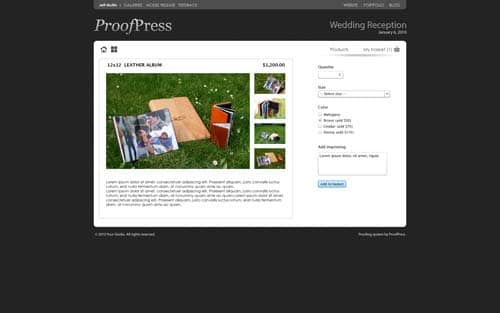
The Front End:
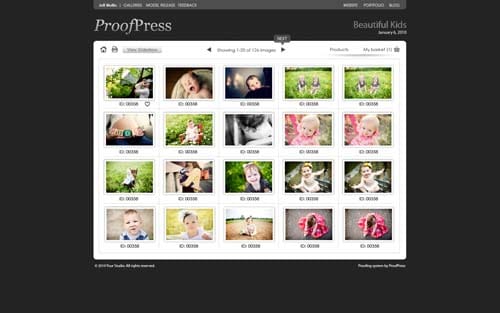
ProofPress Front End Gallery

ProofPress Front End Options

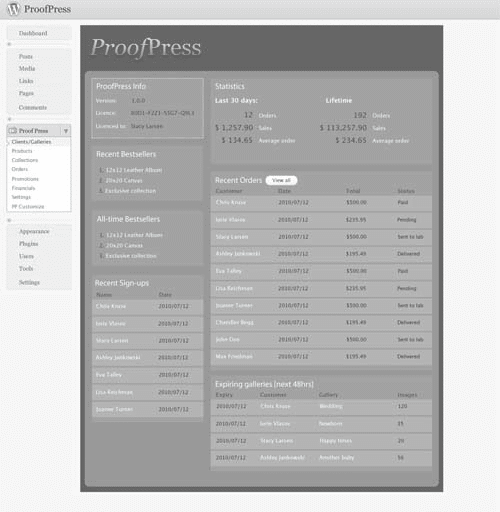
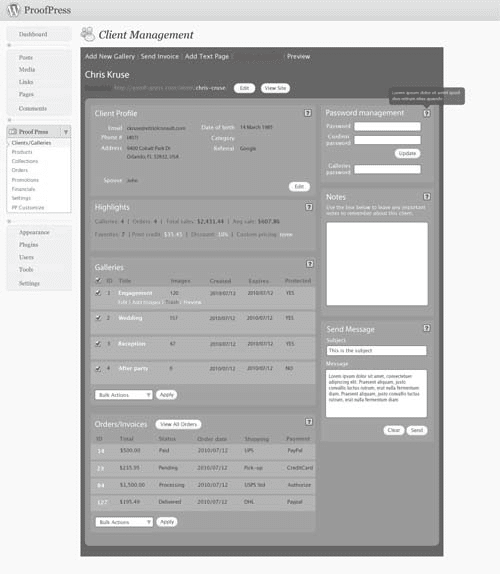
The Back End:

ProofPress Back End Dashboard

ProofPress Back End Single Client

Win on 10/10/10! ProofPress is generously offering ONE free license to a Tiffinbox subscriber. Here is how you may be able to win this WordPress plugin: First, Tweet the following: “I just learned about a very cool WordPress plugin called @ProofPress on @PicSeshu's Tiffinbox. #ProofPress Please RT!” Second, comment below and tell me WHY you deserve to win. Don't forget to mention your Twitter handle so that I can make sure you have done both. I need to see a minimum of 50 real, honest, entries before I can give this away on October 10, 2010. So whatchawaitinfor?

WINNER ANNOUNCED – Kate McKenna – from Medford, MA has won ONE license of ProofPress, the forthcoming WordPress Plugin. Follow her on Twitter. Congratulations Kate!

Filed Under: Photo Biz, Web/Tech, Weblogs Tagged With: blog software, cart, content management systems, photo, photo cart, photo proof, photographer, Photographers, php programming language, PickPic, plugin, professional photographers, proof test, proofing, proofing system, RedCart, system, wordpress

Crafting Your Photographic Vision Leads To Success

September 1, 2010 by Guest

Daniel Milnor, AvatarThis guest post is by Daniel Milnor who splits his time between the chaos of Southern California and the spiritual landscape of New Mexico. He is happiest with his notebook, Leica and trusty leather boots, sizing up whatever situation is happening in front of him.

Milnor is the author of the blog, Smogranch, which allows him to speak his mind, post his mother’s poetry and bring together like minded people around the globe. Connect with him on Twitter.

For being a “creative industry” we sure love to conform.

A trend develops, no pun intended, and suddenly the industry publications, blogs, advertising, seminars and trade shows are filled with what is hot, new and temporary.

I’ve never completely understood this.

This isn’t unique to photography. Look at television. One reality show becomes a success and suddenly three or four similar shows pop up, all slightly less relevant than the original. Within a year or two the public is saturated, bored and searching for a new thrill.

Today’s photography world is filled with more photographers than ever before as the barrier for entry into the professional world falls lower and lower.

So what gives? How do we look to the future with a positive glow in our eyes?

Well, to me it comes down to finding our individual vision and refining our style, and accomplishing this isn’t possible by following industry trends or what’s hot.

Finding your vision comes from intense soul searching, time in the field and mastering the basics of photography, things like light, timing and composition, not to mention actually having something to say, something unique and native only to you, or me, and not simply what the industry wants us to say.

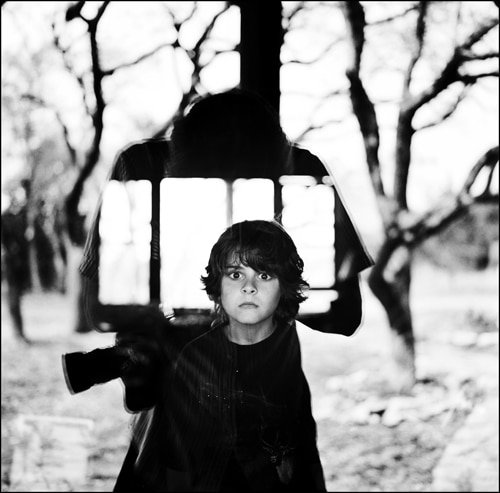
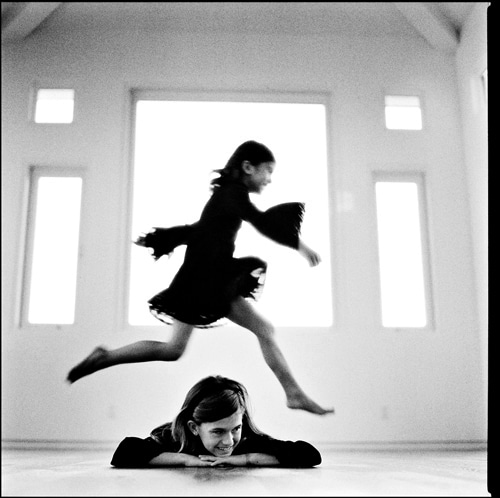
Children's Portraiture by Daniel Milnor

Often times, words like “vision, soul, passion, style,” are thrown around with reckless abandon, but most of the time this is only for show. These things, these traits are easy to talk about but very difficult to actually acquire. The good news, you already have them and all you have to do now is find them inside yourself.

Why do you need vision? Style?

Well, in essence, your vision is the most valuable thing you have. Making unique imagery, instantly recognizable imagery, is what will create the demand around your business.

Yesterday I received an email from a potential portrait client who said, “I had another photographer booked to photograph my kids, but after I saw your work I canceled with them and knew you were the photographer I was looking for.”

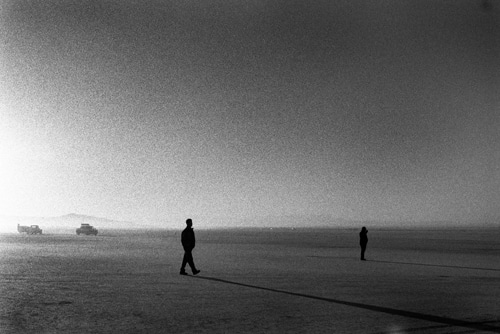
Mirage by Daniel Milnor

If I followed the industry trends, used all the same tools that the masses of photographers were using, then how does the client differentiate between my work and the masses? What do I have to negotiate with?

If I’m using camera A, lens A, Photoshop action A, Filter A, and you are using all these same things, then where is the value in my work? Why would anyone hire me over the photographer down the street?

When photographers conform and follow the masses, what typically happens is the job comes down to price and how much the photographer is prepared to give away. What gets lost? The photographs.

This is NOT the situation you want to find yourself in.

When you produce unique imagery clients recognize they are seeing something they can’t get everywhere. This doesn’t’ mean you are going to book every job, the reality is far from this, but what becomes the focal point of the negotiation is the IMAGERY.

My point with this little story is that finding your vision isn’t easy and might require time alone and asking some serious questions.

“Who am I with a camera in my hand.”
“What am I trying to say?”
“What do I REALLY want to do?”

You might think this last question is an easy one but I can’t tell you how many photographers I’ve spoken with who have simply followed what the industry has told them to do, or what they feel “They have to do.”

How did I find my vision?

I found my vision by NOT working as a photographer. I began working as a photographer, full time, around 1993. By 1997 I knew something wasn’t right. I was working but I wasn’t particularly thrilled with what I was producing and after looking back at what I had produced over the entire year I realized I didn’t have anything to show.

So, I took a job working for Eastman Kodak and signed a non-competition letter stating I wouldn’t accept any assignments during my time working for the company. I sold all of my equipment except for one Leica M body and one lens.

Over the following four years I learned much about the industry, other photographers, but more importantly I had the time to learn about my own work.

Over the four years I worked for Kodak I shot extensively on the side, not for anyone else, strictly for myself. When I picked up a camera I had only my own vision in mind.

After four years I looked at what I had accomplished and finally recognized who I was with a camera in my hand.

I made the decision to leave Kodak and become a photographer once again only this time I had a personal vision to lead my way.

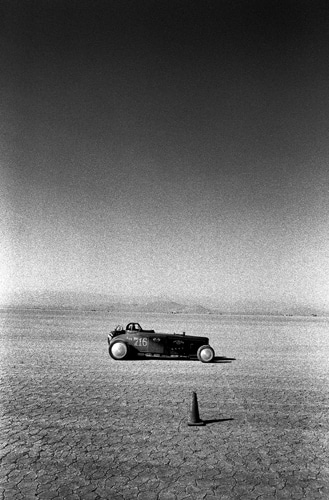
Mirage In The Desert, by Daniel Milnor

Had I NOT stopped working as a photographer I don’t think I would have ever come close to finding my vision. The industry and the controls being placed on me were just too powerful. There was little room to explore and what was expected of me was cut and dry.

My jobs today come more from me making suggestions than from a client telling me what to do. This is a very liberating feeling. When I book a portrait shoot or a wedding I book it because my work looks different and I have a clear vision of what I want to accomplish. Working this way feels like you are part of a creative collaboration as opposed to having to adopt to someone else’s idea of what images should look like.

My advice? Think about studying photography, really studying. Take classes, go to bookstores, go to galleries, museums and study what photography really has to offer. Learn who the masters were and are, and not just those in your genre. I’ve learned FAR more about how to photograph a wedding by looking at documentary work than I ever have from the wedding industry.

Also, think about taking on a long-term personal project, a project that is entirely controlled by you and preferably something outside your normal comfort zone.

Children's Portraits by Daniel Milnor

And finally, approach one of your best clients and suggest a new direction.

We can make all kinds of excuses about conforming, about not taking the time to find our unique point of view, but ultimately we simply owe it to photography to continue to explore the limits of our vision.

Finding your vision can be frustrating, confusing, sure, but when you begin to see a pattern or begin to see the proverbial light at the end of the tunnel the positive feeling will far outweigh any struggles you had to endure.

So go forth, take chances, break some eggs and keep your eyes open for the spark that can set you free.

Desert Mirage by Daniel Milnor

Milnor is a former newspaper, magazine and commercial photographer who now tries to work solely on his own projects, projects that allow him to work in the fashion he feels most likely to produce images that go beyond the temporary. Milnor is also a member of the advisory board at Blurb, a print on demand book publishing company comprised of some of the most creative and talented folks he has ever encountered.

He has taught at Art Center College of Design, The Santa Fe Photographic Workshops, The Julia Dean Workshops and is scheduled to teach in Peru, California and New Mexico in 2010. He has also found considerable success with his portrait work, which is represented by the agency Masterfile.

Filed Under: Commentary, Photography Tagged With: craft, crafting, creative industries, current trends, daniel, daniel milnor, event photographer society, industry trends, milnor, photographer, Photography, Success, vision, vision led, visual arts, Wedding Photography

Photographers – Don’t Use Email Marketing To Market!

August 30, 2010 by Guest

Dean Levitt, AvatarThis is a guest post by Dean Levitt, Mad Mimi‘s Chief of Culture. Based in Brooklyn, Dean spends altogether too much time thinking about email, people, music and hanging out in the park.

I've always been a huge fan of poetry, especially the sonnets of Edna St. Vincent Millay. I think that the “aha!” moment with poetry came to me at the Boston Museum of Fine Art while strolling through a photography exhibit. I saw some line somewhere about photography capturing a moment in emotion (or the other way around depending on your outlook) and it kinda hit me how similar the two arts are. Poetry (at least the kind of poetry I enjoy) is a wordy photograph.

No one understands better how one medium can be two things than photographers. There's a world of difference between a “photograph” and a snapshot, miles between prose and poetry and a gulf between an email that “markets” and an email that reaches out and connects. That's what we do! We connect… Think of your email marketing service as a way to share, touch, explore and exhibit. Whether your art form is expressed professionally as a portrait or wedding photographer or in purely aesthetic shots for the joy of it, you can utilize the available tools to stay visible and grow (as a business and as an artist).

Poetry is a wordy photograph.

Our entire culture has moved into a system of immediate sharing. Via Flickr, Facebook, Twitter and email, we're constantly sharing and updating. This only gets annoying when we're bombarded by advertising, marketing and spam. Anyone still use MySpace? It's like trying to add a slogan into a rhyming couplet! Take a step back and think about the beauty inherent in the social mediums rather than the possible benefit to yourself.

Building an email with Mad Mimi provides an easy way to share with hundreds (or thousands) of people in moments but it's only really sharing when it's personal and sincere. Take advantage of these tools in our lives to give a moment of your time to tell your friends, clients, customers and potential customers what's on your mind, what you're thinking and what is coming up professionally and personally. It makes receiving an email more like a coffee break with a good friend.

Mad Mimi Email Marketing

Emails provide a lovely way to exhibit your latest works by embedding images directly into the email accompanied by the story with it; whether is the story of a lifetime captured in a portrait, or the love shared at a wedding. Your email becomes a gallery. It's like a wormhole really – an gorgeous powerful email received at a desk whips the reader into a gallery where the photographs transport the viewers out of their moments into the moment captured by you.

So stop marketing and be a photographer, even when you're being an email marketer.

Please do email me and I'd be happy to help you with the boring technical bits of building lovely emails!

Dean and Mad Mimi have been instrumental in my launching MANTRA, a monthly e-newsletter about my wedding photography. While an in-depth review of the service and my experiences will be published soon here, I went ahead and became an affiliate of Mad Mimi. If you were to click the links or the image in this post, I do get a small commission. Thank you and thanks to Mad Mimi.

Filed Under: Marketing, Photo Biz, Photography Tagged With: Business, dean levitt, e mail, email marketing, fine art, mad mimi, Marketing, newsletters, photographer, Photographers, photography exhibit, poetry, Wedding Photography, world wide web

Short Guide For Photographers | Start Right Or Start Over

August 3, 2010 by Guest

Chelo Keys, AvatarThis guest post is by Livingston, New Jersey photographer Chelo Keys.

If you’re a part-timer working hard to be taken seriously, save yourself from some of the mistakes I’ve made.

It’s no secret that part-time and emerging photographers have to work hard to shake off the “weekend warrior” label. First, it’s hard to be taken seriously when there are so many part-timers entering the market at super low rates. Second, it’s very difficult to form good relationships in the photographic community when both your weekdays and weekends are taken up. With that said it’s easy to find yourself in a place of isolation, stumbling in the dark and making mistakes as you try to build a sustainable business. But even if you’re thinking of throwing in the towel, the good news about being a part-timer is that it’s never too late to start over, reassess your business and earn respect amongst your colleagues.

I’ve made some whopping mistakes starting out. But, I’m in the mist of a huge overhaul and can say that the following helped me chart a path to starting anew.

Practice Humility

Picking up a camera for the first time and thinking you know everything about the business is seriously obnoxious. I did this, so I know. If you’re doing this, stop it. I once worked for a prominent photography studio. Their practices were “old school” but the clients were rolling in and the sales were piling up. I was convinced that they were doing it wrong because they didn’t blog, Facebook or have a fancy flash website. Instead of soaking it in and taking notice of what they were doing right, I was pig-headed, left the job and thought I could do it better myself, but far from it. I failed and flailed. Lesson learned: Never rebuff anyone that is successful.

Accept Critique

I don’t think there is anything more anxiety provoking than taking critique from colleagues. But if you have the ear of a successful and trustworthy professional, take advantage of her or him. I recommend face-to-face critique. But remember, there is nothing more frustrating than advising a person that has selective hearing. Make sure to be open and don’t take it personally. If their advice is sound and you rebuff them, it will only bolster the idea that part-timers are Uncle Bobs with no regard for building skills.

Be Respectful

Things are hard when you’re just starting out, working part-time or transitioning to full-time. You need advice, but maybe you’ve found that other professionals are reluctant to speak with you. First of all, it’s my belief that good teachers should be paid for their time. Personally, I don’t mind answering questions because I don’t think I’m a super star. But I have contacted prominent photographers in the past and expected them to spend their precious time divulging everything to me. How rude! Don’t do what I did. Instead, contact the person that inspires you and make it clear that you are willing to pay for their time. Most importantly state that you are looking for advice on your business and not wanting to know every detail about theirs. Who knows, maybe they won’t want to be paid – but don’t make the assumption that they owe you anything. I’m happy to say that I’ve found a great teacher thanks in part to being respectful of their time.

Don’t Be A Groupie

This goes along the same vein as being respectful. I’m very eager to learn anything I can from successful professionals and it took me a while to learn that prominent photographers are real people. I remember second shooting for someone I really admired. I spent so much time star struck that in the end my photographs of the day left little to be desired. I may have also made the person uncomfortable. Needless to say, they never called me back. I also remember landing a small part-time job with a studio I was completely enamored with. I was so blinded with admiration that I exaggerated my skills, asked way too many questions and found myself fired 2 weeks later. Remember, fawning is not always taken well by others.

Don’t Brag

It’s unbecoming. There is nothing wrong with posting that you’ve booked another wedding on Facebook or Twitter. However, when colleagues state that they are having a difficult time in this economy, don’t counter with “Don’t know what you mean! I’m doing better than ever!!” Especially if your prices are still relatively low and you’re not able to fully sustain yourself on your photography income. Remember, part of this business is about building good relationships.

Be Professional

This should go without saying but you should be paying taxes and have insurance, even if you are part-time. You should develop a sound business plan and formulate rates that adequately cover your expenses and don’t undermine the industry. We’ve all heard the “you have to start somewhere” excuse. But believe me, after undervaluing myself for close to 3 years I’d rather the “somewhere” I started from was an educated and sound place!

Take it Easy

This is the last and most important point. Don’t rush into things like I did. You’ll find yourself paying for mistakes long after they are made. I’m excited to say that there are some great changes coming to my photography business and that the path ahead is promising. That’s the other great thing about being part-time – you can take the time to do things right. But, if you’ve stumbled around like me you can always, always start over.

Your comments below will inspire a dialogue. We want to hear your opinions. So, step up and speak up!

Filed Under: Commentary, Photo Biz, Photography Tagged With: albums, chelo, fulltime, guide, guides, keys, labor, livingston, new jersey photographers, photographer, Photographers, Photography, photography studios, weekend warrior

The Risks & Rewards Of Pursuing Photography

August 2, 2010 by Guest

Nick Franklin, AvatarToday's guest post is by Nick Franklin, a photographer and student from Huntsville, Alabama. Follow him on Twitter.

Risk and reward is the mantra of business. How many risks and rewards does a person have to take to be a professional photographer in this market? What are you willing to lose for chasing a dream? If you haven’t looked at these questions yet, you will. No one can provide you the answers, and no one can make choices for you. What they can do, is tell you what they did, and maybe you can glean experience from them. I’d like to share my own with you here.

Lady In The Vines by Nick Franklin

As an amateur-professional I faced a hard decision early on with where I would take my photography, and what I would lose doing so. Art college is a heavily debated topic in the field, some say it’s almost necessary, others say you’re better served in business school. I weighed the pros and the cons. Being surrounded in a artistic zone could be hugely beneficial in developing a vision, but could also burn me out soon. And, above all, was the cost. My choice schools, somewhere like the Savannah College of Art & Design or Brooks Institute were hugely more expensive than some of the top business schools available to me. Combine that with a looming recession, and my choice was practically made for me. I would not pursue any academic credential in photography. I took instead a more common path, a business major, and secured myself a job through college. I don’t regret this decision now, as the market has not recovered, and I was able to devote what time I had for photography to its best use. I shot what I wanted, and learned a lot photographing things I never thought I would. Making images became a retreat from the norm, and only increased my desire to make them.

Flexing Muscles, by Nick Franklin

Girld Dancing In An Open Field, by Nick Franklin

My improvement over two years only opened more doors to me however, and with that came more decisions. Clients began to pop up, and I had to decide whether I wanted to forgo those unique shooting excursions to make side money and begin the trying process of building a business. I chose the latter, and it turned out to be considerably harder than I had expected. Balancing shooting, editing, and managing some level of brand on a limited schedule was quickly running my love of photography into the ground.

Portrait Of A Couple, by Nick Franklin

It wasn’t long until I would drop everything I had on my plate. I left my job, took a semester off from college and stopped taking clients. What on earth could create such a sudden about face? A chance of a lifetime I thought. A photographer who I respected greatly, to the point of modeling my own hopes of success on, was accepting internships. I applied, was accepted, invested over a thousand dollars to relocate myself and for the first time pursued photography full time with no hesitations. My hopes going in were that this was at least a foot in the door of a major studio, or a life adventure I would never forget.

I got much more of the latter than the former. Personal differences led me to leave the studio less than two weeks into my internships. In such a short time my expectations were crushed, and I was left broken. The risk I took had not paid off. It had cost me not only monetary value, but pride and a place beside someone I respected. I found rock bottom.

I didn’t pick up a camera for nearly three months. I was able to resettle myself at home, though not able to make up the lost time from school, and found myself another job. I spent that time thinking about why I took the risk originally, and what I learned from it. I learned that despite how much we get consumed with the mood and meaning of imagery, behind the camera and in front of the lens are real people with real problems. That the things we let go to pursue a dream are the very things that made it in the beginning. In some ways this failure taught me more than success would.

It’s a personal decision in the end how much you are willing to risk for this lucrative career. It’s the things you don’t think about that hurt the most, things like family and friends, or the impression you have a hero. Measure these things very carefully, but go boldly with what you decide. There can be no reward without risk, and sometimes the rewards aren’t always evident.

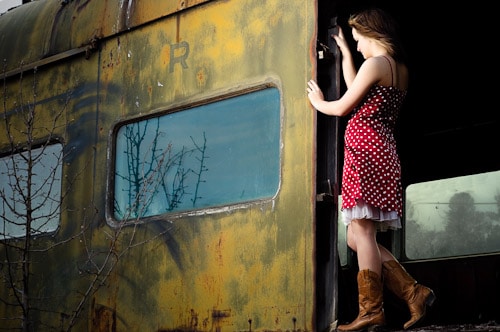
Journey On A Train, by Nick Franklin

Filed Under: Photo Biz, Photography Tagged With: alabama photographers, franklin, nick, photographer, Photography, professional photographers, rewards, risk, risks rewards

  • « Previous Page
  • 1
  • …
  • 15
  • 16
  • 17
  • 18
  • Next Page »

Subscribe To Tiffibox Treats!

Looking for a well-curated email newsletter that will leave you inspired and motivated about your photography business? Sign up below!

About Seshu

Seshu creates relaxed portraits of families and high school seniors in Avon, Connecticut. He also leads a successful headshot photography studio in Connecticut, helping professionals from a variety of disciplines project the very best versions of themselves. He created Tiffinbox as a way of inspiring photographers, to create better images and successful businesses. [Read More]

Email Templates For Headshot Photographers

Email Templates for Headshot Photographers

Recent Posts

  • How Capture One Changed My Event Photography
  • 10 Steps To Stay Positive In Times Of Great Stress
  • Why You Need To Read “Personal Branding For Photographers” Now
  • How To Master Your Website Content Step By Step?
  • Tony Taafe’s TNT Method For Headshot Photographers

Recent Comments

  • Stephen Davison on Are You A Business Owner Who Is Smart, But Stuck?
  • Ben A. on Don Giannatti Clinches The 8th Annual Tiffinbox Award
  • Dan on Don Giannatti Clinches The 8th Annual Tiffinbox Award
  • Donald Giannatti on Don Giannatti Clinches The 8th Annual Tiffinbox Award
  • Stephen Davison on G.E. Masana’s 6 Strategies For Wedding Photography Success
  • Naveen Kumar on Weddings In India Are More Than Being At The Right Place And At The Right Time
  • kartick on Weddings In India Are More Than Being At The Right Place And At The Right Time
  • Leonid Farbman on 6 Uncommon Trends To Grow Your Photography Business
  • Willow and Finch Wedding Photography on 11 Reception Tips To Help Your Wedding Photography
  • Web Designer Malaysia on How To Optimize Your Squarespace Website For Search Engines
  • Creastan on An Interview With Photojournalist G.M.B. Akash
  • Cindy Brown | Atlanta on An Open Letter To A Local Photographer

Become a Patron!

Copyright © 2026 · Tiffinbox · Site Design by Heather Mackan Creative · Built on Genesis