• Photography
  • Interviews
  • Business
  • Reviews

Tiffinbox

Inspiring Photographers

  • Home
  • About
  • Blog
  • Contact

Brooke Shaden: Fine Art Photographer & Philanthropist

April 20, 2015 by Seshu | Editor & Publisher

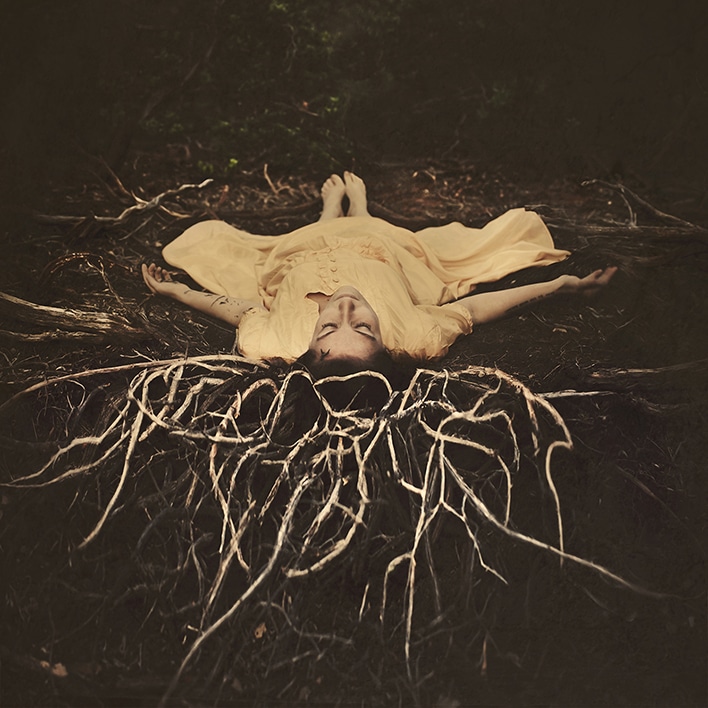
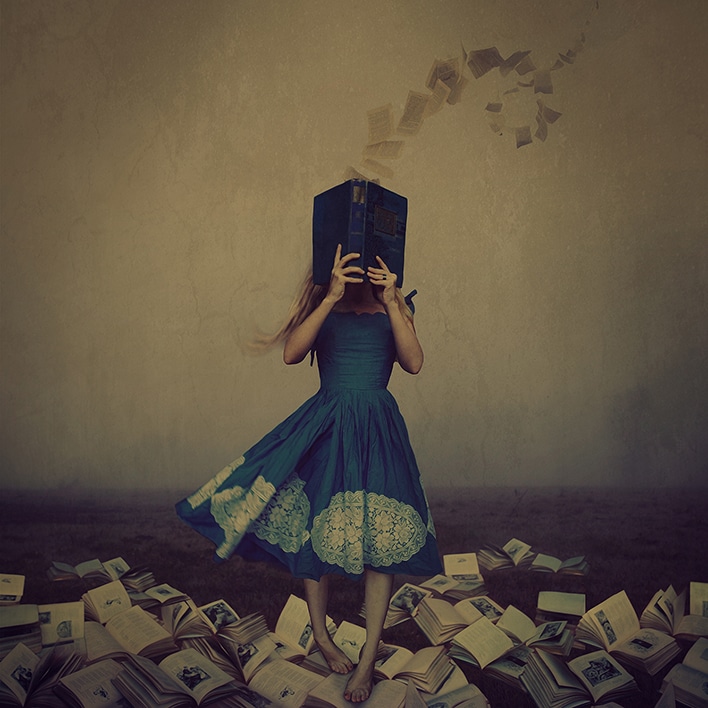
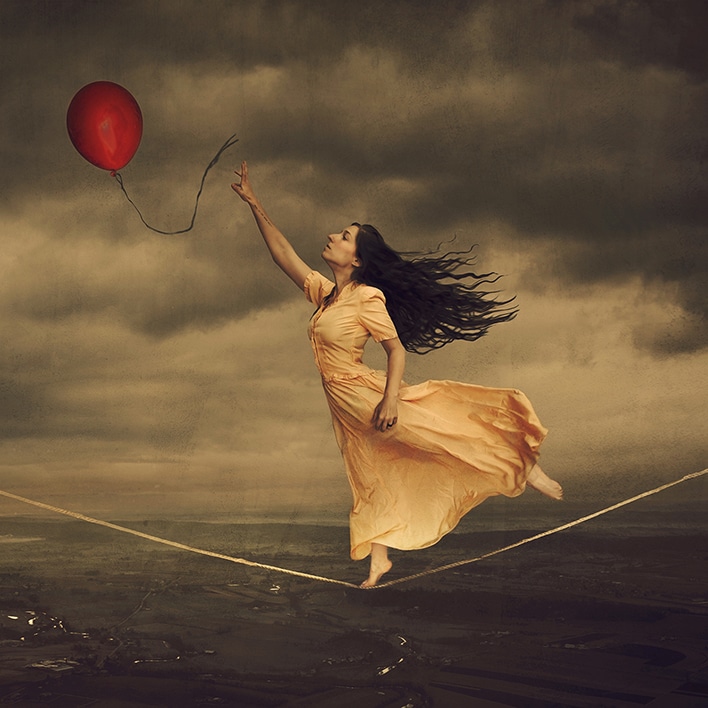
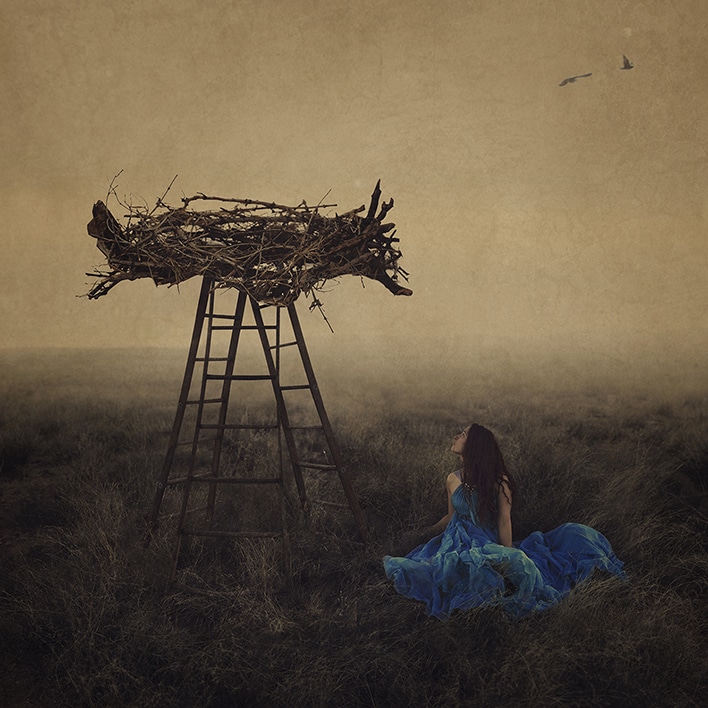
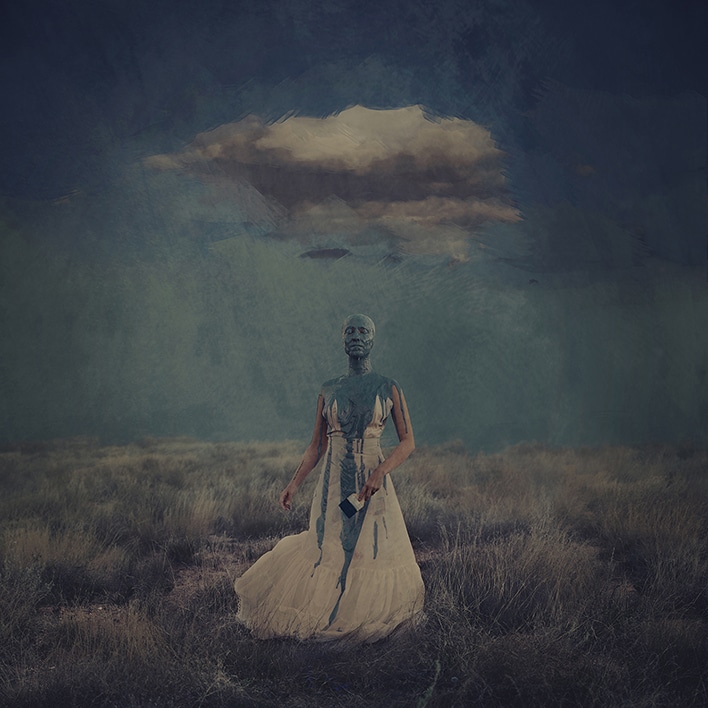
Brooke Shaden is a fine art photographer based in Arizona. Her photographs are dream-like, ethereal and definitely complex in tone. I'll be the first to admit that each work of art has the capacity to draw you in and hold you hostage.

From her own website: “Brooke works to create new worlds within her photographic frame. By using painterly techniques as well as the square format, traditional photographic properties are replaced by otherworldly elements. Brooke's photography questions the definition of what it means to be alive.”

Brooke and I got a chance to speak recently, in advance of her presentation right here in Connecticut. She will be speaking about her work, at the behest of CTPPA. Find out more about that event here.

We spoke about her work, of course, but also her background. You'll find out how and why her degrees in film and English have helped her create artwork that is filled with intent and meaning. And, you'll hear about how she is a philanthropist, donating her time to a wonderful causes all over the world, including one in Calcutta, India. In fact, if you would like to donate camera gear or money, she is appealing to your generosity here.

A small sample of Brooke's incredible work. For more go here!
Blue Sky Days: Brooke Shaden

Brooke Shaden: Character Of The World

Brooke Shade: Character Untold

The Dream That Dares Us: Brooke Shaden

The Protection Of Important Things: Brooke Shaden

Want to keep up with Brooke, then bookmark her blog, Promoting Passion now.

UPDATE: Brooke Shaden is coming back to Connecticut! She will be here on November 21st and 22nd to lead a workshop called Storytelling & Compositing Intensive at the New Britain Museum of American Art. For more information about this opportunity to learn from Brooke, contact Heather Whitehouse at 860-229-0257, ext. 203 or whitehouseh@nbmaa.org.
Filed Under: Art, Home Middle Right, Interviews, Photography Tagged With: Arizona, Brooke Shaden, Create Artwork, CTPPA, fine art, Fine Art Photographer, philanthrophy, presentation

Why You Should Consider Artist Residencies If You Are A Passionate Nature Photographer

December 21, 2011 by Joe Decker

Today's guest post is by Joe Decker, a nature photographer, writer and educator who lives in Northern California. Follow Joe Decker on Twitter to learn more about his workshops or read his blog. Learn about composition from him from his e-book, Tuesday Composition.

While I've had the opportunity to teach and work with hundreds of talented nature and landscape photographers, few if any of them ever consider artist residencies as a tool of developing their photography.

That's a pity.

Art Residencies by Joe Decker

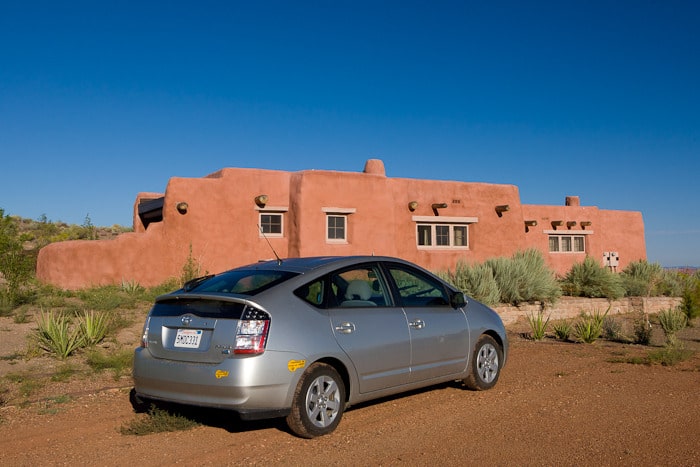
Residencies offer artists a place to stay and focus on art. This adobe cabin is used to house resident artists at Petrified Forest National Park

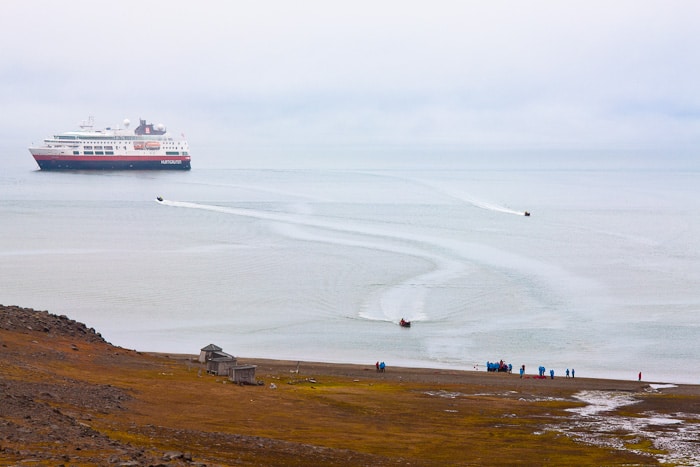
What are artist residencies?  Residencies are programs which grant artists a place to live while they focus on their work. These programs can take many forms. In some cases, these residencies are created by fine arts programs, many of those residencies pull in several artists at a time with the hope of encouraging interdisciplinary work or at least a sharing of ideas. Many parks and organizations that manage natural areas have residencies which are usually more solitary, but that put the artist in close connection with the landscape, in part with the hope of encouraging artwork that promotes and communicates the features of that park. Even some commercial concerns create residencies, my shipboard arctic residencies provided me incredible access to hard-to-reach areas of the planet, with the expectation that I'd also provide some work back in the form of workshops and material for a passenger DVD.

Art Residencies by Joe Decker

Residencies are offered by many types of organizations, from fine arts collectives and parks to commercial cruise lines.

Why do so few photographers apply for such opportunities?  Part of the disconnect is cultural. There has always seemed to be a quiet divide between the photography community and the fine art community, and while artist residencies are a staple of the traditional fine art community, they're rarely if ever talked about in the photographic communities I've been a part of. There's also a mystique factor, because of this “quiet divide”, Many times talented, creative photographers make the mistake of thinking that their work won't be accepted by something they perceive as being part of the snooty “fine art” world. in reality, most residencies, particularly those applicable to landscape and wildlife photographers, are juried by people who do understand the creative potential of the photographic medium, and see art more broadly than many photographers might imagine.

Of course, there are some practical challenges to accepting a residency. Not everyone can afford the luxury of putting eight weeks into nothing but developing a new body of artwork. However, many people, particularly many talented amateurs, could afford two or three weeks if they understood the value they could get from a well-chosen residency.

Why You Should Consider a Residency

Why would a photographer wish to invest a few weeks in a residency? The most important reason to consider a residency is the opportunity for focused time. Whether you're a professional or an amateur, it is unlikely that you get to spend nearly as much uninterrupted time making photographs as you'd like. Whether it's the “day job at the factory” or the usual grind of marketing and selling your photographic work, the inevitable distractions of day-to-day life really get in the way of digging deeply into a photographic project. A few weeks dedicated to a project can bring depths to your work.

Cost is another reason. Few residencies offer anything in terms of cash, but there's no question that the value of simply having a decent place to stay for a few weeks in an area you'd like to work is substantial. My arctic, ship-board residencies are probably the most extreme example of this, the cabin that I stayed in during my Svalbard residency this year probably would have cost around twenty thousand dollars if I'd paid for it retail.

Climbing Lizard by Joe Decker

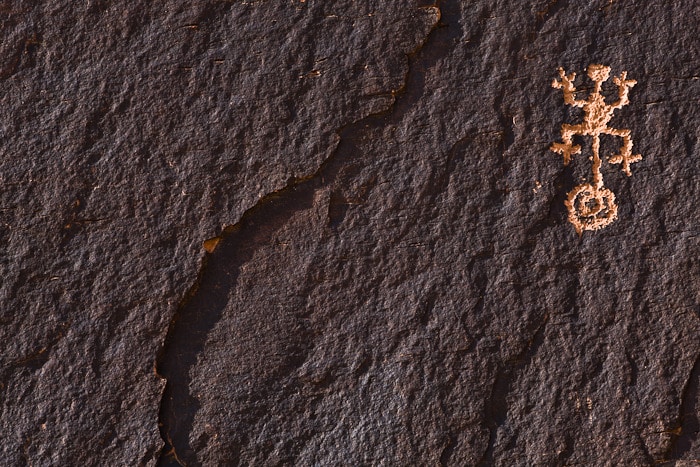
Some residencies offer access to unique resources, whether they be archeological, geological or cultural.

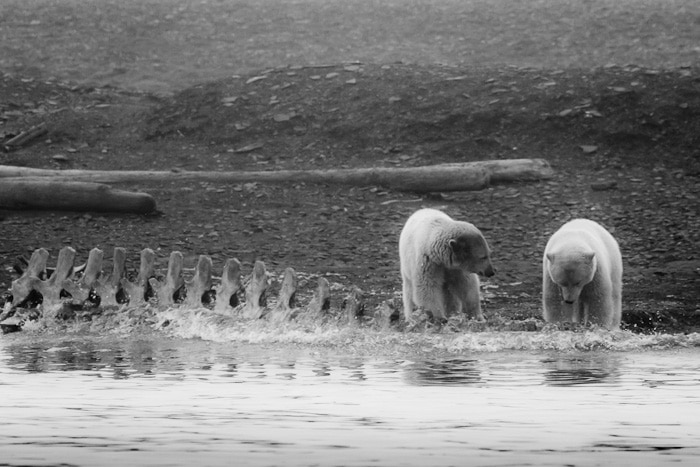
Which brings me to access. Every residency I've been awarded has offered me unique opportunities in terms of access to the locations I'd be working in. In my National Park residency, not only did I have the run of the park at night and sunrise t (when the park was otherwise closed to visitors), but I also had enormous support from the staff there, from access to their geologic archives to guidance on a couple hikes to lesser-known park locations, as well as access to many archeological resources. My arctic residencies included the support necessary to get me and my camera near to polar bears without risking my life.

Polar Bears by Joe Decker

Residencies often offer a variety of forms of other support, from access to art making equipment to support in getting to unique and otherwise inaccessible or dangerous locations.

How To Apply

First, find a program that's relevant to the kind of work you do, or at least the kind of work you'd like to do. You are more likely to be awarded a residency if it's clear how you and your work fits in with the opportunity being offered, and you'll are far more likely to benefit personally and professionally from a residency if the specific opportunity inspires you. If you're a wildlife photographer, you might want to skip that urban art center opportunity, unless you have a clear plan for applying your skills and interests to a new environment–and even then, you'll need to make a solid case in your application as to why you're the best person to benefit from the residency.

Carefully research each residency you apply for, and respond to each residency individually. In applying for my Petrified Forest residency, I proposed projects that both inspired me and that leveraged the unique features of that park, such as it's archeological resources and it's incredibly dark sky. The Park Service's own web site and in-park informational signage gave me a great deal of information about what they believed to be key features of the park, reflecting that understanding in my own proposal likely helped me win that particular residency.

Whether you're a professional or not, it is essential that you show that you're serious about your work. Few of these opportunities care about whether you make your living at photography, but all of them will care about whether you bring a serious, committed attitude to your art. There are many ways to show that in your application that don't require having been “in business” for ten years–have you being showing your work consistently over a period of time? Have you been published broadly?  Have you won awards or other recognition over time? Do you have references that can attest to the quality and longevity of your efforts?

Finally, don't give up. While there are a lot of residencies out there, there are also a large number of artists, not just photographers but painters, poets, sculptors and videographers often vying for the same slots. With effort and focus, you can take advantage of this wonderful opportunities to further your photographic efforts.

If you made it this far down, I have to ask you if you are now considering artist residencies to elevate your own craft. What, in Joe's article, moved you to make that decision? If you have any follow up questions for Joe, please feel free to ask him in the comments section below.

Joe has offered his e-book, Tuesday Composition, to one lucky person who comments below. Winner announced on December 30th.

Filed Under: Art, Nature, Photography Tagged With: Art, artist, artist in residence, artist residency, artist residency program, arts, Education, fine art, joe decker, landscape photographers, national parks, nature, nature photographer, nature photographers, photographer, Photography, residencies, residency, theatre

Photographers – Don’t Use Email Marketing To Market!

August 30, 2010 by Guest

Dean Levitt, AvatarThis is a guest post by Dean Levitt, Mad Mimi‘s Chief of Culture. Based in Brooklyn, Dean spends altogether too much time thinking about email, people, music and hanging out in the park.

I've always been a huge fan of poetry, especially the sonnets of Edna St. Vincent Millay. I think that the “aha!” moment with poetry came to me at the Boston Museum of Fine Art while strolling through a photography exhibit. I saw some line somewhere about photography capturing a moment in emotion (or the other way around depending on your outlook) and it kinda hit me how similar the two arts are. Poetry (at least the kind of poetry I enjoy) is a wordy photograph.

No one understands better how one medium can be two things than photographers. There's a world of difference between a “photograph” and a snapshot, miles between prose and poetry and a gulf between an email that “markets” and an email that reaches out and connects. That's what we do! We connect… Think of your email marketing service as a way to share, touch, explore and exhibit. Whether your art form is expressed professionally as a portrait or wedding photographer or in purely aesthetic shots for the joy of it, you can utilize the available tools to stay visible and grow (as a business and as an artist).

Poetry is a wordy photograph.

Our entire culture has moved into a system of immediate sharing. Via Flickr, Facebook, Twitter and email, we're constantly sharing and updating. This only gets annoying when we're bombarded by advertising, marketing and spam. Anyone still use MySpace? It's like trying to add a slogan into a rhyming couplet! Take a step back and think about the beauty inherent in the social mediums rather than the possible benefit to yourself.

Building an email with Mad Mimi provides an easy way to share with hundreds (or thousands) of people in moments but it's only really sharing when it's personal and sincere. Take advantage of these tools in our lives to give a moment of your time to tell your friends, clients, customers and potential customers what's on your mind, what you're thinking and what is coming up professionally and personally. It makes receiving an email more like a coffee break with a good friend.

Mad Mimi Email Marketing

Emails provide a lovely way to exhibit your latest works by embedding images directly into the email accompanied by the story with it; whether is the story of a lifetime captured in a portrait, or the love shared at a wedding. Your email becomes a gallery. It's like a wormhole really – an gorgeous powerful email received at a desk whips the reader into a gallery where the photographs transport the viewers out of their moments into the moment captured by you.

So stop marketing and be a photographer, even when you're being an email marketer.

Please do email me and I'd be happy to help you with the boring technical bits of building lovely emails!

Dean and Mad Mimi have been instrumental in my launching MANTRA, a monthly e-newsletter about my wedding photography. While an in-depth review of the service and my experiences will be published soon here, I went ahead and became an affiliate of Mad Mimi. If you were to click the links or the image in this post, I do get a small commission. Thank you and thanks to Mad Mimi.

Filed Under: Marketing, Photo Biz, Photography Tagged With: Business, dean levitt, e mail, email marketing, fine art, mad mimi, Marketing, newsletters, photographer, Photographers, photography exhibit, poetry, Wedding Photography, world wide web

Subscribe To Tiffibox Treats!

Looking for a well-curated email newsletter that will leave you inspired and motivated about your photography business? Sign up below!

About Seshu

Seshu creates relaxed portraits of families and high school seniors in Avon, Connecticut. He also leads a successful headshot photography studio in Connecticut, helping professionals from a variety of disciplines project the very best versions of themselves. He created Tiffinbox as a way of inspiring photographers, to create better images and successful businesses. [Read More]

Email Templates For Headshot Photographers

Email Templates for Headshot Photographers

Recent Posts

  • How Capture One Changed My Event Photography
  • 10 Steps To Stay Positive In Times Of Great Stress
  • Why You Need To Read “Personal Branding For Photographers” Now
  • How To Master Your Website Content Step By Step?
  • Tony Taafe’s TNT Method For Headshot Photographers

Recent Comments

  • Stephen Davison on Are You A Business Owner Who Is Smart, But Stuck?
  • Ben A. on Don Giannatti Clinches The 8th Annual Tiffinbox Award
  • Dan on Don Giannatti Clinches The 8th Annual Tiffinbox Award
  • Donald Giannatti on Don Giannatti Clinches The 8th Annual Tiffinbox Award
  • Stephen Davison on G.E. Masana’s 6 Strategies For Wedding Photography Success
  • Naveen Kumar on Weddings In India Are More Than Being At The Right Place And At The Right Time
  • kartick on Weddings In India Are More Than Being At The Right Place And At The Right Time
  • Leonid Farbman on 6 Uncommon Trends To Grow Your Photography Business
  • Willow and Finch Wedding Photography on 11 Reception Tips To Help Your Wedding Photography
  • Web Designer Malaysia on How To Optimize Your Squarespace Website For Search Engines
  • Creastan on An Interview With Photojournalist G.M.B. Akash
  • Cindy Brown | Atlanta on An Open Letter To A Local Photographer

Become a Patron!

Copyright © 2026 · Tiffinbox · Site Design by Heather Mackan Creative · Built on Genesis