• Photography
  • Interviews
  • Business
  • Reviews

Tiffinbox

Inspiring Photographers

  • Home
  • About
  • Blog
  • Contact

Vrutika Doshi Takes On The Chadar Trek In The Himalayas

June 28, 2016 by Vrutika Doshi

In this guest post Vrutika Doshi, a wedding photographer based in Mumbai, India, describes her trip to the Himalayas. Follow her on Facebook and Instagram.

I believe that nature has a lot to tell us all. It gives us different ways to see life. A photographer's eye always puts things in perspective as never seen before. And the wedding photographer that I am always see the colors and candidness of life in an artistic way. Nature presents the best candidness available in life with a lot of surprises hidden in it.

The Chadar Trek

Getting to Chadar was one such accidental surprise. Even though I have been for a couple of treks in India, I had never thought I would go for a trek to a place with temperatures of -25 to -30 degrees. I had seen the beauty of Tons Valley and the Spiti Valley in Himachal Pradesh, and experienced the silence and splendor of Pangarchulla in Uttaranchal before treading on the frozen river paths of the Zanzkar Valley in Ladakh, famously known as the Chadar Trek.

It was planned for a small group of 10 people, but ended up with 16 people in the Trek. The majestic views of the icy Himalayan peaks from the flight from Bombay to Leh was a sight to behold. If you ever travel to Leh, make sure to book a window seat which is on your left hand side. I got goose bumps at the nostalgic thought that these mountains were going to be my home again for the next 10 days and the temperature was going to be minus all the time through all the days of my stay.

Flying Into Leh

We were welcomed at the Leh airport by the spectacular sight of mountains all around us. We made sure our jackets were handy and got them out as soon as we landed in Leh.

We caught glimpses of the city of Leh on our way to the hotel. Two days of stay at Leh had been planned before the Trek started so that we could acclimatize to the temperature and the thin air (only 50% oxygen content). The acclimatization at Leh forms an essential part of the itinerary to able to complete the trek at Chadar successfully.

After getting some rest, we went to the market to try some local food. As we got out, we realised that most of the shops, homes and other places in the city were shut. We were told that people locked their houses and migrated to warmer villages for the winters.

A visit to the Theksey Palace in Leh was planned for the morning of the next day. Peace and serenity was all that one felt at this place. Standing at a considerable height, this monastic palace gives lots of opportunities for stunning photographs of parts of the city of Leh. We drove around to other parts of Leh to capture scenic photographs of the streams, river, mountains, trees and the golden mud homes of the people of this region.

At the end of the day, the entire group sat together to discuss a few important things about the trek, which was to commence the next day. We were briefed about the day to day schedule of the entire trek, and given some updates on the weather conditions by the organizer.

Step By Step, Taking On The Chadar Trek

Step By Step, Taking On The Chadar Trek

Step By Step, Taking On The Chadar Trek

Step By Step, Taking On The Chadar Trek

Step By Step, Taking On The Chadar Trek

Step By Step, Taking On The Chadar Trek

The First Day

We were ready by 7am the next day, pumped up and energetic, to achieve a goal that seemed as great as traveling to space. We were to drive to Chilling, which was the starting point of the Trek, in a mini-van. On the 3 1/2 hour journey, we halted at the spot where the Zanskar river and Indus River meet. The colors of the two rivers were distinctly different and as they merged, they turned into a third colour which was as fresh as the original ones. Further along the way we stopped again as there was a landslide on the narrow mountain road we were traveling on.

Our trek finally began with a minor delay of an hour. We were dropped off at the end of the motor-able part of the road along the mountain face. We climbed down the slope, walking on narrow ledges and rocky surfaces and finally made our first step on the frozen river in the valley.

We adapted slowly to walking on ice, trying to avoid a fall. The view of the frozen river was splendid. The ice sheet was about 4ft to 6ft in depth.

Our porters name was Tsanzin, as was the case with most porters there. One shout of the name and there will be 10 Tsanzins standing in front of you. The name is very common for porters in Leh. Our Tsanzin lead the trail and we would follow him in a line.

One of the trek members fell in the icy water while he was deviating to take another path. The dare-devil that he was, he enjoyed the fall and jumped into the icy river water again on the last day of the trek, even though it is highly discouraged. Some friends posed lying down completely on ice for photographs, while others were content taking normal pictures.

Since it was our first day on Chadar, we walked just about 3 kilometres. We already had traveled from Leh to Chilling by car so we cut it short for that day. Our kitchen staff had prepared some snacks and Kahwa tea for us, which is the speciality of Leh. The day was spent getting to know each other in the group and discussing the possible difficulties in the trek ahead.

Low Temperatures

Sleeping in tents in -25 degrees on the first night in Chadar is an experience that cannot be expressed in words. I was shivering like hell most of the night, tucked inside two sleeping bags. Don’t know if it was a dream or reality, but got some rest to start up for the next day.

Even as day time temperatures are comfortable enough with the sun and all the body heat generated through the walk keeping you comfortable, the night chill gets into your bones, no matter how many layers you wear.

The next day we woke up at 5.30 am with the morning tea served in our tents. The next struggle was going in the open for defecating. I am not a person who usually cribs, but in the cold I was, as they say, shitting in my pants.

In the entire duration of the trek, our hands and feet were to be covered all the time to avoid any chances of frostbite. The extreme conditions are not hard to beat. With multiple layers and sensible trekking, the Chadar trek is not very difficult to complete. It requires mental preparation and a strong will. What sets it apart is its unique experience.

A Geographic Splendor

We caught our sticks to get to our next destination and started to walk after some good breakfast. There were meandering frozen paths and few broken ice paths. Walking step by step, you realize different meanings of silence. The sky there is perpetually bright blue in colour and the mountains form different textures at every turn.

Next, we came across a frozen waterfall. It was the first time I ever witnessed such a phenomenon and was hoping to see to bigger version of it ahead. I got some photographs of this art created by nature.

By now we had gotten used to the cold during the day. In the afternoon we would get our lunch, which was mostly packaged food items like Maggi noodles and pasta accompanied by snacks and sweets we carried from home. We caught some rest and got back on our feet again, ready to march on. Once we reached the site for camping for the day we got to our tents that the porters had set up for us. At night, the porters lit a bonfire for the group, which seemed a necessity rather than a celebration.

I would like to mention that the sincerity and dedication of the porter community on Chadar was absolutely astounding. Every time you pass them they will greet by saying ‘juh ley’ which means ‘hello’. They helped the trekkers, irrespective of which group they belonged to.

The night was a contrast black sheet of sky. The stars glittered and gleamed in heavy clusters. We gazed around the sky to catch a few shooting stars. The galaxy was before us in its flawless avatar. I set up my equipment to shoot star trails and got some splendid shots.

Wrapping Up The Trek

We covered up quite a few kilometers in the subsequent days, our schedule remaining similar. The frozen river and the magnificent gorges got more stunning in views, the deeper we trekked on Chadar. Ice crystals, frozen waterfalls, purple, green and yellow stones seen under clear sheets of the frozen river, extravagant mountain faces, and many natural wonders made up for most of the sights.

As a candid wedding photographer I thought to myself for this place to be just perfect for a pre-wedding shoot. I could imagine the portraits of a couple that could be shot here. The adrenaline they would be feeling combined with the natural beauty would produce the most amazing expressions.

On the 6th day of the trek we realized that the Chadar was broken. There was no way to go further till the Nerak village, which marked the last site on our itinerary. We were greatly disheartened by our luck, as we were not ready to let go of the idea of not completing our trek. But nature follows its own rules and we were forced to camp on a site much before Nerak. It was very disappointing, but we had to turn backwards for our return journey the next morning. That night we had a great time with our fellow trekkers around a raging bonfire and a few drinks, dances and stories.

Everything about the Chadar Trek is unique – the sights, temperature, environment, the frozen river, sledges, unusual camp sites, caves and the ever changing Chadar. So unique that it has to be experienced. Even though we never made it to Nerak, we ended up making some good friends and some great memories. But as grass is greener on the other side, I would surely make another trip and cross Nerak.

Filed Under: Home Middle Right, Photography, Travel

Pete Wright Wrote The Book On Cinematic Portraits

June 18, 2016 by Seshu | Editor & Publisher

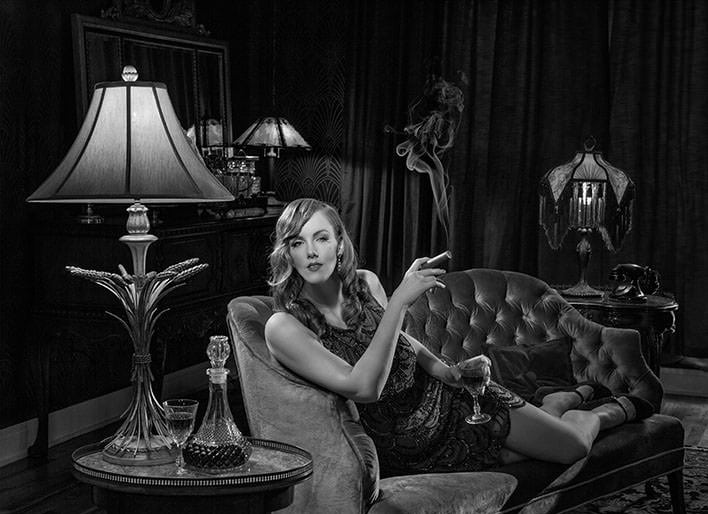
Pete Wright, a photographer, teacher, speaker and author, is obsessed with everything George Hurrell.

Glamor Portrait Photography

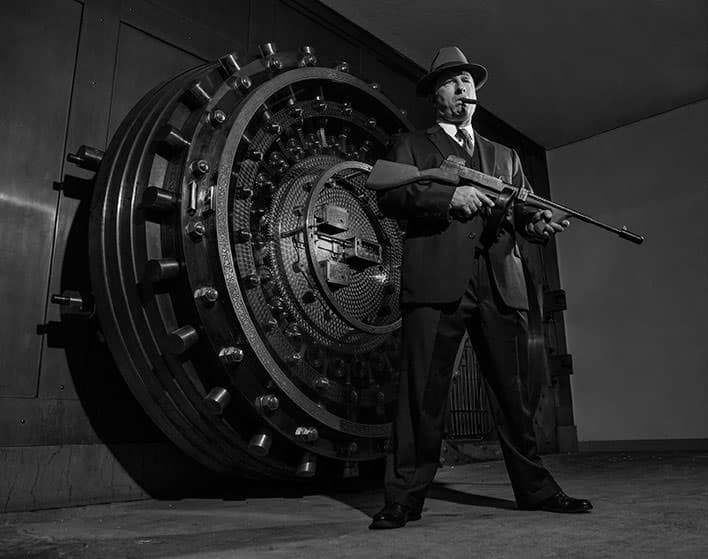
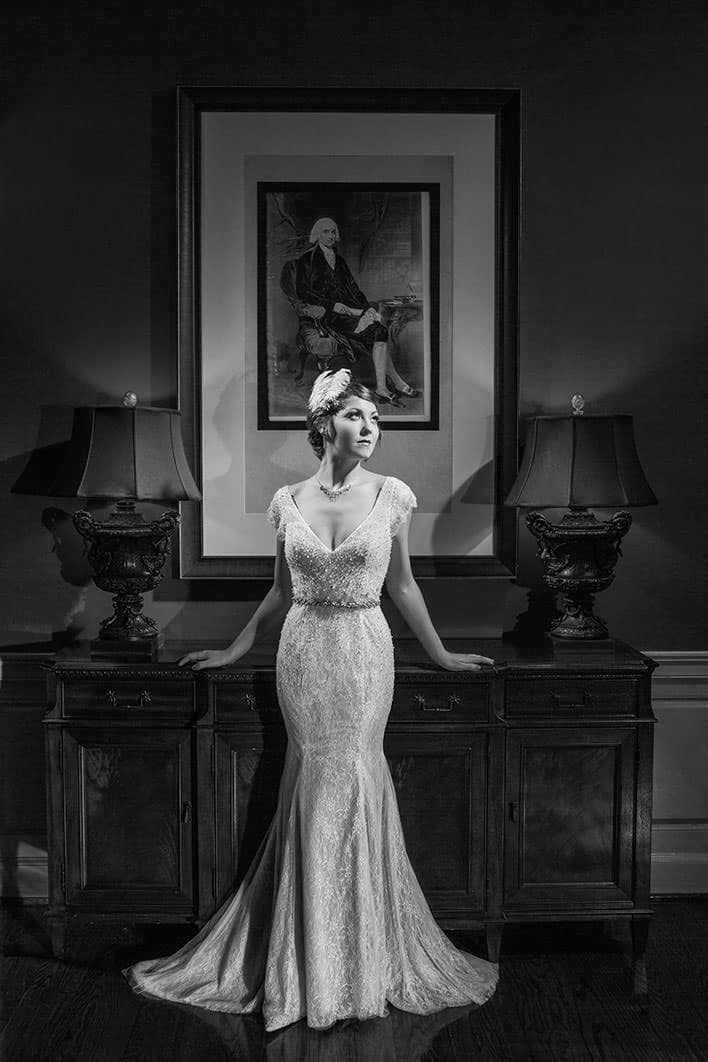
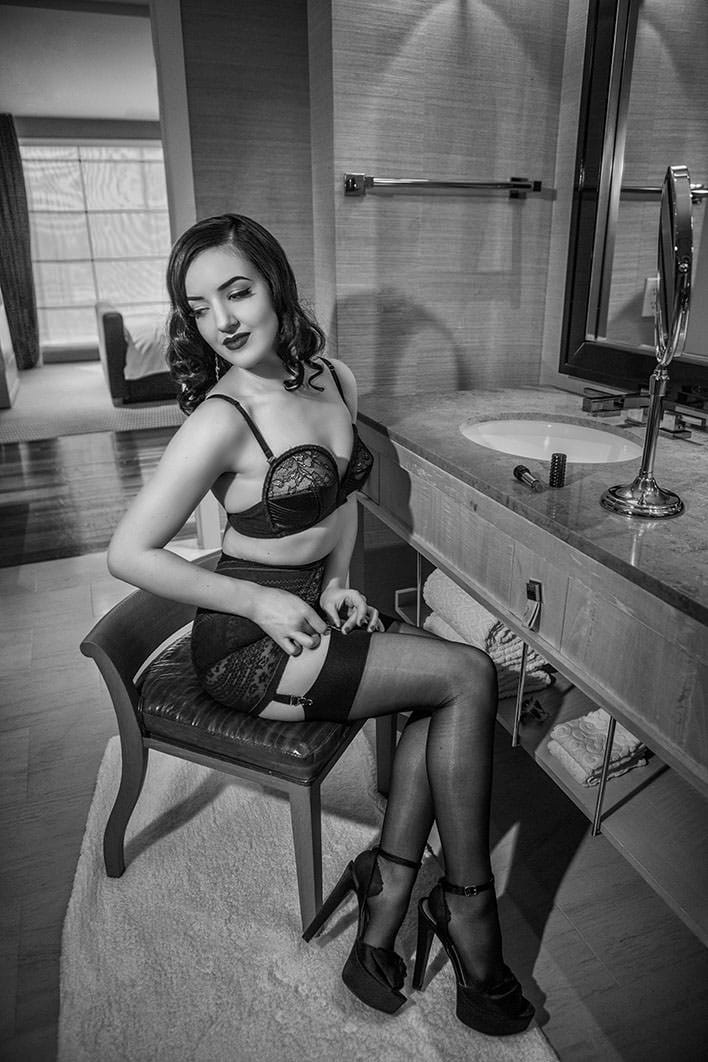
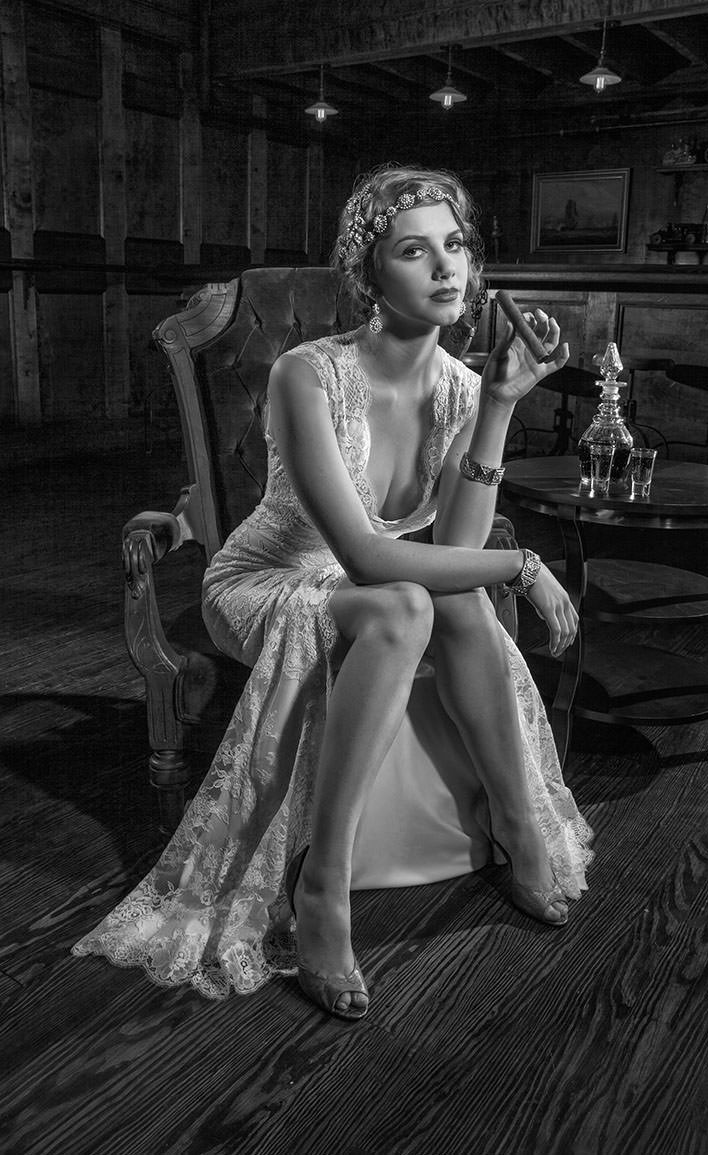
Cinematic Portraits by Pete WrightIf you think of glamor and Hollywood these days, you might think of Annie Leibovitz and you wouldn't be wrong. But for Pete Wright, almost all of us portrait photographers need to tip our hat to Mr. Hurrell who was a pioneer in cinematic portraits.

Yet, Pete Wright has his own spin on the genre of cinematic portraits. He essentially wrote the book on the topic.

From Goodreads:

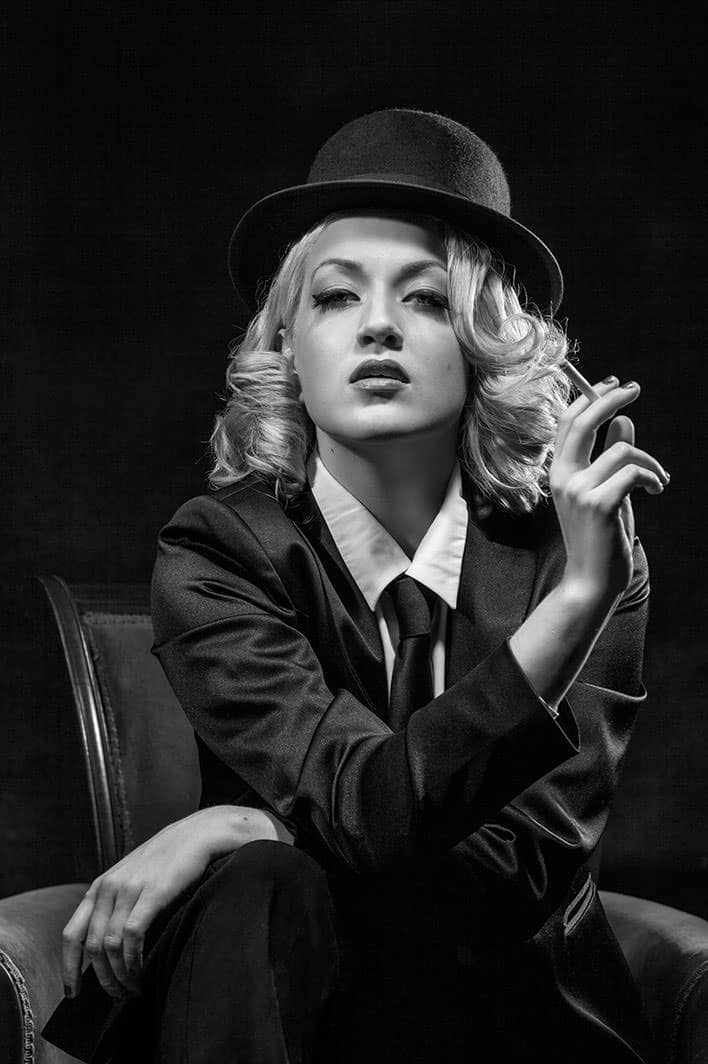
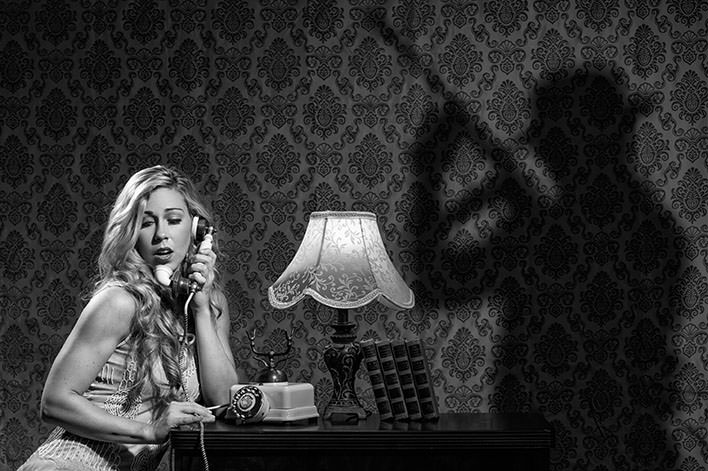
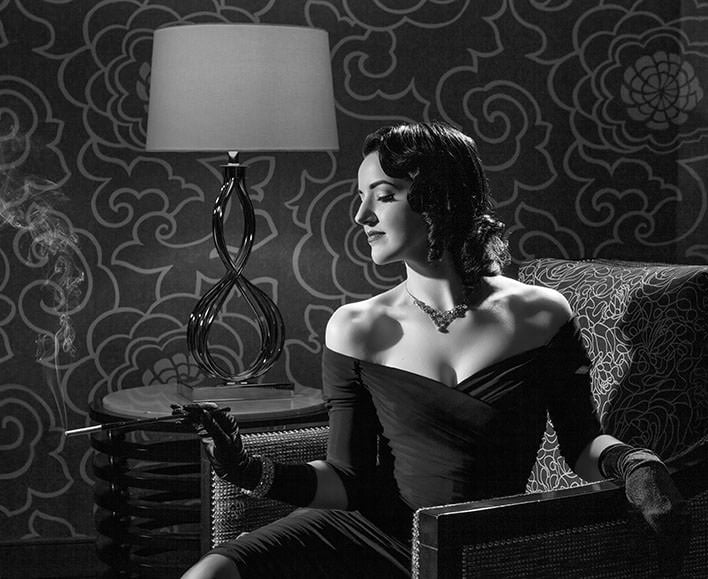
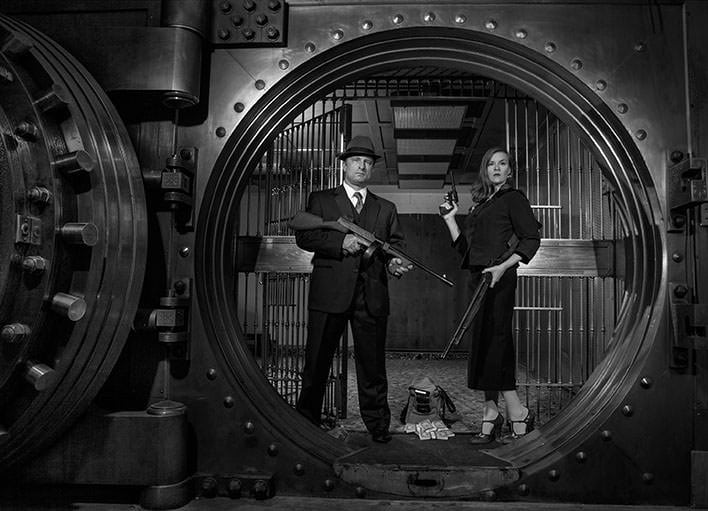
Pete Wright teaches you how to re-create mysterious, dark, and glamorous cinematic portraits reminiscent of those taken of 1920s’ and 1930s’ stars and starlets. The book contains 60 discrete sections which contain 60 of Wright’s most impressive, nostalgic black & white portraits, along with some alternate poses and lighting diagrams. In each section, the author details the steps taken to create the final portrait.

The Interview About Cinematic Portraits

When I found out that he was going to be presenting a workshop for CTPPA members on June 22nd, we hastily made arrangements to speak about cinematic portraits, his connection to Canon and how he is now on the road for most of the year bringing photographers full circle – teaching them about capture, processing and printing their artwork.

It's quite a mission and I applaud him and Canon for it. If you are in or near Connecticut on June 22nd and June 23rd, register for the workshop and do NOT miss this opportunity to learn from a master craftsman.

Pete Wright's Portfolio

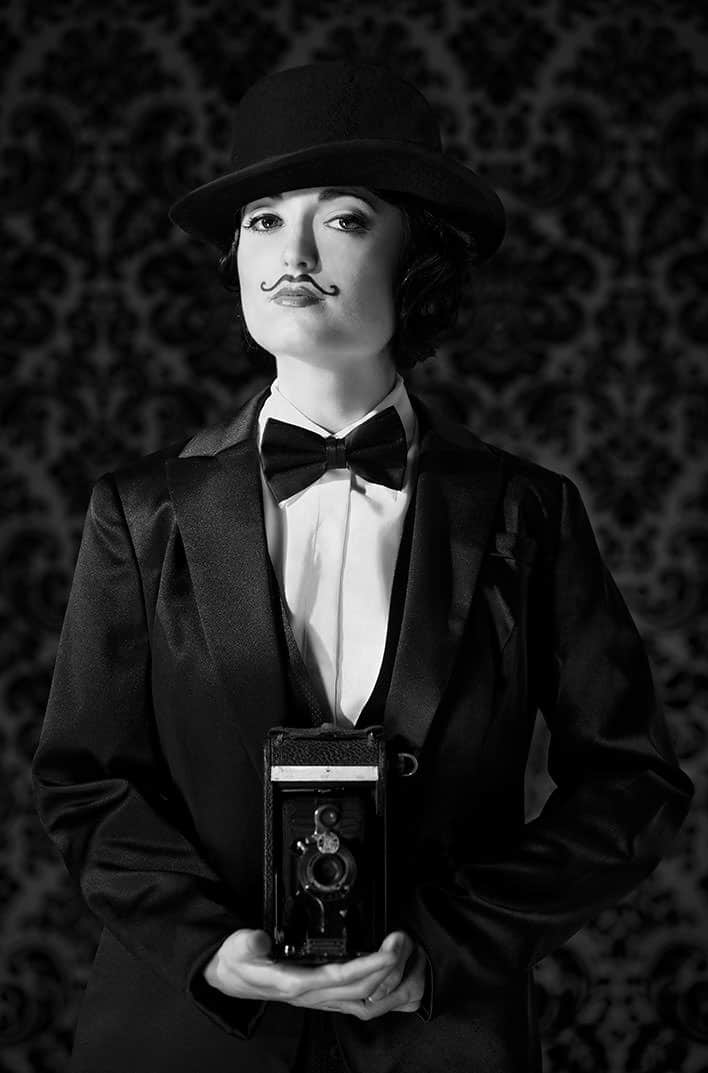
Please visit Pete Wright's website for even more examples of his cinematic portraits. Here is a small sample for your viewing pleasure!

Pete Wright, Cinematic Portraits

Pete Wright, Cinematic Portraits

Pete Wright, Cinematic Portraits

Pete Wright, Cinematic Portraits

Canon Cameras & Lenses

Pete Wright, Cinematic Portraits

Pete Wright, Cinematic Portraits

Pete Wright, Cinematic Portraits

Pete Wright, Cinematic Portraits

Pete Wright, Cinematic Portraits

Pete Wright, Cinematic Portraits

Pete Wright, Cinematic Portraits

Register For the CTPPA Workshop

Buy The ELB400On June 22nd and June 23rd, you can learn the skills to create your own version of cinematic portraits. But you must register today!

In addition to Canon's sponsorship of Pete's presentation over the two days, we have to thank Elinchrom for making their studio strobe equipment available to participants.

If you have any questions for Pete Wright about cinematic portraits, please comment below.

Filed Under: Featured Post of the Day!, Interviews, Photography, Portraits Tagged With: black and white, canon, Elinchrom lighting, fashion, George Hurrell, glamor, Lighting, Pete Wright, Photographers, Photography, Portraits, printing, style

Why Does Laura Siebert Get Real With Her Family Portrait Clients?

June 6, 2016 by Seshu

With the season turning from spring to summer, I'll bet you have a lot of family portrait sessions scheduled. But the one thing that I was nervous about as I was getting started in family photography was how to pose my clients.

Laura Siebert & FamilyOne photographer and teacher who helped me in that regard is Laura Siebert. I initially bought her excellent workbooks, but when she made plans to be in Connecticut to conduct a live workshop, I signed up right away.

Given the timing, I figured it was appropriate to interview Laura about her background in family photography, her workbooks and her workshops.

Tell us a little bit about yourself. Where are you based, how did you get your start in family portraits? Why is it important for you to photograph?

I started my business in 2005. I had begun hand painting black and white portraits as a small side business while I was a nurse. I had been photographing my own child with a film camera to have portraits to practice on and gradually my hand coloring clients began requesting me to also photograph their children for their hand colored portraits.  By September of 2005, I had switched entirely over to portrait photography with only an occasional hand painting commission. I am currently based in Denver, CO but maintain about a 50/50 client base in Denver and St. Louis, MO where I started my business.

1) As a family portrait photographer what challenges you the most and what techniques do you use to overcome them?

Family portrait photography used to scare me. A LOT! I have always been comfortable with kids, transitioning into photography from a pediatric ICU nurse. But I used to actually refer out that proverbial “family photo”.  I think the most challenging thing for me is the grumpy dads or the frazzled moms. I overcome both by explaining in a pre-session consultation and also at the beginning of the session that we are here to have FUN and it will be quick and painless. By getting the full family images out of the way first, it reassures mom that we have THE shot that she was most stressed about. I then move on to dad and kids so that dad is finished quickly.

2) What is it about photographing families jazzes you the most?

I think it's really, really awesome when you can get the whole family together and interacting with each other for an evening. No texting, no sport practices or conference calls. Just THEM. Just them actually being with each other and having fun. I enjoy capturing these interactions and knowing that when they look at the photos, it will bring back actual memories of this evening of family time.

3) What tools do you typically gravitate to the most when photographing families?

I use Canon 5d Mark 3 with an L85 1.2 about 80% of the time. With Canon 70-200mm and Canon 24-70mm making up the other 20%. I use reflectors occasionally indoors but not outdoors. Mostly I like to keep it as simple as possible by finding the correct light to begin with. 

4) Tell us about the books you have written. Get Real and Get Real 2 – what is your intent with both of them?

When I was about 2 years into my business, I realized that I couldn't be afraid of family images if I wanted to stay viable as a business. I can't say exactly how or when it dawned on me except for that one Fall busy season, something just clicked and I started treating every family session with a formula of game playing. I found that by making everything a game and having a pattern/plan for every session helped me be more confident. It also resulted in much more natural smiles and allowed for many more beautiful “in between moments” to be captured.

Over the past 9 years, I've really perfected this concept and wanted to share the method with other photographers. Get Real teaches how to approach a family session from pre-session forward that allows everyone to be relaxed and have a lot of fun at their session by playing my proven games. My style of “posing” is guided but loose. I teach photographers some good base poses to start your clients in before playing games that are time tested to result in amazing, connected family portraits.

Get Real has all of that information: pre-session client education, how clothing can make or break a session and how to communicate that to your clients, base poses and lots of games. It also has a section on difficult situations and how to overcome them.  Get Real 2 is a supplement containing 27 more games that I've come up with and been using at family sessions since publishing Get Real.

Get Real: Laura Seibert Worshop In A Book - Creating Family Portraits That Are Engaging and FunGet Real 2: Laura Seibert Worshop In A Book - More Games For Creating Family Portraits That Are Engaging and Fun

5) After Get Real was launched, what kind of a response did you receive? What were photographers saying to you?

Get Real was an instant hit, especially with seasoned photographers who were looking to really take the emotion in their family work to a new level. There aren't a lot of educational materials out there for established, experienced photographers and they have been so verbal in their appreciation. From newer photographers, I am told over and over how they now look forward to family sessions rather than being afraid. I also get “love letters” about how this method has finally allowed photographers to photograph their OWN children and husbands without resistance and with fabulous results.

6) In their essence, what do your workbooks Get Real and Get Real 2 achieve?

If I were to sum them up as a pair: Learn the systematic, reproducible “secret formula” to family sessions that results in truly connected, emotional portraits that leave everyone feeling happy, refreshed and willing to come back year after year!

7) Why are games so much more successful than “posing” people?

I think people get really nervous and self-conscious when they think they are supposed to “smile”. Or they think THEY have to spontaneously do cute things with their kids. They feel put-on-the-spot. When you make the whole session a series of games, the clients can relax and let you run the show because they can feel that they are being adorable and photogenic while they play your games.

8) When a photographer starts to learn from these workbooks (workshops in a book, essentially right?) what strategy do you suggest works best?

Yes, I've been teaching workshops since about 2008. And all of the information I cover in my 2 day workshop is contained in the 4-book set. I decided to break the books into smaller, digestible bits for those people who can't attend a workshop or for those who may only be interested in one or two aspects of the workshop. I think the strategy really depends on where the photographer is in his/her journey. Do they really understand their camera and it's settings? If not, they should start there (my workbooks and workshops are based on the premise that the photographer understands camera exposure and settings). The next question should be if they understand light in it's most basic form. Seeing where it's coming from, whether it's harsh or soft, whether it's drastic or feathered, etc.

If they don't feel like their images have consistent lighting, then Lighten Up would be a great place to start for outdoor portrait photographers. Lighten Up also covers my editing process in detail. Two of the things I'm most often complimented on are the emotions in my portraits (Get Real & Get Real 2) and consistent, natural, even skin tones (covered in Lighten Up).

For photographers who live in areas where shooting indoors for some or most of the year is necessary, I recommend Step Inside. It contains information on utilizing natural light inside client homes (or a natural light studio) including intimate, small space games and posing, lighting and post processing.

Lighten Up: Laura Seibert Worshop In A Book - Processing & Enhancing Family Portrait PhotographyStep Inside: Laura Seibert Worshop In A Book - Creating Family Portraits Indoors

9) How is the Get Real series different from your other book, Lighten Up and Step Inside?

I think the Get Real series is more practical information that anyone can utilize at any skill level. It's the human side of photography. Lighten Up and Step Inside dig more deeply into the technical side of things with lighting and post-processing.

10) Your workshops on location are just as popular as your books. When are you coming back to the Northeast?

That's a great question! I was in Connecticut in 2014 and New Jersey in 2013. I really enjoyed both locations. My workshop schedule is really dependent on my family schedule and whether I can “get away”. I don't have any workshops planned at this time (subject to change at any time).

11) Using the techniques in your Get Real books, what has been the client response to the games you prescribe for photographers?

They love them! I know I keep harping on this, but … especially dads! Here is a quote from an actual dad client:

“There is almost nothing that I can think of that I'd rather not do than family portraits. But I was pleasantly surprised that Laura made the session fun, easy and best of all-fast!  When we saw the photographs, it was so incredibly worth it.” – John from St Louis who, in full disclosure, was bribed by his wife to provide feedback for me. He was not told WHAT to say though. Ha!

Kids also really love the games. Believe it or not, the tweens and teens are some of my biggest fans. I think because I make them ALL feel silly and let loose, they don't feel self-conscious. It's important for the photographer to be silly too and laugh along with them.

Here is a quote from a mom about her tween/teen trio: “I'll never forget the first time I took them to meet Laura for pictures. I was stressed, yelling, not a great start… They were dreading it. After pictures we got in the car to leave and one of the kids said, ‘That was really fun!' in a surprised voice. The other two chimed in in agreement. They never worry about photos now. They always turn out great and it's never stressful. ~Kerri

12) In your opinion, why are family portraits important?

Oh gosh, why AREN'T they? Yes, we have a million and one ways to “document” our lives now. Snapchat and Instagram and Youtube and … But professional portraiture is still the best way to capture the whole family for generations to come. Having professionally printed and framed portraits in a home sends a message to the children that “Our family is important. We take time out of our lives to remember who we are TODAY as a family, because we are never promised tomorrow and because we will always be changing.”  

There is a wonderful song by Johannes Stankowski that sums up my feelings about this in a couple sentences: “The years are flashing by and everything will change. But way down deep inside, we all just stay the same. Old memories come alive and then we know.” Video of the song below for your listening pleasure!

Workshops In A Book

Interested in buying Laura's “workshops in a book”? Click this link or click on the graphic below! Thank you!

Laura Siebert Family Portrait Workshops In A Book

Filed Under: Featured Post of the Day!, Interviews, Photography, Portraits

Discovering Your Neighbors Next Door, One State At A Time

May 24, 2016 by Seshu | Editor & Publisher

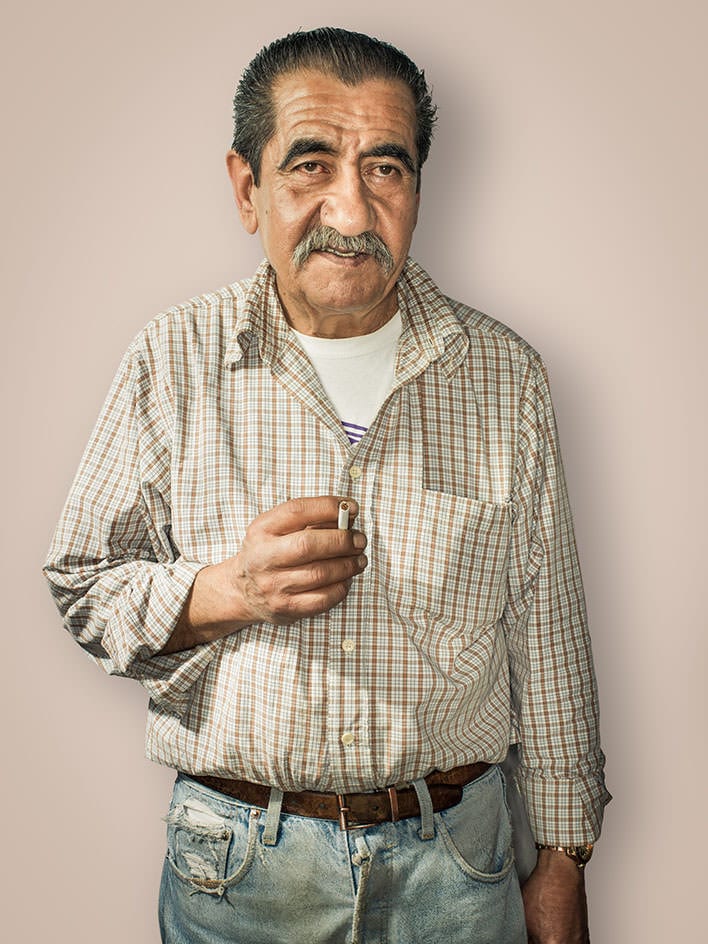
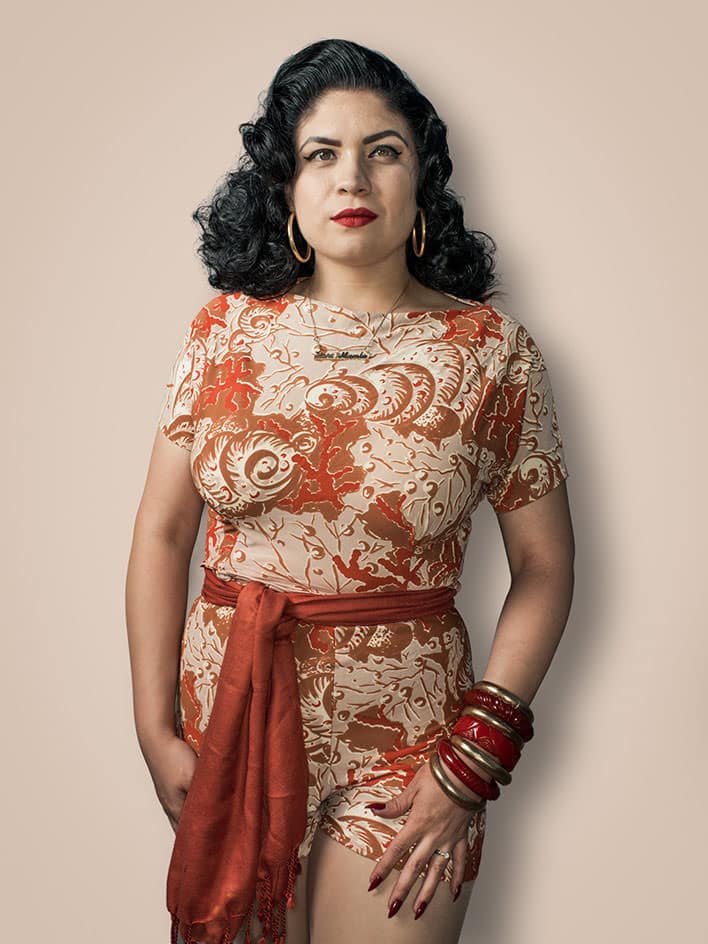
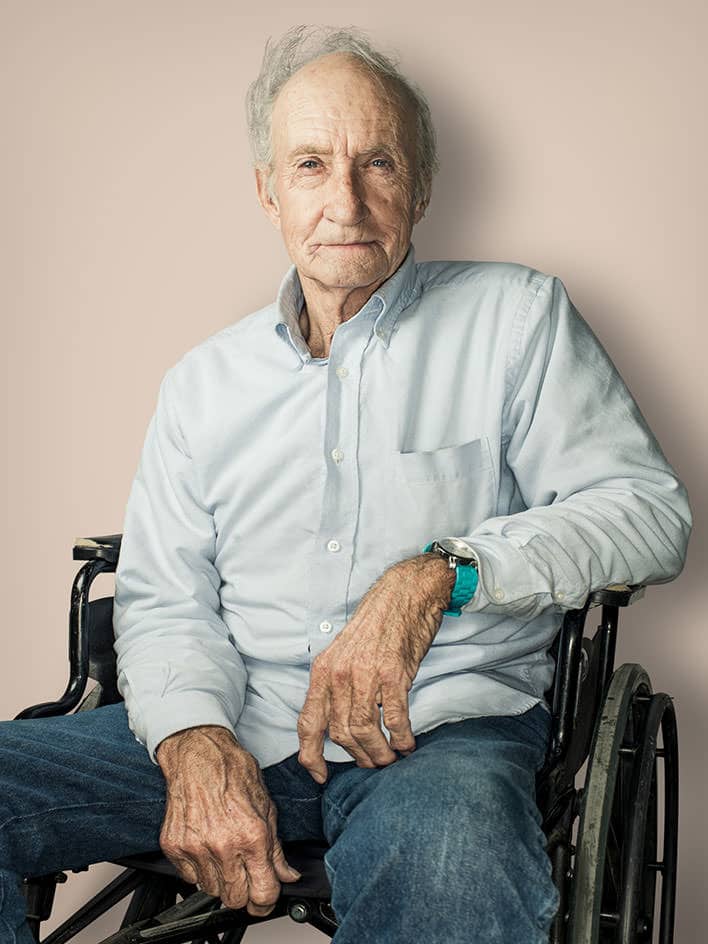
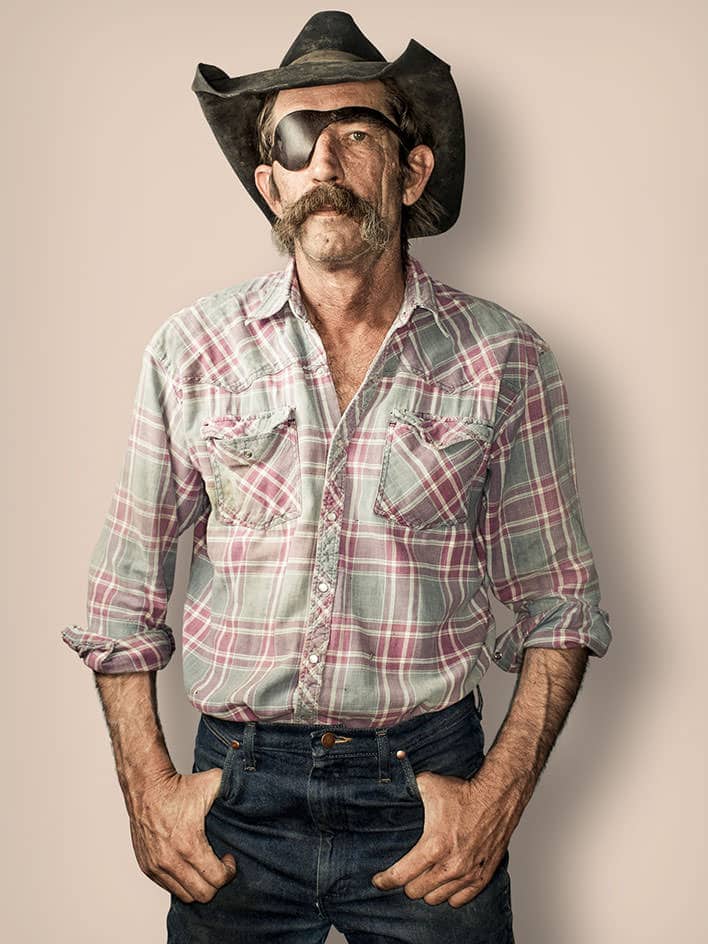
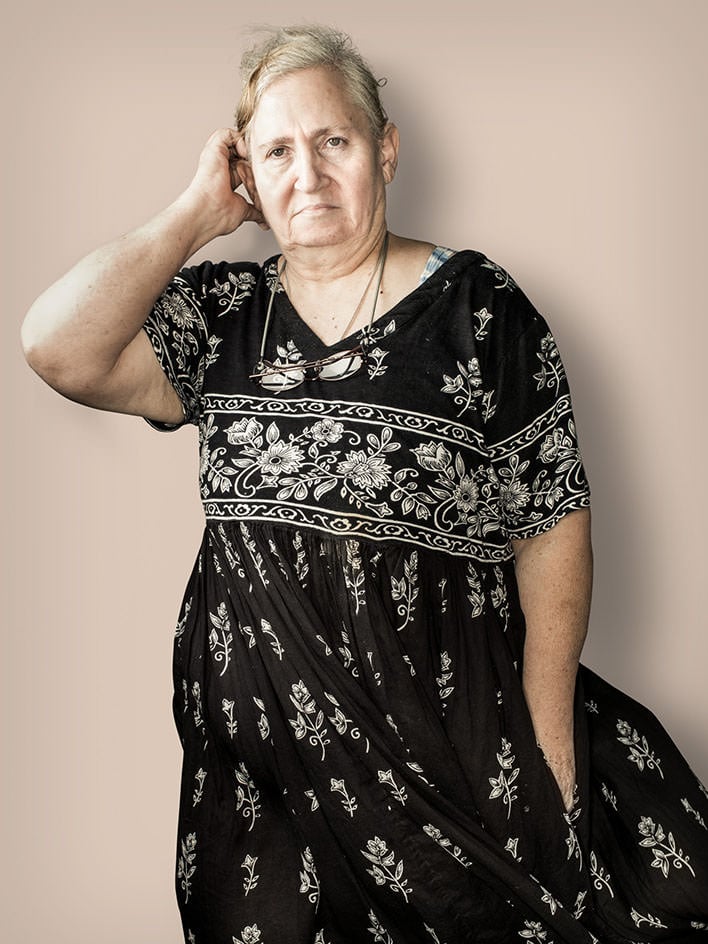
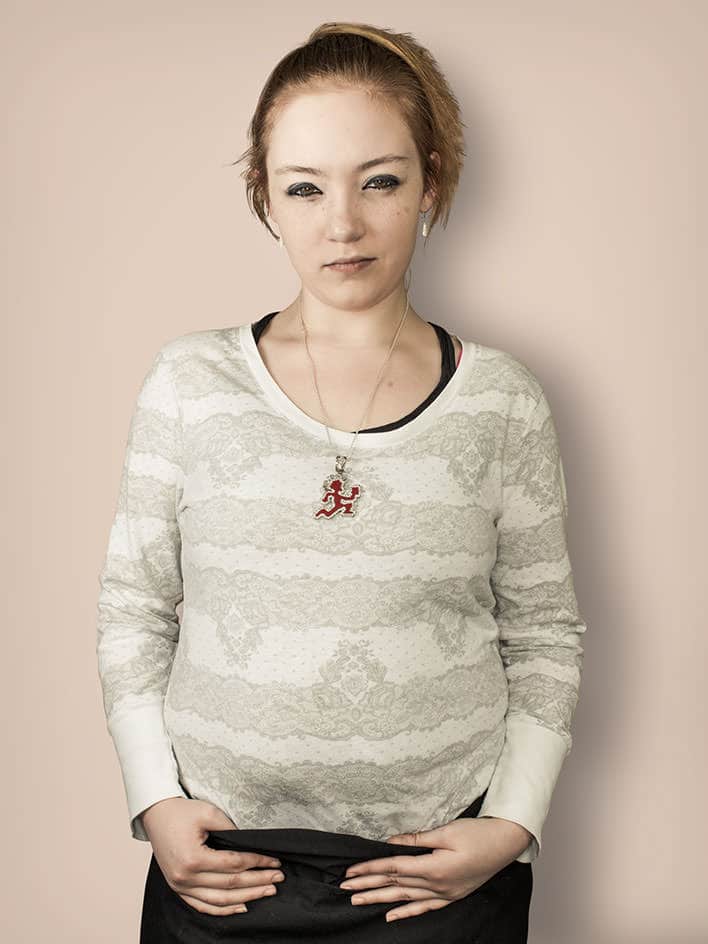
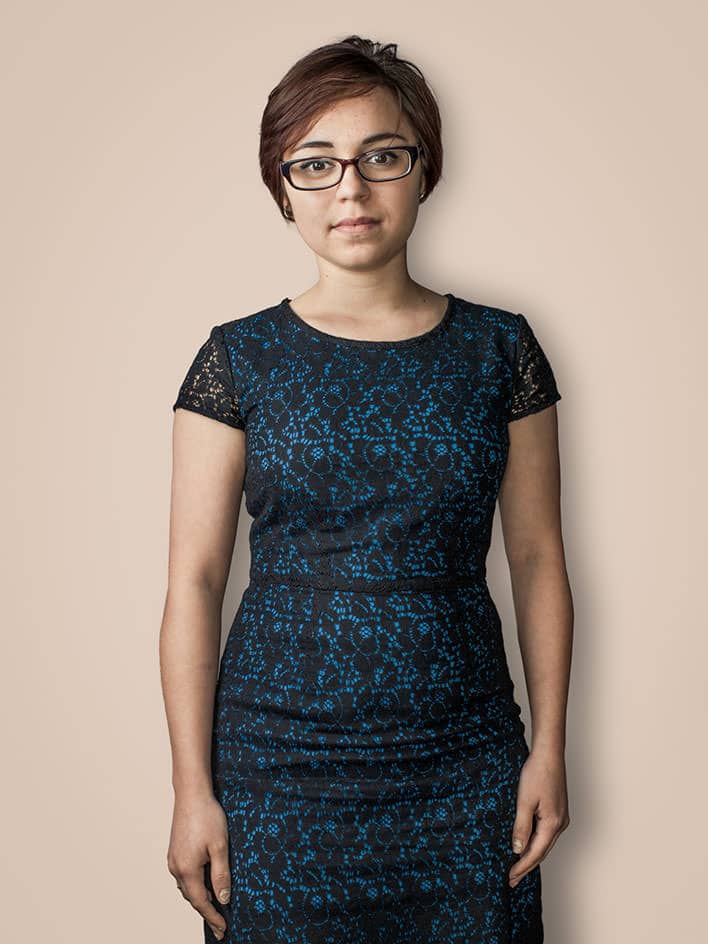
Commercial and portrait photographer John Mireles is based in San Diego, but he is on a mission to visit all 50 states for his Neighbors portrait project.

When Photo Projects Are Personal

“Neighbors” is a personal project, grown out of the need to stay creatively engaged in photography as well as to prevent burn out in the industry. But it isn't John Mireles' first long term photography project.

A few years ago he drove from southern California all the way to North Dakota, to discover and photograph oil workers in the Bakken oil fields. At the culmination of that project, Mireles published a book called The Bakken.

It's impressive work, no doubt, but I imagine they weren't easy to produce. Persuasion, charm, efficiency and professionalism perhaps were all factors in aiding John's efforts on that trip. And he is feeling that itch to get on the road again.

This time, he started photographing his neighbors in San Diego. He wants to continue setting up studios in different locations across the US, to photograph even more people; giving them a face and a voice to express themselves.

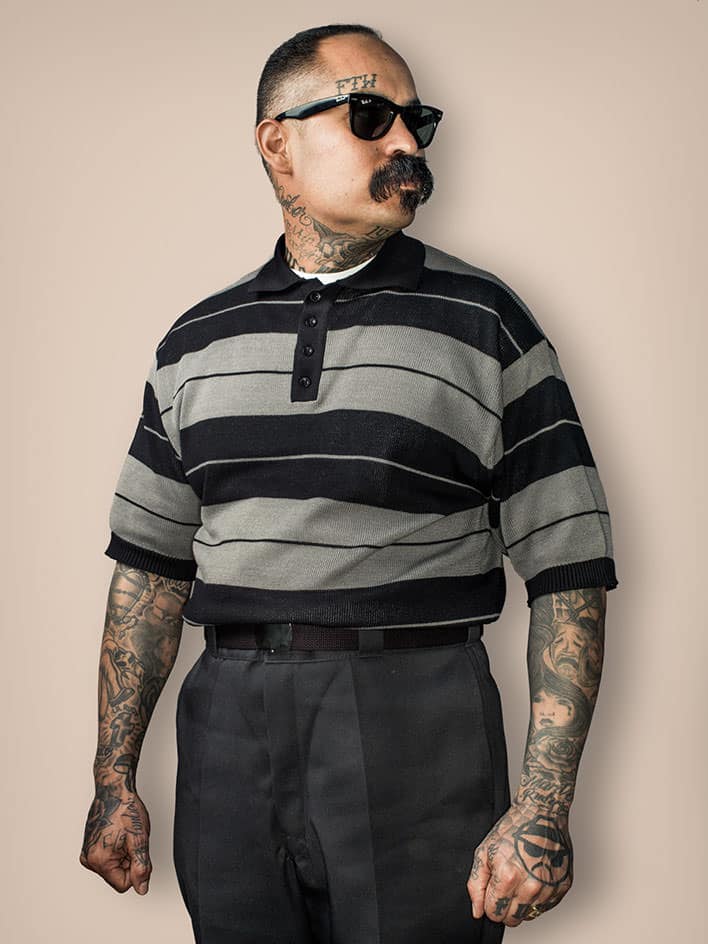
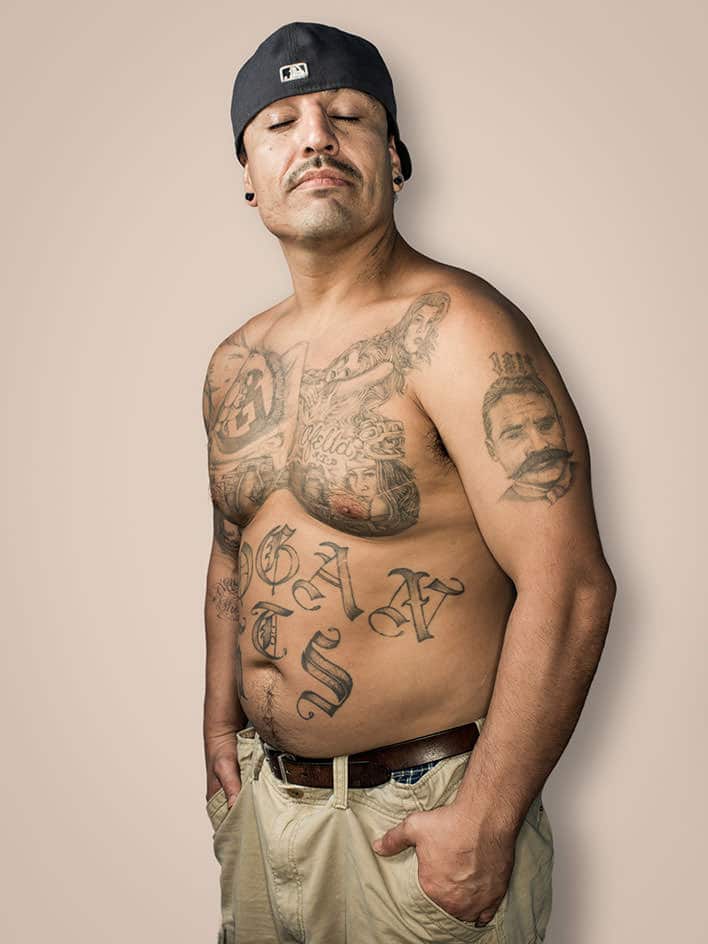
Take for example this striking portrait of Chuco that John created at Chicano Park Day in San Diego.

John Mireles: Neighbors Portrait Project

Mireles writes about Chuco in his blog:

The gang life lost its importance however, once he began to raise a family. His wife and kids – he has four now – became the focus of his life and he took to it with all the seriousness with which he formerly administered his gang life.

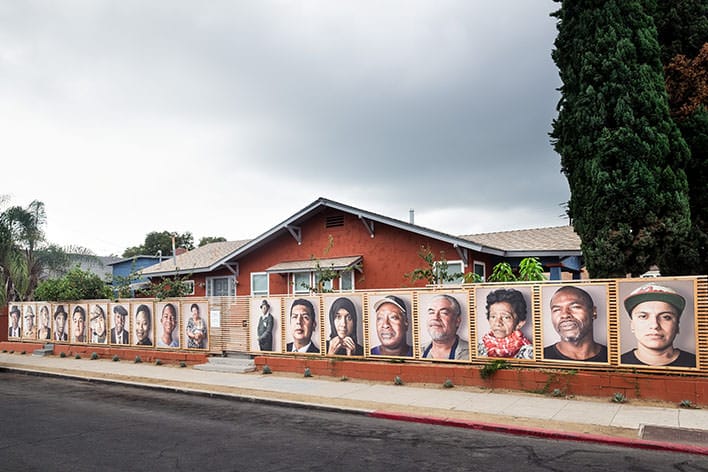
The portrait is one of many Mireles has created. But he doesn't stop there. He prints them and then displays them on his fence for the whole world to see.

Neighbors began as a series of portraits taken on the streets of a lower income community in San Diego. Instead of focusing on attention grabbing characters, I chose as my subjects the everyday people who constitute the backbone of the community. Afterwards, I displayed these tightly cropped portraits at 4 feet by 6 feet in a prominent location available for all to see.

John Mireles: Neighbors Portrait Project

Check out this short documentary about John creating these large portraits:

Again, pretty impressive. All of this as you can imagine takes a fair share of financial resources. This is where he needs our help. He has set up a fundraising campaign that will help him finance this new project. Having seen his previous accomplishments and what he is able to produce, I have no doubt that the “Neighbors” project when completed will become a historical document as this country goes through massive changes in its demographics.

The Interview

A few weeks back, John and I got together to chat about “Neighbors” and how he plans to pursue it. Give this interview a listen:

For those who do support this project, John is offering a signed magazine that will most definitely become a collector's item.

Other Neighbors

John Mireles: Neighbors Portrait Project

John Mireles: Neighbors Portrait Project

John Mireles: Neighbors Portrait Project

John Mireles: Neighbors Portrait Project

John Mireles: Neighbors Portrait Project

John Mireles: Neighbors Portrait Project

John Mireles: Neighbors Portrait Project

John Mireles: Neighbors Portrait Project

John Mireles: Neighbors Portrait Project

John Mireles: Neighbors Portrait Project

Support The Neighbors Project

If you have scrolled down this far, you know that John Mireles is creative and resourceful. As an artist who engages so successfully with his community, John needs our timely support to continue and complete “Neighbors”.

Can I count on you to support him? Click this link to make your donation, however big or small, now.

Filed Under: Home Middle Left, Personal, Photography, Portraits

Pssst … Want To Learn About Beryl Ayn Young’s Mission To Empower Girls And Women?

May 23, 2016 by Seshu | Editor & Publisher

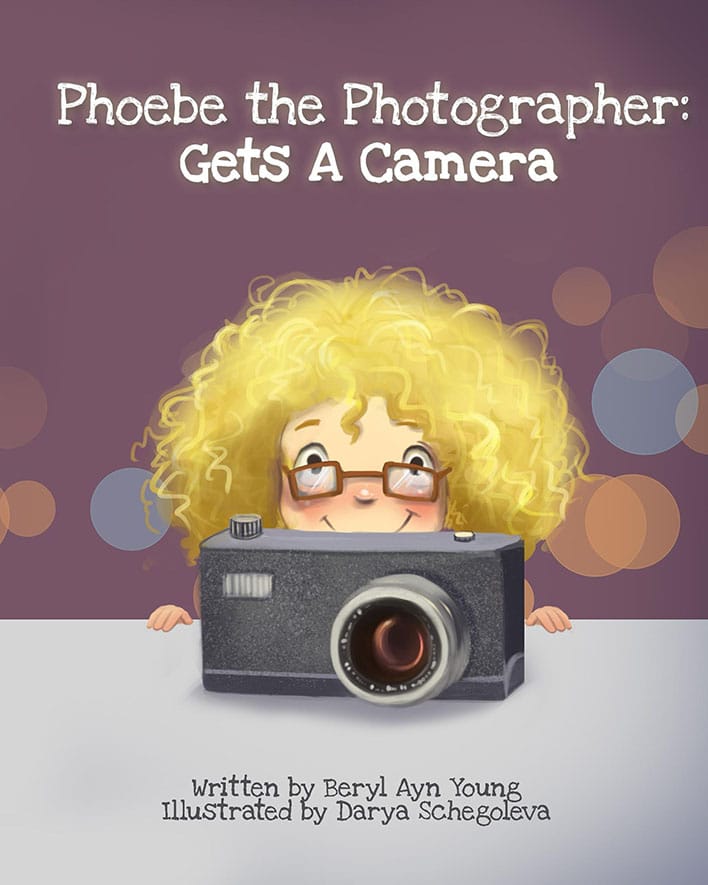
Beryl Ayn Young has just written her first children's book called “Phoebe The Photographer: Gets A Camera“.

When Beryl Ayn was 20 weeks into her first pregnancy, she lost the baby. Though she had initially planned to photograph her daughter, Beryl Ayn instead leaned on photography as a way to rediscover herself. She began a blog and started sharing her work. Soon she gained a following with other moms who sought her out for their own healing process.

As a teacher, Beryl Ayn embraced technology and taught as a school teacher. She now teaches moms the in's and outs of photography through her courses on her site.

Her experiences have helped her find the real reason moms take up photography and that is to have deeper connections with their children.

By writing Phoebe The Photographer: Gets A Camera, Beryl Ayn hopes to inspire a love of photography in children early on in their development and give moms who also pursue photography a clear path to connecting with their little ones.

The book's message, about empowerment and resilience for girls and women, is rooted in the idea that we don't always get what we want. It took her nearly three years to find an illustrator and when that business connection failed her, she set the project aside only to take it up a few months later.

I spoke with Beryl Ayn about the process of writing this book. Here is our short conversation:

Some of the other challenges Beryl Ayn faced were finding the right language to use, defining the length of the book and figuring out the book's target audience.

Bery Ayn Young's Children's Book About Photography

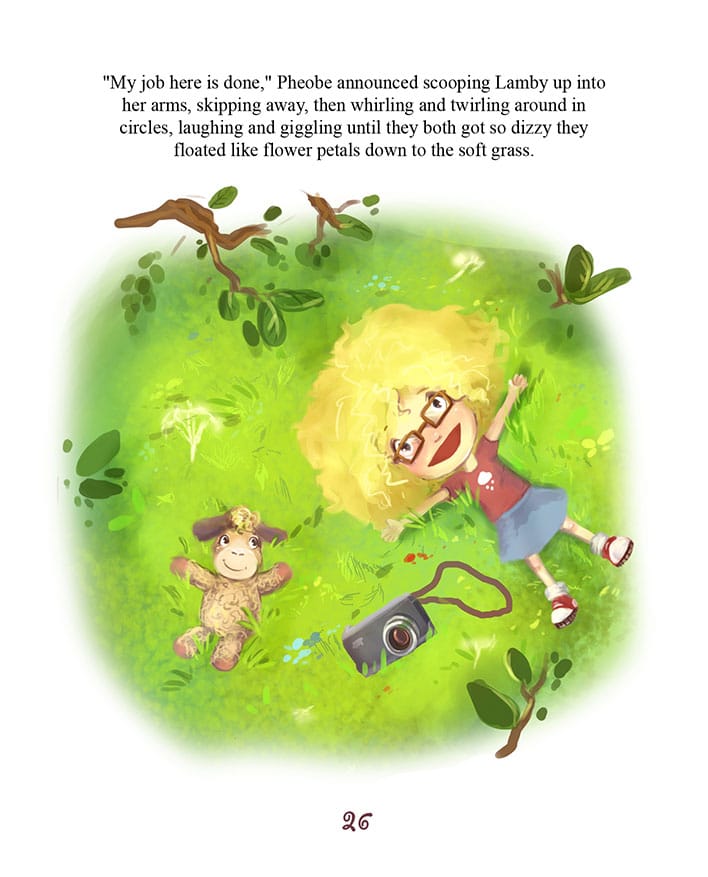
Bery Ayn Young's Children's Book About Photography

Bery Ayn Young's Children's Book About Photography

Bery Ayn Young's Children's Book About Photography

Beryl Ayn has curated a recent blog post on her site called “41 Experts And Creatives Reveal Their 3 Best Tips To Make Photography Fun For Kids“. I was honored to be asked to contribute to this project. Read what I had to say on the topic!

If you have kids who are between the ages of 3 and 8, this would make for a perfect gift to them. So, buy the book right now.

Filed Under: Books, Home Middle Right, Photography

  • « Previous Page
  • 1
  • …
  • 11
  • 12
  • 13
  • 14
  • 15
  • …
  • 164
  • Next Page »

Subscribe To Tiffibox Treats!

Looking for a well-curated email newsletter that will leave you inspired and motivated about your photography business? Sign up below!

About Seshu

Seshu creates relaxed portraits of families and high school seniors in Avon, Connecticut. He also leads a successful headshot photography studio in Connecticut, helping professionals from a variety of disciplines project the very best versions of themselves. He created Tiffinbox as a way of inspiring photographers, to create better images and successful businesses. [Read More]

Email Templates For Headshot Photographers

Email Templates for Headshot Photographers

Recent Posts

  • How Capture One Changed My Event Photography
  • 10 Steps To Stay Positive In Times Of Great Stress
  • Why You Need To Read “Personal Branding For Photographers” Now
  • How To Master Your Website Content Step By Step?
  • Tony Taafe’s TNT Method For Headshot Photographers

Recent Comments

  • Stephen Davison on Are You A Business Owner Who Is Smart, But Stuck?
  • Ben A. on Don Giannatti Clinches The 8th Annual Tiffinbox Award
  • Dan on Don Giannatti Clinches The 8th Annual Tiffinbox Award
  • Donald Giannatti on Don Giannatti Clinches The 8th Annual Tiffinbox Award
  • Stephen Davison on G.E. Masana’s 6 Strategies For Wedding Photography Success
  • Naveen Kumar on Weddings In India Are More Than Being At The Right Place And At The Right Time
  • kartick on Weddings In India Are More Than Being At The Right Place And At The Right Time
  • Leonid Farbman on 6 Uncommon Trends To Grow Your Photography Business
  • Willow and Finch Wedding Photography on 11 Reception Tips To Help Your Wedding Photography
  • Web Designer Malaysia on How To Optimize Your Squarespace Website For Search Engines
  • Creastan on An Interview With Photojournalist G.M.B. Akash
  • Cindy Brown | Atlanta on An Open Letter To A Local Photographer

Become a Patron!

Copyright © 2026 · Tiffinbox · Site Design by Heather Mackan Creative · Built on Genesis