• Photography
  • Interviews
  • Business
  • Reviews

Tiffinbox

Inspiring Photographers

  • Home
  • About
  • Blog
  • Contact

Why You Should Consider Artist Residencies If You Are A Passionate Nature Photographer

December 21, 2011 by Joe Decker

Today's guest post is by Joe Decker, a nature photographer, writer and educator who lives in Northern California. Follow Joe Decker on Twitter to learn more about his workshops or read his blog. Learn about composition from him from his e-book, Tuesday Composition.

While I've had the opportunity to teach and work with hundreds of talented nature and landscape photographers, few if any of them ever consider artist residencies as a tool of developing their photography.

That's a pity.
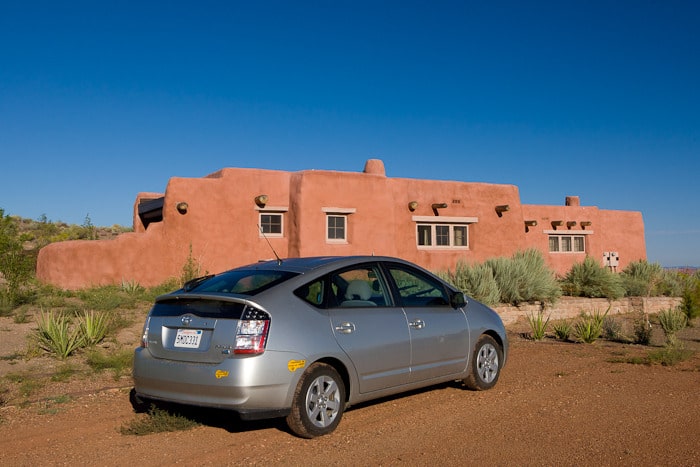
Art Residencies by Joe Decker

Residencies offer artists a place to stay and focus on art. This adobe cabin is used to house resident artists at Petrified Forest National Park

What are artist residencies?  Residencies are programs which grant artists a place to live while they focus on their work. These programs can take many forms. In some cases, these residencies are created by fine arts programs, many of those residencies pull in several artists at a time with the hope of encouraging interdisciplinary work or at least a sharing of ideas. Many parks and organizations that manage natural areas have residencies which are usually more solitary, but that put the artist in close connection with the landscape, in part with the hope of encouraging artwork that promotes and communicates the features of that park. Even some commercial concerns create residencies, my shipboard arctic residencies provided me incredible access to hard-to-reach areas of the planet, with the expectation that I'd also provide some work back in the form of workshops and material for a passenger DVD.
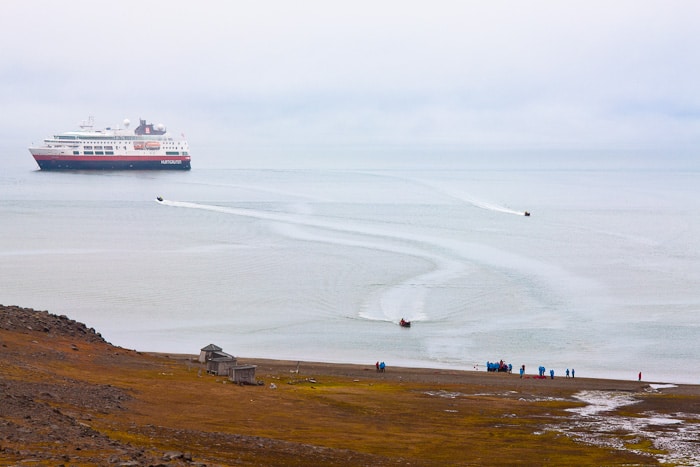
Art Residencies by Joe Decker

Residencies are offered by many types of organizations, from fine arts collectives and parks to commercial cruise lines.

Why do so few photographers apply for such opportunities?  Part of the disconnect is cultural. There has always seemed to be a quiet divide between the photography community and the fine art community, and while artist residencies are a staple of the traditional fine art community, they're rarely if ever talked about in the photographic communities I've been a part of. There's also a mystique factor, because of this “quiet divide”, Many times talented, creative photographers make the mistake of thinking that their work won't be accepted by something they perceive as being part of the snooty “fine art” world. in reality, most residencies, particularly those applicable to landscape and wildlife photographers, are juried by people who do understand the creative potential of the photographic medium, and see art more broadly than many photographers might imagine.

Of course, there are some practical challenges to accepting a residency. Not everyone can afford the luxury of putting eight weeks into nothing but developing a new body of artwork. However, many people, particularly many talented amateurs, could afford two or three weeks if they understood the value they could get from a well-chosen residency.

Why You Should Consider a Residency

Why would a photographer wish to invest a few weeks in a residency? The most important reason to consider a residency is the opportunity for focused time. Whether you're a professional or an amateur, it is unlikely that you get to spend nearly as much uninterrupted time making photographs as you'd like. Whether it's the “day job at the factory” or the usual grind of marketing and selling your photographic work, the inevitable distractions of day-to-day life really get in the way of digging deeply into a photographic project. A few weeks dedicated to a project can bring depths to your work.

Cost is another reason. Few residencies offer anything in terms of cash, but there's no question that the value of simply having a decent place to stay for a few weeks in an area you'd like to work is substantial. My arctic, ship-board residencies are probably the most extreme example of this, the cabin that I stayed in during my Svalbard residency this year probably would have cost around twenty thousand dollars if I'd paid for it retail.
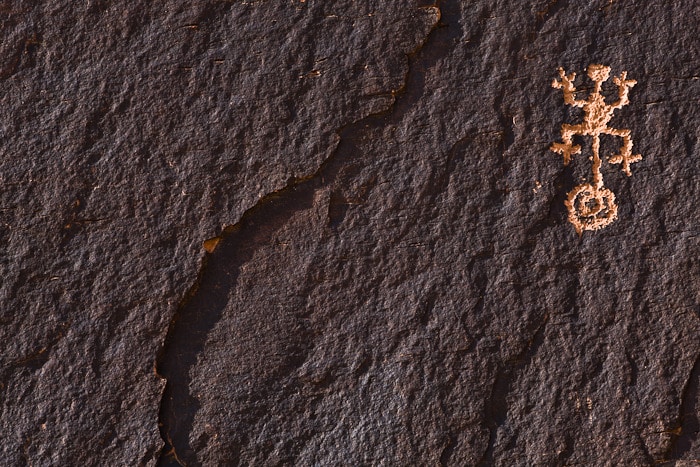
Climbing Lizard by Joe Decker

Some residencies offer access to unique resources, whether they be archeological, geological or cultural.

Which brings me to access. Every residency I've been awarded has offered me unique opportunities in terms of access to the locations I'd be working in. In my National Park residency, not only did I have the run of the park at night and sunrise t (when the park was otherwise closed to visitors), but I also had enormous support from the staff there, from access to their geologic archives to guidance on a couple hikes to lesser-known park locations, as well as access to many archeological resources. My arctic residencies included the support necessary to get me and my camera near to polar bears without risking my life.
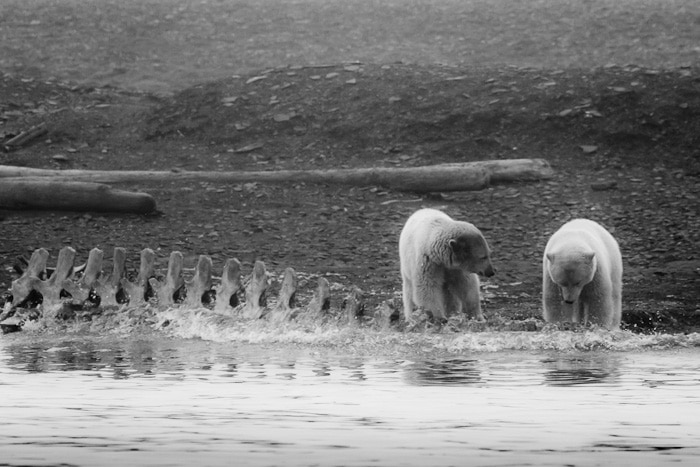
Polar Bears by Joe Decker

Residencies often offer a variety of forms of other support, from access to art making equipment to support in getting to unique and otherwise inaccessible or dangerous locations.

How To Apply

First, find a program that's relevant to the kind of work you do, or at least the kind of work you'd like to do. You are more likely to be awarded a residency if it's clear how you and your work fits in with the opportunity being offered, and you'll are far more likely to benefit personally and professionally from a residency if the specific opportunity inspires you. If you're a wildlife photographer, you might want to skip that urban art center opportunity, unless you have a clear plan for applying your skills and interests to a new environment–and even then, you'll need to make a solid case in your application as to why you're the best person to benefit from the residency.

Carefully research each residency you apply for, and respond to each residency individually. In applying for my Petrified Forest residency, I proposed projects that both inspired me and that leveraged the unique features of that park, such as it's archeological resources and it's incredibly dark sky. The Park Service's own web site and in-park informational signage gave me a great deal of information about what they believed to be key features of the park, reflecting that understanding in my own proposal likely helped me win that particular residency.

Whether you're a professional or not, it is essential that you show that you're serious about your work. Few of these opportunities care about whether you make your living at photography, but all of them will care about whether you bring a serious, committed attitude to your art. There are many ways to show that in your application that don't require having been “in business” for ten years–have you being showing your work consistently over a period of time? Have you been published broadly?  Have you won awards or other recognition over time? Do you have references that can attest to the quality and longevity of your efforts?

Finally, don't give up. While there are a lot of residencies out there, there are also a large number of artists, not just photographers but painters, poets, sculptors and videographers often vying for the same slots. With effort and focus, you can take advantage of this wonderful opportunities to further your photographic efforts.

If you made it this far down, I have to ask you if you are now considering artist residencies to elevate your own craft. What, in Joe's article, moved you to make that decision? If you have any follow up questions for Joe, please feel free to ask him in the comments section below.

Joe has offered his e-book, Tuesday Composition, to one lucky person who comments below. Winner announced on December 30th.


Filed Under: Art, Nature, Photography Tagged With: Art, artist, artist in residence, artist residency, artist residency program, arts, Education, fine art, joe decker, landscape photographers, national parks, nature, nature photographer, nature photographers, photographer, Photography, residencies, residency, theatre

The Foundation Conference, Kansas City: A Recap

November 29, 2010 by Guest

Stacey Doyle, AvatarThis is a guest blog by Providence, Rhode Island-based documentary wedding photographer, Stacey Doyle. She documents weddings & families focused mainly in the New England area, though always willing to pack a bag & travel far and wide. Besides photography she really enjoys the art of sewing, specifically deconstructing older pieces and making them new again. If you don't find her behind her camera or sewing machine, you may find her perusing used book stores, thrift stores or at a local brewery surrounded by friends.

I was supposed to go to the Foundation Conference, held in Kansas City, this year. Circumstances at home prevented me from making the trip. When I came to know Stacey was going to be there, I lost no time in recruiting her to report back on her experiences at the conference. What you will read below are her impressions.

Walking into Foundation Conference 2, I was welcomed by friends. By hugs. By smiles. Open hearts & minds. An ego free zone.

Foundation Workshop Conference

From the speakers, to those coming along for a shot of inspiration, everyone there seemed to have a common thread, they see not only with their skillful eyes yet also with their hearts. They tell their stories using their individual visions fueled with their excitement to share, their ability to listen softly, their desire to infuse passion.

I heard Still Motion speak about how, a mere year ago they were creating images that were just good enough. They were pretty. But something was lacking. Something was missing. Something wasn't being said.
Inspired from last years Foundation Conference they decided to change all that. They now immerse themselves into their couples lives, they learn more about who they are, what they are about, what is really meaningful to them. They spend their time documenting what will speak to the true story of their couple, instead of focusing on details that mean nothing in the end. Even if that means skipping the makeup application in order to photograph a couple's beloved pups enjoying a morning swim. It's the images that truly matter, that's their goal. In the end they encouraged everyone to examine where you are right now and then ask yourself ‘Where do you want to be in one year?'

‘Suck less everyday'

DQ have always made me smile. They are a rich and giving couple, in their teachings, in their energy, in their commitment to the photography world. Dave and Quinn are one of the first people to run up and give you a warm genuine hug. Their excitement over showing you how to bring light into a scene to layer and transform a rather dull atmosphere into a whole different world is infectious! What I really adore is each time I've heard them speak, they both seem to glow when they talk about the other's abilities. Not ‘oh darn, Quinn one upped me' but ‘Heck yea did you see what she did?! So proud of her!'. Their motto that day was ‘Suck less everyday', which I quickly retweeted! However I really loved their son, Tobi's, quote ‘Making little moments go a long way'.

I found JVS‘s work years ago online and was floored. I couldn't believe someone could walk into a wedding and find images like that. His lighting skills are outstanding. I recently took his off camera flash workshop in Boston. I remember during his teaching that knowledge is important however what really stood out was if you are going to do something, don't half ass it. Do it right. His talk at the Foundation Conference was more introspective. He went through his life in pictures and in stories. He spoke of the moments that changed the way he viewed the photographic world he was in. He talked of the stories that had an impact, not only on his career but his heart. He spoke of being true to himself, his vision, the life he really wanted to be living, the work he really wanted to be producing. What shined through again was if you are going to do something do not go half way. Put your all into it. Don't be lukewarm about your approach. Mean it. And if you don't, maybe you need to examine what it is you really want to be doing in your life.

They wanted to create a playground where the mind-blowingly awesome photographers in their area could safely come together and, well, play!

The Wed Rockers are a group of established photographers from Mexico. They were looking for community, they were looking to help bring others with a similar desire to share and create, together. They wanted to create a playground where the mind-blowingly awesome photographers in their area could safely come together and, well, play! Their passion flowed out of them like warm sunshine. I was grinning the minute they started their talk and laughing and smiling and tearing up with them at the end. I believe they accomplished what it was they were trying to create: community. And they brought that feeling of sharing & encouragement to the hearts of all those that were there in that room listening that morning. Their talk made my heart swell, it made me want to share anything that I know with anyone that asks. Do you want to know what the secret ingredient is? Nothing. So do not be afraid to share. It's in the sharing where you will find your true self, your true vision.

It's hard for me to use just words to describe Anna Kuperberg‘s work, because when I see her pieces, all I can do is feel. Words may fail me, but my emotions do not. I respond within. I think it has a lot to do with her approach. Her talk during Foundation Conference spoke of being more childlike. Trying to tap into that long lost creative being we once were, until it was schooled, questioned, hushed out of us. And that's not an easy thing to do for some of us. I think ‘won't I look like a fool' but then I remember the little girl that I was flying down the street on my bike, not caring who or what saw me, just that I could fly (on two wheels, of course). I didn't care who heard me make-believing in the back yard with my Barbies and Strawberry Shortcake dolls. A whole magical world existed in my mind and I didn't feel like a fool, because it was fun. I didn't care enough about others opinions to not care about what felt good. I just played and I played well. And I believe that's what I took from Anna's talk; who cares if you mess up or screw up. It doesn't matter! Get back to caring about playing, playing well.

I had not heard of Candice C. Cusic nor seen her work before Foundation Conference. I am so glad I was there to experience her world, her approach and her imagery. Her emotional way of shooting, her steady courageous way of waiting it out until she knows she has what she wants. Her bold patience really struck me. Again, it's the idea of being overly concerned about what others are thinking of you as you work and allowing that to dilute your imagery. Don't let the thoughts of others get in your way. And don't read this wrong, Candace isn't being disrespectful of her subjects, no way! She calmly waits it out, where others might think ‘ok i'm probably bothering them so i should stop now', she's asking you ‘who says?' Don't ever assume you know what people will or will not let you photograph. Be patient, be bold, don't forget to tap into your heart, and then let go and shoot.

The local Kansas City contingent, Lemon & Lime, rounded out the talks. They spoke of their approach, creating one of a kind imagery, using their distinct vision to capture the story of their couples. How a fluke meeting a few years ago brought Neal & Eric together, and since then they have been able to immerse themselves in their creative process, in their couple's lives and in their business together. What struck me most was the way they talked about working with one another. How this collaboration has become so important to them both. The emotion that carried their words was heartfelt and true. I didn't feel as though they were talking just about a business, but a family they created. Once their talk was complete, I saw the other local photographers from Kansas City gather around them at the back of the room, each in turn hugging them both, congratulating them. Not doing this because they wanted those around them to know they ‘knew' them. This was real. There was a camaraderie there that I can only hope and pray others are blessed with.

And if you want to grow, the best thing you can do for yourself is get your butt in the hot seat. Now.

You may think of the Foundation Workshop Forum as just another photography forum. But that is so very far from the truth. It is a collection of brightly colored, vibrant, rich photographers threaded together with their deep desire to share with those around them who are equally passionate about the work they create. It isn't just a bunch of gear geeks talking numbers. These people are full of heart, they pay attention, they care. There is safety in knowing you are not going to get squashed by some self absorbed personality. However if you ask for a critique of your work, don't expect to be embraced warmly while they sugar coat their words. These people love what they do, they respect the art form far too much to give you a simple pat on the back. And if you want to grow, the best thing you can do for yourself is get your butt in the hot seat. Now. But let me assure you, having sat in that seat quite a few times, you will find no cruelty there. You will find not a single drop of snark. No one is there simply to beat anyone up. It is because they care, that they want to see you grow. They want to see you break free from the negative thoughts that anchor you. They want to see you soar.

Forums can most certainly be intimidating. However, you will find with the Foundation Workshop Forum group, that intimidation quickly melts away, as you are welcomed in by the warm generous souls that make up this great family.

Filed Under: Documentary Wedding Photography, Photojournalism, Seshu Photography, Weddings Tagged With: Anna Kuperberg, Candice C. Cusic, conferences, documentary wedding photographer, DQ Studios, Education, foundation, JVS, kansas city, Lemon & Lime, photographer, rhode island, stacey doyle, Still Motion, the foundation, The Foundation Forum, The Foundation Workshop, The Wed Rockers, Wedding

Photography Concentrate: Why We Teach?

April 29, 2010 by Guest

Rob & Lauren AvatarThis is a guest post by Canadian photographers, Lauren & Rob Lim, whose spirited wedding, portrait and travel photography is the talk of the town.

At the moment in the wedding photography industry there is a bit of a backlash against educators. Whether deserved or not is up for debate, but it certainly has resulted in a lot of discussion about those who make money from teaching.

As we can be considered educators ourselves (have been quite happily teaching other photographers for over 2 years), and are now moving towards doing it more, we thought we’d give a bit of insight into why we teach.

To understand where we’re coming from, I’ll give you a bit of background on us. We weren’t the photographers who grew up with a camera in hand. Our interest in photography didn’t come until we were 19 and 21, during a requisite backpacking trip through Europe. As I’m sure has happened with all photographers out there, we instantly developed a very strong passion for creating photos. But, we knew absolutely nothing about the art. Nothing at all. Being rather young, we didn’t see that as any sort of hindrance, and began the process of teaching ourselves this craft so that we could become professional photographers.

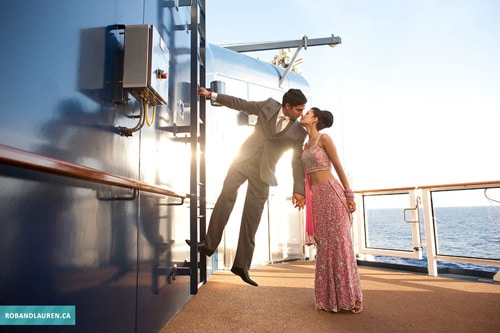
Romantic Kiss On A Boat, by Rob & Lauren Lim
That naivety allowed us to pursue our goals without any thought to whether it was even possible. And, thankfully, we simply made it possible. But it didn’t happen without an immense amount of time spent learning, reading, sifting through dozens of articles, and making a ton of mistakes along the way.

What we found, after years of self-teaching, was that the number of high quality and affordable resources out there for photographers was a lot smaller than we would have imagined. Sure, there are countless forums, blogs, and articles that you can find for free. But many of them offer differing opinions and ideas (though all too often they don’t see them as opinions, but rather as fact! That makes it even more difficult for a new photographer to understand what to do!). They also take a lot of time to go through, compile information, and try to process it in a way that works for the individual. It’s not easy or fun, and often it’s just downright overwhelming! I fear that a lot of people likely give up, simply because the task of finding and digesting high quality information is just too difficult.

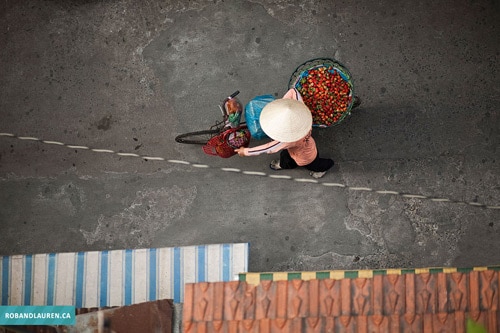
Man On A Bicycle, Ho Chi Minh City by Rob & Lauren Lim
Furthermore, many resources are currently being offered for very high price tags. Often upwards of hundreds of dollars (thousands if we’re talking about workshops). While there’s no way for us to decide whether those are worth it, we do know that they are far outside the reach of many photographers. Photographers on average aren’t rich people. They often have budgets just like anyone else, and many are left unable to purchase the tutorial they’d like, or going into credit card debt to attend the workshop they think will solve their problems. We were deeply unhappy with that approach. We strongly believe that teaching should be to help others, not yourself. With that in mind, we made a commitment to offer our education at prices that anyone could afford, including students.

Back to how we became educators! The more we learned, the more we found ourselves trying to help other photographers. We’d have colleagues over to our home to spend some time teaching them a new program or technique. And, time and time again, we’d find ourselves teaching the same material to each person. We were happy to be helping out that individual, but knew that there had to be a more efficient method.

The next logical step was, of course, to figure out how to get that information into the hands of the most people possible! So we created Photography Concentrate, a website dedicated to high quality, affordable information. We initially thought about writing e-books, but as soon as we began to plan for our first tutorial, all about RAW processing, we realized that books aren’t always the best way to learn for most photographers. We’re visual people by nature, so learning likely happens best in a visual manner! Thus began our foray into video tutorials. We’ve just completed our first one, and are hard at work at the next. We’re so excited about the possibility of helping photographers all around the world to learn to take control over the programs we rely so heavily on.

Which brings me to the final thought: Why We Teach

It’s pretty simple, and we can boil it down to one idea: we teach to help photographers acquire the skills needed to fully realize their artistic potential.

All the people we teach have their own incredible creative talent. We don’t need to teach them that. We simply want to help them unlock it. We believe that having a strong foundation of technical knowledge is the first step on that path, so that’s what we intend to share!

Kristin & Michael by Rob and Lauren Lim

With RAW Processing Concentrate, our tutorial on editing in Lightroom, we’re hoping to help photographers improve the final look of their images. Very often we see an incredible shot, with great composition and vision behind it, but the processing falls short, and the image fails to reach it’s full potential. Processing is just one step in the creation of a great photograph, but it’s a hugely important one. Many photographers currently rely on pre-made actions and presets to process their images. These will certainly make you faster, but we don’t believe they will make you better.

Life as an artist is about growth and exploration, and one needs knowledge to achieve that.

If you’d like more information about our tutorial and teaching adventures check out Photography Concentrate.

Photography Concentrate By Rob & Lauren Lim

Filed Under: Education, Photography Tagged With: Education, Learning, Photography, Tutorials, Video, Webinars

Selina Maitreya’s The View From Here: Tiffincast, Episode 1

April 14, 2010 by Seshu | Editor & Publisher

Back in January, I posted about Selina Maitreya‘s audio program for serious photographers: The View From Here.

If you haven't had a chance to read it, I suggest you go there first and then come back here. It's a quick read and it will outline why you may want to buy this MP3 program for your photography business.

Recently, I had a chance to speak and record Selina (who now has an amazing blog called OneView). What you will hear below was my first attempt at recording a podcast (go easy on me will ya?), but the takeaway from it is still very good.

So, hit play, sit back and relax as you listen to Selina Maitreya talk about her background as a photo consultant and why she launched The View From Here for photographers like you and me.

Remember to use the code: FOSSES to get it for only $99 (original price is $199).

Full FTC disclosures: I received a complimentary copy of the entire program from Selina Maitreya. That, however, in no way alters my perception of it being a stellar product that you will find useful. If you use the code supplied above, I do receive a minor affiliate commission (enough to keep this website going every month).

[podcast]http://www.tiffinbox.org/tiffincast/042010/selina-maitreya-the-view-from-here.mp3[/podcast]

Did you like this podcast? Would you like to see/hear more from other photographers? Please let me know in the comments section below. I look forward to hearing from you.

Filed Under: Audio, Education, Marketing, Photography, Visual Art, Workshops Tagged With: Art, Audio, Education, Learning, Photography, Photojournalism, Selina Maitreya, The View From Here, Visual Communication, Wedding Photography

  • « Previous Page
  • 1
  • 2

Subscribe To Tiffibox Treats!

Looking for a well-curated email newsletter that will leave you inspired and motivated about your photography business? Sign up below!

About Seshu

Seshu creates relaxed portraits of families and high school seniors in Avon, Connecticut. He also leads a successful headshot photography studio in Connecticut, helping professionals from a variety of disciplines project the very best versions of themselves. He created Tiffinbox as a way of inspiring photographers, to create better images and successful businesses. [Read More]

Email Templates For Headshot Photographers

Email Templates for Headshot Photographers

Recent Posts

  • How Capture One Changed My Event Photography
  • 10 Steps To Stay Positive In Times Of Great Stress
  • Why You Need To Read “Personal Branding For Photographers” Now
  • How To Master Your Website Content Step By Step?
  • Tony Taafe’s TNT Method For Headshot Photographers

Recent Comments

  • Stephen Davison on Are You A Business Owner Who Is Smart, But Stuck?
  • Ben A. on Don Giannatti Clinches The 8th Annual Tiffinbox Award
  • Dan on Don Giannatti Clinches The 8th Annual Tiffinbox Award
  • Donald Giannatti on Don Giannatti Clinches The 8th Annual Tiffinbox Award
  • Stephen Davison on G.E. Masana’s 6 Strategies For Wedding Photography Success
  • Naveen Kumar on Weddings In India Are More Than Being At The Right Place And At The Right Time
  • kartick on Weddings In India Are More Than Being At The Right Place And At The Right Time
  • Leonid Farbman on 6 Uncommon Trends To Grow Your Photography Business
  • Willow and Finch Wedding Photography on 11 Reception Tips To Help Your Wedding Photography
  • Web Designer Malaysia on How To Optimize Your Squarespace Website For Search Engines
  • Creastan on An Interview With Photojournalist G.M.B. Akash
  • Cindy Brown | Atlanta on An Open Letter To A Local Photographer

Become a Patron!

Copyright © 2026 · Tiffinbox · Site Design by Heather Mackan Creative · Built on Genesis