• Photography
  • Interviews
  • Business
  • Reviews

Tiffinbox

Inspiring Photographers

  • Home
  • About
  • Blog
  • Contact

Jane Ammon, Inspire Interviews: Episode 2

September 3, 2014 by Seshu | Editor & Publisher

I hope all of you have checked out the first episode, where I interviewed New England photographers, Doug Levy. Starting this month and running through October, I'll be posting short interviews I've conducted in partnership with Inspire Photo Retreats. The interviews will be of each of the presenters and some sponsors, to get a better idea of who they are and why they feel attending Inspire Photo Retreats is important to them.

Ok, so for this episode, I spoke with Jane Ammon, a child photographer who serves clients in central New Jersey and part of Pennsylvania. She will be presenting at Inspire Photo Retreats, from February 9-11th, 2015, in Portland, Maine.

When we spoke, I asked Jane about one aspect of her future presentation; why it was important for her to submit a proposal and finally what drew her to Inspire Photo Retreats.

Here are some of Jane Ammon's wonderful portraits of children:

Jane Ammon, Child & Family Photographer

Jane Ammon, Child & Family Photographer

Jane Ammon, Child & Family Photographer

Jane Ammon, Child & Family Photographer

For more information about the conference please visit the site. If last year was any indication, registrations will fill up and the conference will be sold out. So, I urge you to register early.
Inspire Photo Retreats - February 9-11, 2015, Portland, Maine

If you are still on the fence, please take a look at all the speakers who will be coming to Portland. I believe speakers like Jane and others have one mission: to inspire you to do your best work in the near year. Everybody needs that kind of motivation year-in-and-year-out. If you agree, I expect to see you at Inspire Photo Retreats in 2015!
Filed Under: Conferences, Home Middle Left, Interviews, Photography Tagged With: Child Photographer, Family Photographer, Inspire Photo Retreats, Jane Ammon, presentation, speaking

The Youngrens Will Teach You About Blogging For Your Photography Business

August 6, 2014 by Seshu | Editor & Publisher

Erin and Jeff Youngren are photographers in San Diego who own two other brands – Clove & Kin and Bauman Photographers – in addition to their own wedding photography business. If anyone should have “no time to blog” it would be them. Yet they have made it work and in a way that makes them known among clients and in an industry they lead.

I spoke with them about the need to publish a blog, how they approach it, how they even personalize and of course find time to make it all happen.

The Youngrens, are presenting their ideas about blogging through a ShootDotEdit webinar on August 13th at 10 am PST.

I recommend you sign up for it right away. Like other ShootDotEdit webinars, I trust this one will also be extremely valuable to you and your business.

If you have any specific questions for The Youngrens, please use the comment section below to ask. I'll be happy to relay them to Erin and Jeff before the webinar begins.

Filed Under: Blogging, Home Middle Left, Photography Tagged With: Blog Posts, Business Bloggers, Erin Youngren, Jeff Youngren, Photography Businesses, Wedding Photography

What To Look For When Getting a Custom Website

June 15, 2014 by William Bay

The Web has become an infinitely complex place to bring your business to. A few years back, the WWW could have stood for Wild Wild West instead of World Wide Web. People easily put up Flash-based websites that did cool “things,” proper HTML was forsaken in the attempt to make sites pretty, but these attempts were workarounds and left the realm of solid web development.

Thankfully, albeit gradually, order came in form of thing like: Web Standards, CSS, Search Engine Optimization and Google Best Practices. And of course we can praise Steve Jobs for driving the last nail into Flash’s coffin with the creation of the iPhone and iPad.

Confusing Array Of Options For Photographers

While many of the standards and practices above have made life easier for web users, the implementation of those standards can vex common business owners that just need to get their site up. It can be analogous to herding cats, and requires a broad range of skills to manage. Because of that, I highly recommend that when you do look for someone to build a custom site, you find a Web Developer instead of just a web designer. They will be skilled in the various areas (or have a team of people skilled in those areas). Here are a number of the skills required to put together a solid, custom website:

* General hosting server operations. The knowledge to move sites, and be able to handle Redirects, 404 errors, etc. is absolutely critical.
* PHP, HTML and CSS experience. These coding languages are the building blocks of the Web.
* SEO (Search Engine Optimization). Google's algorithms are constantly changing, and then every 9 months to a year there comes a big change that turns the SEO industry on its head. A good developer will keep up with this or have a person that they work with directly to stay up to date on these changes.
*  WordPress expertise. This is of course assuming you're using the best CMS out there. A developer knows how to use template files, Custom Post Types, and advanced plugins that enhance your custom website.
* Security. Having a secure website is a big deal. There have been a number of brute force attacks on sites that have rendered them completely useless. GoDaddy's entire infrastructure was down for a full day! A developer will know where you should host and what you should do to prevent these types of attacks.
* Mobile. Responsive website design “responds” to the size of the device you're on whether that's desktop, laptop, tablet, or phone (small device). There are very important things to consider when developing and designing for the various sizes. You definitely want someone well versed in that world.
* UX/UI. User Experience / User Interface. Your website is a tool to make sales for you. How efficient it is at doing that will depend on how well your Developer understands the process that people go through when entering a site. A good developer will suggest strong CTAs (Call To Actions) on home page, and wherever else a potential customer could be enticed into reaching out to you.
* Design. Of course, you want this thing to look pretty, right?!

Who To Hire?

Different developers have different strengths. Personally, I'm rock solid when it comes to SEO, HTML, CSS, UX/UI and WordPress, fairly strong when it comes to PHP, server functions, and security. I'm OK with design, but I still want my clients to have great designs. So I hire a great designer for our custom website builds.

Finding a developer that has these areas under control, either by himself or with a team, is a must in order to get the absolute best product. I've heard a lot of stories of people not getting what they expected. I even know a photographer that had a custom site performed, but was told to never update WordPress! This is a very critical step in preventing security problems, and an example of someone not familiar enough with WordPress to make the site work properly.

I also see beautifully designed sites that will never see the light of day if searched on Google because they failed to structure the site properly, and the SEO is poor. Do yourself a favor and interview the developers you have in mind and find out what their knowledge is in each area. Thoroughly test out the sites in their portfolio. Ask yourself if they have good designs (beware of the “I don’t like the paint on the walls” thing that people say on those HGTV shows). Pay attention to the level of design. Do elements on the page stick out, do they do a good job of balancing the needs of a website with the design, do the sites look like they were designed in the 90’s, does it appear that the designs get better with each and every website?

I'm happy to help you find the right person too. Even if Flaunt Your Site isn’t the right fit, I often help people figure out what the best path is for them. And we’re not always the answer. (I'll even pose as your web developer brother that works for Qualcomm and can't work on your project, if it helps you).

Weird Options For Photographers

Who Not To Hire

* First and foremost, avoid anyone that mentions the word Flash. That should elicit the response of you hanging up the phone, or pretending you don’t speak English. Even if they say it’s mobile friendly, you should still print their email out, and then light it on fire. (Cackling like a witch is totally optional.)
* Anyone spouting anything about HTML5 or CSS3 or other technical mumbo jumbo to influence you into working with them. First, websites are about people and their businesses. The developer’s job is to use the technology to accomplish your goals, not to use buzzwords as leverage to get you to hire them. (I’ll also add that HTML5 doesn’t mean what most people think it means).
* Someone without a portfolio, or a list of previous clients and links to their site. You really want to look at the websites they’ve worked on before.
* The guy that will do an “amazing full custom website” for $500…

Do you remember the last time a $500 wedding turned out “amazing?”  … Yeah, neither do I.

What Developers Cost

Cost is, of course, a huge factor to consider. Custom websites can vary from developer to developer. It will also vary depending on what functionality you want for your site. To give you a range, Flaunt Your Site does full custom sites from $3,000 to $5,000. We can do sites beyond that price point as well, but that tends to be the averages when it comes to our clients.

You will find developers that charge less than that, and you’ll find developers that charge more than that. My suggestion would be to interview more than one person for your project. Just as your clients have no doubt interviewed more than just you to find out who the right photographer.

Whether you hire someone for $1,000 or $10,000, your aim should be to have your new website be the type of investment that actually makes you money. If this isn’t on yours or your developer’s radar, you need to make it a priority quickly. If you’re doing it just to have a pretty site, then that is narcissism or “keeping up with the Joneses” getting in the way of running your business.

The only reason to spend money on a custom site is to increase your bottom line.

I have a personal goal that each website Flaunt Your Site does is directly responsible for our clients gaining 5-10 new clients in that first year.

Be sure to read William Bay's first article in this series.

Filed Under: Home Middle Left, Photography, Web/Tech Tagged With: blog software, content management systems, custom, Custom Designs, Custom Web Design, Custom Websites, Design, Design Website, Flash Based Websites, google, Html, Markup Languages, Photographers, Photography Businesses, php programming language, Pretty Websites, Responsive Website, search engine optimization, Secure Website, Web Development, web display, Website, Website Building, Website Design, Website Launch, websites, Websites Security, William Bay, wordpress

When’s The Right Time For A Custom Website?

June 4, 2014 by William Bay

I've been seeing this question, or a level of self-applied pressure to get a cool website pop up lately in some of the forums I belong to. It’s understandable that newer photographers get the idea that in order for them to get more, better, higher paying clients that they need to have an incredibly designed website. But, attached to those websites is often a price tag they’re not ready to pick up. Not to mention, spending that much money for a budding photographer is very premature.

Another thing I see in forums is photographers getting frustrated with their designers, developers, etc. Since I’m both photographer and a web developer, I think I have a good handle on where the communication breakdown happens.

With those two problems in mind, I've put together a 3 part series that will cover the following:

* When and why you should get a custom website
* What to look for in a web developer or designer
* How to effectively work with your developer, and what to do after the website launch

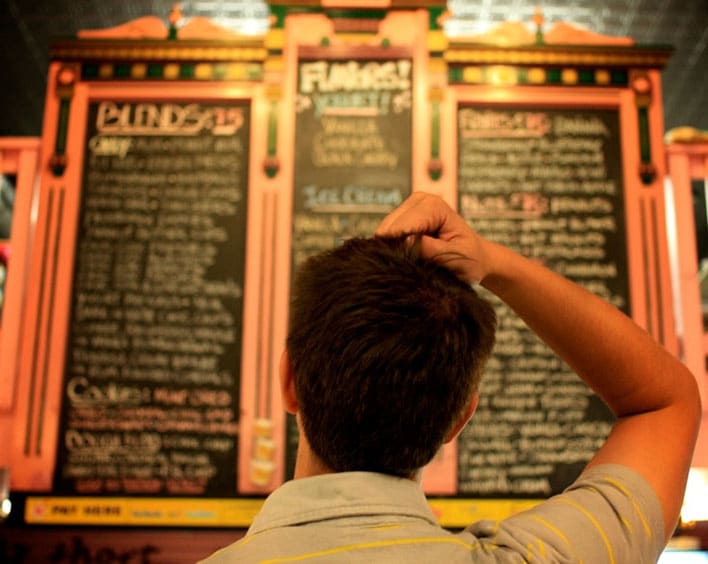
Frustrated - Photo by Dex Creates

The Purpose Of Your Website

So let’s start by defining the actual purpose of your website. The purpose of your website is to clearly provide enough information for potential clients to hire you.

Are there other things your site does? Absolutely. But you don't want to veer too far from that main purpose of your website. As the famous Architect Louis Sullivan once said “Form Follows Function.” The purpose of your site should take priority over the visual quality of your site.

Note that I didn’t say your site needs to be ugly.

If deliberate thought doesn't go into how you're getting found online as well as how people will use your site, how people will hire you, then you'll end up with a pretty website that doesn't bring you clients. We’ll look at those things in a bit, but first let’s look at the benefits you get from having a custom site over a template. Then, we’ll answer the question: When should you consider a custom website?

What Benefits Do You Get From Having A Custom Site?

First and foremost, a custom site will be something completely unique from what everyone else has. It will be exactly what you want, and nothing that you don’t want.

The process of having a custom site built for you includes having a professional walking you through what works and what doesn’t when it comes to websites. A good professional developer will also bring something to the table that you won’t have access to by purchasing a $200 theme.

A custom site is often a much more pleasurable experience for your potential clients to use and find what they’re looking for. That ease of use should result in more people hiring you. Your developer will have thoughts on how people use websites, and how the process of getting potential clients through the sales funnel should work on your site.

You’ll also have someone handling all the technical aspects of the site for you. This will free you up to work on your business, and your photography. Even if you buy a $200 theme, you still have to set it up and learn how to use the theme. You could spend a week or two just getting it the way you like it. Hiring someone to do a custom site for you puts you back in the driver’s seat of your business.

So, When Should You Get A Custom Site?

How long have you been in business? How good is your work? Have you been photographing for a short time, or are you a seasoned vet? Are you still learning your equipment? These are all the first questions you should be asking yourself first.

I find that photographers that decide to jump into business without having essential photography skills such as being able to shoot in manual mode, use light meters, use off-camera flash, et cetera, need to focus on those things before they get distracted with things like custom websites, SEO, marketing, and other business aspects like these. If the product you are delivering isn't of a professional quality yet, people shouldn't be paying for that product just quite yet. So if you’re just starting out, or unsure where you stand, getting a theme for $200 is a good place to start. And if you’re cringing at $200, you shouldn’t be thinking of custom anything for your site – at least, not just yet.

As a point of reference, most of Flaunt Your Site's clients have been in business full-time for at least 2 years, and have been photographing for at least a year or two longer than that. If your work is good, and you're booking consistently, you can use that as an indication that you might be ready for a custom site.

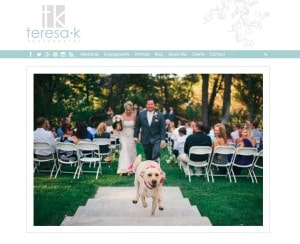
An Example Of A Custom Web Design For A Photographer's BusinessBranding & Visual Identity

Do you have an idea of what you want your business identity to be? Have you formed the values of your business? Are you clear what products you will and won't sell to your clients and how they fit in your offerings? Do you have any packaging in mind yet? There is a lot more to a brand than your logo and colors, but they can be a big part of it. Logo and colors can be a big part of the overall experience when people are introduced to your company. The look and feel can communicate the values of your business, and it usually sets the stage for the type of customers that will contact you as well. You may not have any of this done yet, which is fine. You can work with your web developer to come up with a visual identity, or perhaps your developer has a graphic designer that can work with you to create that.

Client Targeting

Have you been in business long enough to know what types of clients you really enjoy working with? Early on, most photographers are struggling to just get warm bodies to walk through the studio door. As you shoot more and more, you either begin to attract certain types of clients by your style, or you find that you just enjoy certain clients over others and start targeting your efforts towards those people. There are many demographic targets for which you can aim:

* Geographic (certain neighborhoods or suburban areas).
* Ethnic (perhaps you're Vietnamese and you are prominent in the Vietnamese community).
* Religious affiliations (You could specialize in Catholic weddings).
* Occupations (Maybe you came from a specialized business sector and you really connect with people in that industry).
* Organizations (If you belong to clubs or organizations devoted to hobbies or passions, you can find others that share your interests).

These are just a few ideas of where people find their niche. You can imagine how important it is to understand your target market. If the clients you tend to attract are Catholic moms in their 50's, but your site looks like Rock&Roll Bride, those potential clients will run screaming away from you. Your clientele will be a big factor in determining specific design ideas.

Are you attracting people that need larger type that’s easier to read? Are your clients moms on the go that need the information super quick? Are your clients tech-heads that want to know every piece of gear you shoot with? Do your clients feel more at ease making decisions with someone on the phone, where having a big phone number on each page will make a difference?

These questions are by no means exhaustive, but knowing the answers to these questions and having a thorough understanding of your clients will make all the difference when it comes to having an amazing and easy to use website.

If you have questions for William Bay, please post them below in the comments section. He is happy to help you through this process.

Filed Under: Home Middle Left, Photography, Web/Tech Tagged With: custom, Custom Designs, Custom Web Design, Custom Websites, Design, Design Website, Photographers, Photography Businesses, Pretty Websites, web display, Website Launch, websites, William Bay

Opening Your Own Photography Studio? 5 Things To Consider

March 17, 2014 by Kyung Jung

I am excited to share how I made the decision to open my studio. It has been a positive experience for me and I am grateful for the response it is receiving from both new and existing clients.

I had run my business, Yellowhale Photography, for many years as an on-location photographer focused on high end, boutique portraiture. I was very proud of what I had accomplished and the growth that my business had made in that time, but as I approached my 10 year anniversary, I found myself considering the ways in which I wanted my business to grow.

I began making lists, evaluating what has worked for me in the past and what I wanted Yellowhale to become. I thought about what I needed to do to create the business I envisioned. It wasn’t long before I realized that having a physical studio space was key to achieving my goals. By concentrating my sessions to one locale, I could make them more accessible for a broader spectrum of clients and ultimately enhance the service for my existing clientele.

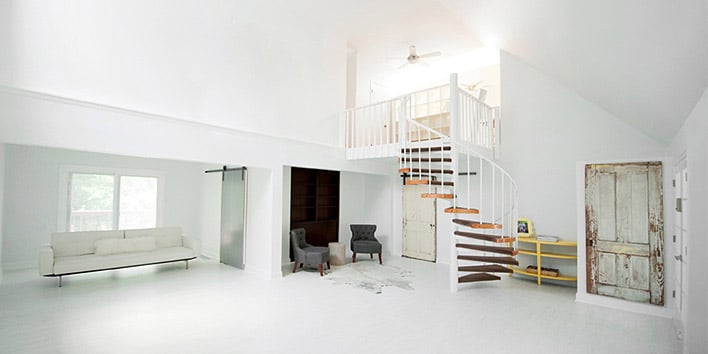
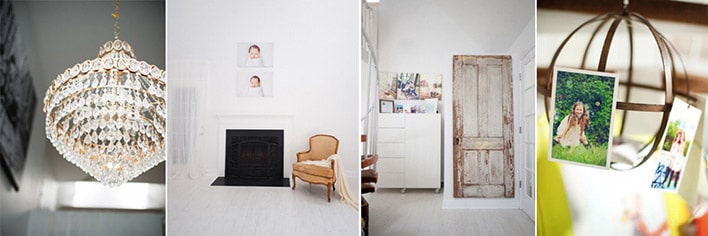
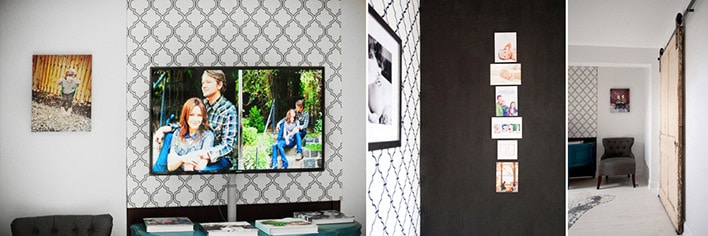
I was able to find a gorgeous space with lots of natural light on the main street in our city. I am so happy with it! Because I am in the center of town, I have greater opportunities to network with other local businesses. In addition to the reception and studio space, there is another room which I can use for meetings and workshops. I can even open it up to guest speakers for interesting cross promotional events. Having a physical space allows me to become a part of the community and invites passers by to come in and learn more about what I do.

Yellowhale Photography Stduio Wideshot

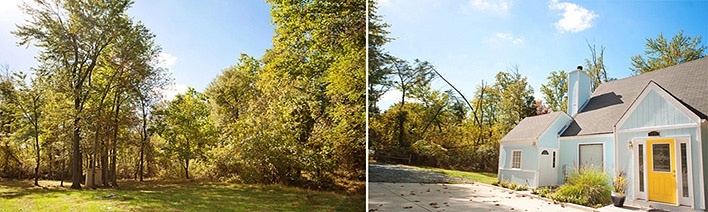
Yellowhale Photography Stduio Outdoor

One of the surprising benefits of the foot traffic is the local business people requesting sessions for a modern headshot. Between work and social media, everyone needs a presentable, image of themselves that they can feel confident in. Having a studio makes it convenient for these clients to come in and have their portrait taken during a quick break throughout the day.

The majority of my work, however, is focused upon family and newborn sessions. New parents have so much to adjust to in the first few weeks baby is home and having to clean the house in preparation for a photo session just adds to their stress. I am finding having a studio is a blessing for these clients. It benefits my young families as well. Let’s face it, families are busy! By having a studio for them to come to, they are able to enjoy their session with their children in a relaxed environment which ultimately results in beautiful images.

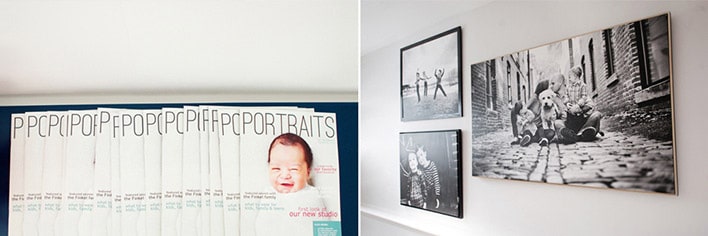
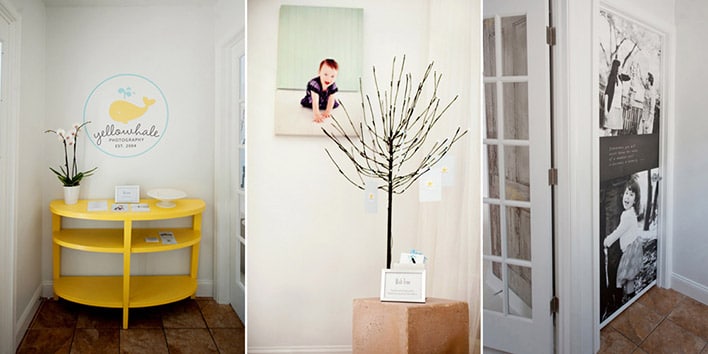
The reception area is filled with examples of my work displayed on huge canvases, in custom frames and wall galleries. Having the physical product on display for my clients is essential to selling. My motto is: seeing is believing, believing is buying.

Yellowhale Photography Stduio Display

Yellowhale Photography Stduio Display

Yellowhale Photography Stduio Display

An added bonus of the studio is that I now have the space to display the full range of albums from my other business, the Dream Album Co. . Our product line has expanded in recent years and having the space to have it all on display for my clients to view is exciting. We also now have the space to have a dedicated shipping and supply room which streamlines our businesses.

Yellowhale Photography Stduio Entrance

On a more personal note, one of the things I am most thrilled about is the ability the studio provides for me to explore creatively. I now have a space where I can play with various off-camera lighting options and with the way the natural light falls in our all-white space. I find myself consistently inspired to experiment here.

Making the decision to invest in a studio can be a difficult one. You are required to completely change the way you do business. However, for me, establishing a studio allowed Yellowhale Photography to grow in the ways I had envisioned and I am excited by all the unexpected opportunities it has created along the way. I am looking forward to celebrating our future anniversaries here!

If I could offer advice to anyone thinking about opening their own studio, the following five things would top my list:

1) Don’t rush the process. Take your time finding your perfect space. If you are uncertain if a studio is right for you, consider sharing studio space with a complimentary business. Another alternative is to establish a meeting space for your sales sessions. Having a smaller scale space allows you the time to grow your business and add to your confidence and security before establishing your studio.

2) Resist the temptation settle. Find a space that is right for you. Make sure the location, the light and the layout all work for your needs. Holding out allows you time to build your savings until you know you have found the perfect spot. Settling for a space to satisfy your desire to run a studio can easily cost you more in the long run.

3) Having a substantial savings is your safety net. Six months salary and operating costs are a minumum, but a year is so much. The moment you sign the lease, you are responsible for your rent & utilities whether you are ready to open your doors or waiting for the renovations to be complete. Having money in the bank also protects you in months where you may not be working due to unexpected illness or injury.

4) Create a support team to surround you. Figure out who/what you need to best support you in your business so you can create a consistent revenue stream. It may be in the form of a team of people (think of an editor, session co-ordinator, salespeople, or housekeeper as examples) or services (child care, a dog walker or grocery delivery to name a few). Having a solid support behind you will allow you the freedom and peace of mind to make your business a success and enjoy your time when you are home.

5) Create a beautiful space for yourself, but allow it room to evolve and grow with you. You will want everything to be perfect for your opening, but remember as you settle in to your space, you will be adding to it. Just as your home has evolved with you over the years, so will your studio.

Opening a studio is a commitment that can make or break your business. Grow into it rather than jumping into it. Before you even look for a studio, ensure you already have the consistent income to cover your daily operating expenses plus what you would need to pay for rent and insurance.

When you can afford to open the best studio, that is the time to open the studio. Do not open a studio and then hope for the best.

Filed Under: Business, Home Middle Left, Photography, Photography Business Tagged With: A Studio, Business, client meeting space, Kyung Jung, Photography, photography studio, Studio Space, The Studio, Yellowwhale Photography

  • « Previous Page
  • 1
  • …
  • 10
  • 11
  • 12
  • 13
  • 14
  • 15
  • Next Page »

Subscribe To Tiffibox Treats!

Looking for a well-curated email newsletter that will leave you inspired and motivated about your photography business? Sign up below!

About Seshu

Seshu creates relaxed portraits of families and high school seniors in Avon, Connecticut. He also leads a successful headshot photography studio in Connecticut, helping professionals from a variety of disciplines project the very best versions of themselves. He created Tiffinbox as a way of inspiring photographers, to create better images and successful businesses. [Read More]

Email Templates For Headshot Photographers

Email Templates for Headshot Photographers

Recent Posts

  • How Capture One Changed My Event Photography
  • 10 Steps To Stay Positive In Times Of Great Stress
  • Why You Need To Read “Personal Branding For Photographers” Now
  • How To Master Your Website Content Step By Step?
  • Tony Taafe’s TNT Method For Headshot Photographers

Recent Comments

  • Stephen Davison on Are You A Business Owner Who Is Smart, But Stuck?
  • Ben A. on Don Giannatti Clinches The 8th Annual Tiffinbox Award
  • Dan on Don Giannatti Clinches The 8th Annual Tiffinbox Award
  • Donald Giannatti on Don Giannatti Clinches The 8th Annual Tiffinbox Award
  • Stephen Davison on G.E. Masana’s 6 Strategies For Wedding Photography Success
  • Naveen Kumar on Weddings In India Are More Than Being At The Right Place And At The Right Time
  • kartick on Weddings In India Are More Than Being At The Right Place And At The Right Time
  • Leonid Farbman on 6 Uncommon Trends To Grow Your Photography Business
  • Willow and Finch Wedding Photography on 11 Reception Tips To Help Your Wedding Photography
  • Web Designer Malaysia on How To Optimize Your Squarespace Website For Search Engines
  • Creastan on An Interview With Photojournalist G.M.B. Akash
  • Cindy Brown | Atlanta on An Open Letter To A Local Photographer

Become a Patron!

Copyright © 2026 · Tiffinbox · Site Design by Heather Mackan Creative · Built on Genesis