• Photography
  • Interviews
  • Business
  • Reviews

Tiffinbox

Inspiring Photographers

  • Home
  • About
  • Blog
  • Contact

CanvasPop Offering 20″x30″ Prints Through PhotoDough For $59

February 21, 2013 by Seshu | Editor & Publisher

Some of you lucky ones living in warmer climates are already out creating portraits or photographing weddings. But New England, where I live, is still experiencing winter with more snow coming this weekend.

Rain (snow) or shine, your business has to keep going. If you are showing off images from last year or two years ago, it may be time for an overhaul. You are probably already tinkering with your website. Your marketing collateral – that which you either give to clients to take home or display prominently in your studio, is vitally important to keep fresh.

Amata Pictures is a new business venture I'm launching and I've already talked to local vendors with large wall spaces about displaying my images in their offices.

I could easily go with traditional prints. However, large prints, most of the time, require larger frames. And they aren't inexpensive investments. I really do love canvas prints and there are a number of great companies all providing quality canvas prints. One among them is Canvas Pop.
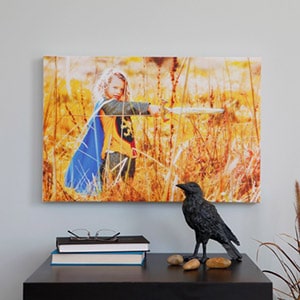
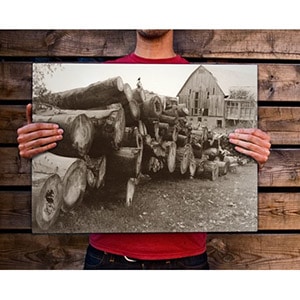
CanvasPop PhotoDough OfferCanvasPop PhotoDough OfferWhen I saw this PhotoDough offer (3 days left as I publish this post) to buy one gallery wrapped 20″x30″ canvas print from CanvasPop, I had to share it with you. You can get it now for $59. That's 60% off the normal $149 price.

If you buy a canvas print using this affiliate link, I get a small commission that helps keep Tiffinbox (mostly a labor of love) running. When you click that link, you will see the offer in the right-hand sidebar of the page. Do know that there is a $14 shipping charge.

If you are in the midst of a marketing massage anyway, why not consider buying a large canvas print for your wall. Save yourself some money in the process, too. Even if you don't own a storefront studio but work out of your home, you still need to display your work, right? How does that mantra go?

“You sell what you show.”

CanvasPop Logo

P.S. Once in a while, I will publish these types of posts. I assume, as a fellow photographer you are busy and appreciate these types of “head's up” articles that lead you to services and products that can genuinely help your business. If you have strong feelings about this one way or another, don't be shy about posting your thoughts below or contact me.
Filed Under: Marketing, Photography, Sales Tagged With: Canvas Prints, Gallery Wrap Canvas, marketing collateral, Photodough, print displays

Hey Photographers, Do You Know Your Numbers? Don’t Say Maybe!

February 11, 2013 by Seshu | Editor & Publisher

Jovial blog titles aside, I am learning very quickly that if I don't know my numbers, as a business it's as if you are standing in quicksand. What lit a fire under my, ahem, feet was this awesome talk that Zack Arias gave on Photoshelter. If you have a chance go listen to it. First stop, he says is getting a bookkeeper (I just did today, so yay me). But he also urges photographers to know their numbers – what your services and products need to be priced at to be a sustainable and hopefully profitable business.

We are in this to make money. Let's not be afraid or ashamed of that. In fact, my ability to be in business means I am able to serve more people. So, one feeds the other. Want more of that rationale? Read Tara Gentile's incredible e-book, The Art of Earning [affiliate]. Yes, you should read it. It blew my mind.

Ok, back to numbers. Your numbers. How do you arrive at them. Do you copy the local competition? No! Wrong move. Why? Well, because her/his numbers are more than likely a good fit for him/her. Your business has to have unique numbers, customized to your situation.

As a new photographer, I had no clue how to go about deriving those numbers. It wasn't till recently when I started crafting my new business, Amata Pictures, that I have conscientiously put pen to paper and come up with what I must make and what I would love to make in the business.

While there are things like the NPPA's “cost of doing business calculator,” I needed more hand holding. So, I turned to Design Aglow's The Essential Pricing Guide for Portrait Photographers.

Design Aglow | The Essential Pricing Guide For Portrait Photographers

the-essential-pricing-guide-for-portrait-photographers-2

Design Aglow | The Essential Pricing Guide For Portrait Photographers

“Design Aglow has created another exceptional educational tool that will cover the groundwork of basic business finance and budgets, provide you with Best Practices thinking to set up budgets for cost recovery, calculating your time and paycheck and pricing to support your brand strategy.”

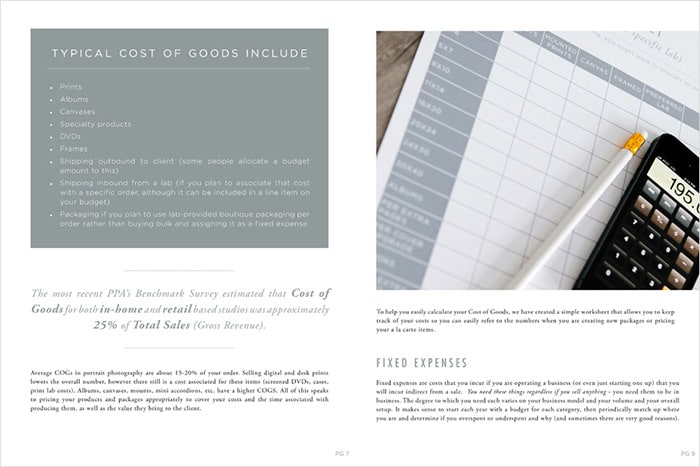
This is elegantly designed. No surprises there as just about anything that Design Aglow offers is meticulously designed. I am sure you are curious to know what's inside. The 70-page PDF is split into eight parts.

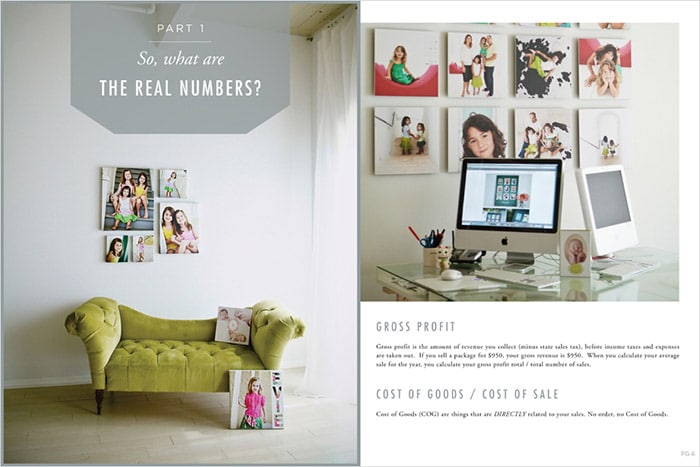
Part 1 – So, What Are The Real Numbers?

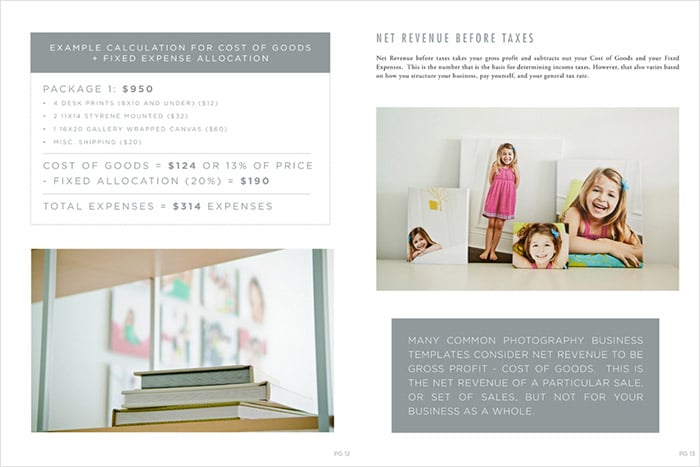
If things like “Gross Profit” or “Cost of Goods (COGs)” have stifled you in the past, this section of the guide will put you right at ease. You need to know this to set those prices that are unique to your studio.

Part 2 – How To Create An Effective Budget

Do you know your monthly, quarterly or annual expenses? I did not. This section works in tandem with the Studio Budget Worksheet that is provided to you.

Part 3 – Calculations For Time & Paying Yourself

Photographers often forget to pay themselves. A portion of what you make must be set aside as income for yourself. But how do you calculate what your time is worth? The folks at Design Aglow will help you. This important section will help you figure out whether you need to work more or work less to arrive at a number that satisfies you. Do be careful though how you draw money out because that is based on how you are structured as a business (sole proprietor, LLC, S Corp etc.) Definitely talk with your CPA before making any final decisions.

Part 4 – Pricing For Your Brand

This part of the guide truly surprised me with new information. I had never heard of “pricing for your brand” before. While the first three sections talked raw numbers such as expense allocation, cost of goods sold and how to evaluate your time, this section describes how to define the value of your work, skill and output. Your target market and product offerings also are involved in arriving at your “pricing for your brand.” It's an interesting, perhaps somewhat subjective mix of factors that, as I said, I had never considered before.

Part 5 – Smart Pricing For Your Studio

This part of the guide helps you come up with how to design a package/collection, what session types you may want to offer, whether you will require a minimum purchase or mandatory purchase of a collection etc.

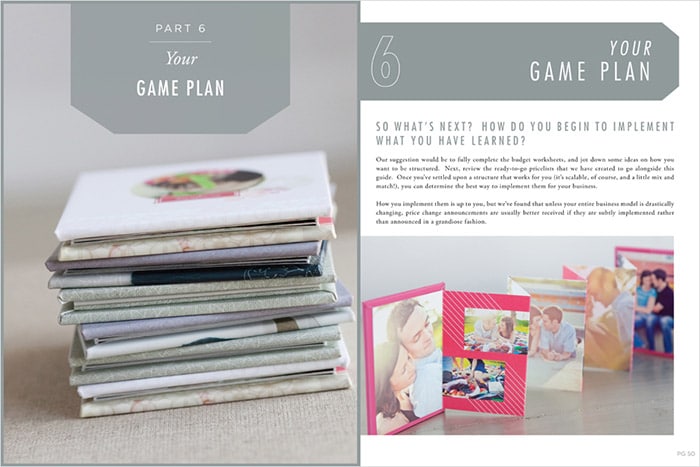
Part 6 – Your Game Plan

So, if you have worked through the first five sections, how are you going to implement these pricing changes? What will your clients say when they see them? How will you message your value to your clients? You'll learn all of that in this very telling section of the guide book.

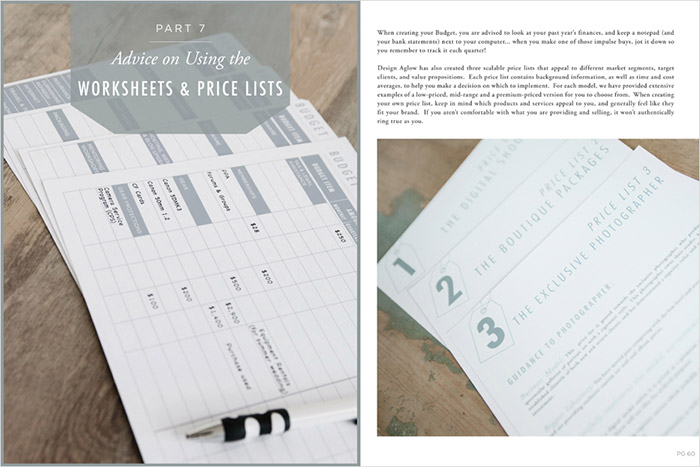
Part 7 – Advice On Using The Worksheets & Price Lists (yes, these are included too)

Ok, full confession here. I hate working with numbers. But, as I have tried to urge you, getting your numbers down early in the game is going to help have a sustainable business or at least one where you know is headed in one direction or another. The worksheets included int his product offering should not be avoided. If you work through them, you'll find yourself looking back at these through the year to see if you are on track or you need to adjust something in your workflow. So, I urge you to check these out.

Part 8 – Industry Contributors

Hear form photographers like Audrey Woulard, Amber Scruggs, Angela Weedon, Meg Bitton, Lena Hyde & Allison Rodgers.

While these are all incredibly talented photographers, as a guy I had to wonder why there were no male representatives. Hmmm … Perhaps when Design Aglow updates this product they may reconsider including a few studios? Just a thought!

the-essential-pricing-guide-for-portrait-photographers-3

the-essential-pricing-guide-for-portrait-photographers-4

Between now and February 14th (yeah, Valentine's Day), show you really love your business and save $30 off of The Essential Pricing Guide For Portrait Photographers. Regular price will be $125. Buy it today for only $95.

Set aside for a second the obvious, which is the price is right. But why else would you want to get this new guide? The $95 investment is a small one to make for what will be your biggest gains this year. Can you imagine how this investment could make you $95,000 or $195,000? Well, that's how my brain works when I evaluate products. They simply MUST provide a tangible ROI and I believe this one does it for portrait photographers.

Ok, n'uff said … if you buy it, please come back here and tell me what you thought about it (but please go through the whole guide book … yes, worksheets as well). Deal? Here's wishing you the very best year for you and your business.

Full disclosure: I was sent this product to review but I do not receive any commissions for promoting it.

Filed Under: Business, Photography Tagged With: Design Aglow, essential pricing guide for portrait photographers, Photographers, portrait photographers

How To Begin A Birth Photography Business

February 10, 2013 by Melissa Wilson

Melissa Wilson is a Danbury, Connecticut based Birth Photographer, with a resume of 34+ Birth Day Sessions. As an admin and active member of the birthphotographers.com community, Melissa takes this part of her business very seriously and finds birth photography to be her first love. Melissa was awarded runner up in the birth image of the year for 2011 and has been capturing the births of babies for over 2 years. One of Melissa’s long-term goals is not only to document an international birth but also to create a strong network of birth photographers in the state of Connecticut.

Melissa Wilson Birth Photographer | Danbury, Connecticut

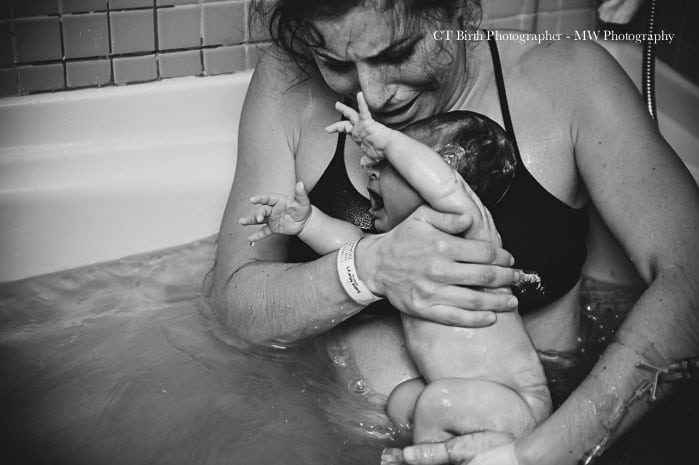
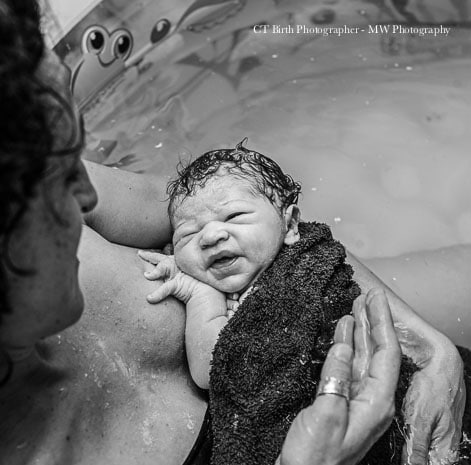
Birth Photography is a way to document the miracle of bringing a new human life into this world, and a type of photography that only happens once. Due to the sensitivity this type of photography entails, it is very important the photographer hired has the experience necessary to deliver what the client expects and has invested in. Birth photography is a journalistic/storytelling way of documenting this amazing event. No birth is ever the same which makes the story unique and different for each client.

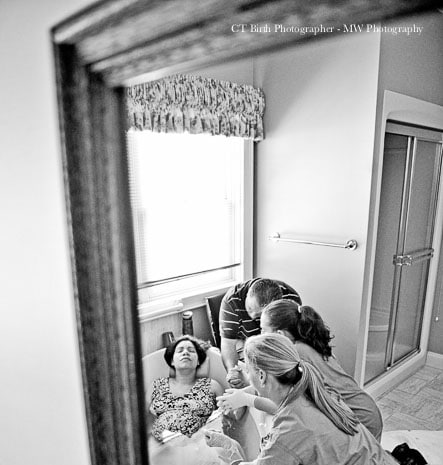
As a birth photographer, there is a very big time commitment, and the time is very unpredictable. You are on call 24/7 as the new mom comes close to, on, or past her due date. There are different types of birth photography; Home births, C-sections, Hospital, natural childbirth centers and adoptive birth situations, just to name a few. Each different type of birth shoot comes with its own rules, procedures, time frames etc., and this is why hiring an experienced birth photographer is very important.

Some helpful tips for getting into birth photography are as follows:

1. Build Your Portfolio:

A birth happens ONLY once and you want to make sure you feel confident that you will be able to capture this amazing event for your client. Some of the ways to do this is to research birth photography, shadow an experienced birth photographer, and work with local doulas to shadow them on a birth. I would suggest when working with a doula for the first time you leave your camera at home, as this would be a way for you to visually see what a birth is all about and take it all in so that you will be prepared for your first real client.

2. Get Your Name Out There:

There are many ways to do this. Try working with local OBGYN offices, natural childbirth centers, Doulas, and new parent educators to help promote your passion. This can also lead to new parent referrals which can further build into booking a maternity session, newborn session, and eventually becoming long time clients. I always book maternity sessions with my birth clients since it is a GREAT way to both meet the parents together, and make sure you will work well together. Trust me it makes for the actual birth session to be that much more comfortable.

3 Join Birth Photography Facebook Groups:

I am currently one of the administrators for the www.birthphotographer.com and this group is an awesome way to meet other birth photographers and have a huge wealth of knowledge to learn from.

4. Offer Fresh 48 Sessions:

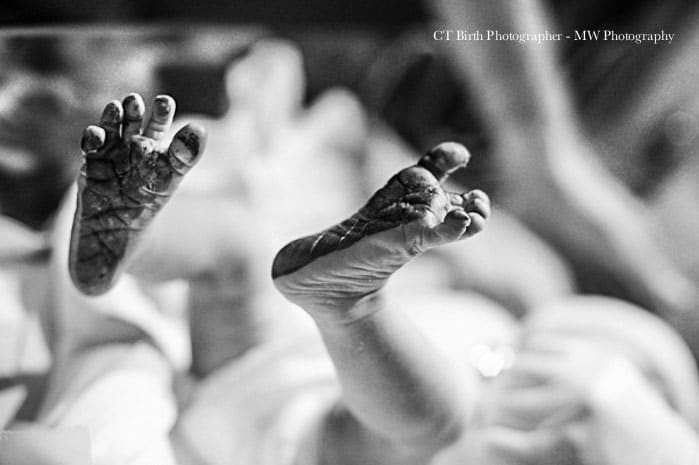
Another great way to begin is to offer Fresh 48 sessions (or you can name it what ever you would like). These are sessions where you visit the new parents right after, or within 48 hours at the location of the birth and capture moments with the new parents and the baby. This is a great way to get your feet wet in this type of environment and working with these types of clients. I highly recommend starting with these. It also helps you better understand your lighting and exposures.

These are just a few ways to get involved, and fully understanding all the commitments that go into being a birth photographer. Birth Photographers capture moments for the mom and dad that allow for the new parents to be involved in all aspects of the birth of their child.

I have found birth photography is something that I was meant to do, and I am very passionate about being a birth photographer. I truly believe all new parents should retain the services of a birth photographer simply because babies are born once and capturing those first moments for your clients is one of the best gifts they will ever receive.

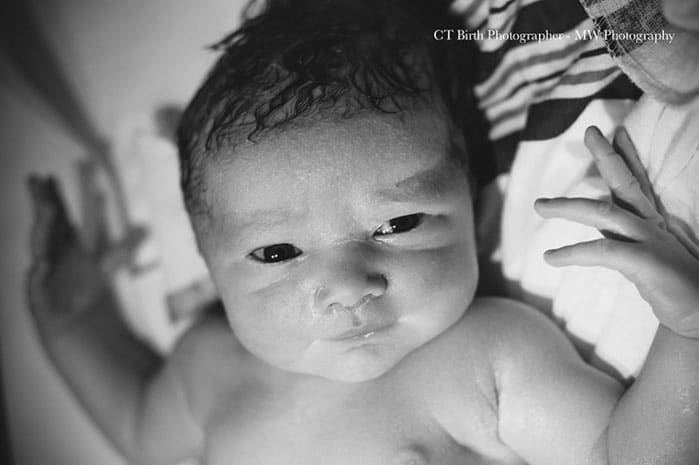
If anyone has any questions, or would like to know more please feel free to contact me via my website. See some examples of my work below:

Melissa Wilson Birth Photographer | Danbury, Connecticut

Melissa Wilson Birth Photographer | Danbury, Connecticut

Melissa Wilson Birth Photographer | Danbury, Connecticut

Melissa Wilson Birth Photographer | Danbury, Connecticut

Melissa Wilson Birth Photographer | Danbury, Connecticut

Melissa Wilson Birth Photographer | Danbury, Connecticut

Melissa Wilson Birth Photographer | Danbury, Connecticut

Filed Under: Photography Tagged With: Birth Photographers, Birth Photography

Pro Photographers Must Sell Pro Products

February 8, 2013 by Tony Urban

Today's guest post is by Tony Urban‘s second guest post for this site. He is a high school senior portrait photographer based in Western Pennsylvania. Read his first post here.

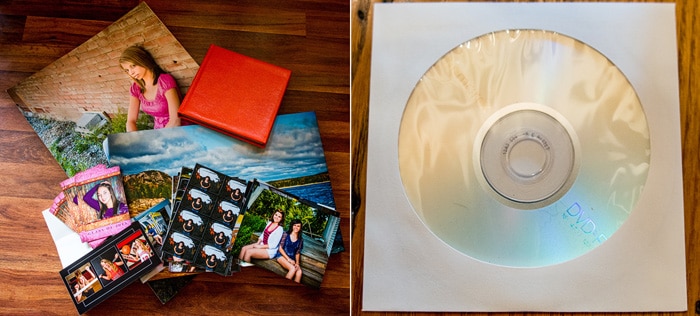
If you're a photographer who is giving your clients their images on a disc, you don't care about your business or your clients. Sound harsh? I'm sure it does but I believe with every fiber of my being that it's the truth.

When I started my photography business, I began in wedding photography. At the time, including a disc of images with the digital photos was pretty standard. I was new to the business so I assumed if everyone else was doing it, it must be right. I gave a disc of high res images to every client whose wedding I shot and never looked back. It was nice to not to have to bother with album designs or ordering prints from the lab. Instead of having Aunt Ruth coming to me for a 5×7, I could simply tell her to have the bride and groom email it to her. I was happy, the clients were happy because they got “all the photos” and all was right in the world, right?

Wrong. I stopped shooting weddings a few years ago as my portrait business exploded. In portraiture, at that time, images on a disc was unheard of, so I sold print collections, albums, wall portraits, etc. to my new clients. They loved the high quality products I was giving them from a professional lab and I liked knowing that the images they were showing off were printed well, not by some kid making minimum wage at the local department store.

Over the past few years, the “pics on a disc” business model has invaded portrait photography like a virus. New photographers have latched onto the idea and coupled it with dirt cheap prices. They think it's is a superb idea. Their clients, who are seeking a “good deal” like it too. After all, they can take their disc to Walmart and print out a plethora of 4x6s for a couple dollars. What could go wrong?

Tony Urban Products vs. CDs

Everything is going wrong. Giving your clients their images on a disc is giving them “half” a product. It would be like going to the car dealership and having them sell you the body and wheels, but no engine. It would be like going in for surgery and paying the doctor for the operation, but having him tell you that you need to stitch yourself up. Why does anyone think this is a good idea?

At one of the last weddings I shot, I happily bumped into former wedding clients. I had photographed their wedding a few years earlier and loved catching up with them. During our conversation, the husband mentioned to me in an off handed way that they had lost their disc in a move. They had never got around to printing their photos even though they loved them. I was happy to burn them a new disc, but what if I would have moved or gone out of business or even died? They would have had nothing left of their wedding but memories.

In a related anecdote, I was recently contacted by another former wedding client asking me if I could have some large wall portraits printed for him and his wife from their wedding photos – a wedding I had shot 8 years prior. He explained that they looked at their pics on their computer all the time, but with kids, jobs, etc. never got around to printing anything. Now that they were ready to get some large photos, they didn't know where to go to have them printed and, quite frankly, didn't want to be bothered with it. So, their disc of photos, which they had paid me good money to create, was basically worthless.

Stories like that are bound to happen even more frequently in portraiture. If you hand your clients a disc of images and expect them to do all the work of printing the photos or making collages or designing albums, you're showing them that you don't want to take the time and make the effort to give them a true finished product. You're being lazy and cheap and you're justifying it by telling yourself, “That's what they want.” but the customer doesn't know any better. You're the pro – you should.

What your clients don't need is a disc of dozens of files and to be left on their own to figure out crop ratios, to find a good printing lab, to figure out whether the prints they get back are too dark or have a magenta color cast or if the paper is of low quality and will fade in a few years. Why should your clients be forced to go to Shutterfly or Blurb and design their own albums? Why are you telling them that your doing “half” the job is good enough?

If you're basically a hobbyist who takes photos for fun and a little money, maybe giving “pics on a disc” is the right choice for you. But if you're professional photographer who is going the disc route, you're sabotaging your business and cheating your clients out of the professional product they deserve.

Filed Under: Commentary, Photography Tagged With: portrait photography, professional photographers, Professional Products, Quality Products

Why I Put My Camera Down For 12 Years

February 5, 2013 by Angela Pointon

This Angela Pointon‘s first blog post as a regular contributor to Tiffinbox. Please welcome her by reading her article and posting your thoughts in the comments section below. Her book, “The Art of a Photography Business” is coming soon. Follow Angela on Twitter.

It was a cold evening in May. The wind was whipping and the chill on my skin felt like needles. Being outside was painful. It was that night that I decided to slide my film SLR into the frigid nylon interior of my camera bag. I didn't know it would be the last time I saw it, and I didn't know that, after that night, I wouldn't touch another camera for 12 years.

That evening was the nightfall of a best friend's wedding. I put my camera bag down to hug the happy couple and wish them well, and when I went to look for it a few minutes later, it was gone. For all of you who've had equipment stolen, you know how much that sucks. As a photographer, I firmly believe you build a relationship with your tools. You work with them for so long, that you instinctively know the clicking sound they make and the idiosyncrasies about them… almost as if you're in an extended love affair together.

But getting my camera stolen was only the kick off of my hiatus away from capturing images. I certainly could have bought a replacement. But I didn't.

Here are my real reasons for putting down my camera …

1. Money

I just could not comprehend how a photography career would support me both financially and as a professional. I remember taking one business class in undergraduate school where they loosely talked about why you need a contract, why you should become an LLC and stuff like that. They never discussed the how, but they definitely discussed the why (and it was scary to my young 21 year-old self).

I couldn't connect the dots between photography and how it would support me. I decided I didn't want to live in Manhattan after working there and commuting back and forth from Philadelphia for about a year. I was taught that NYC was where you had to be if you wanted to make it. Social media was non-existent, film, chemicals and a darkroom or very expensive lab were the only options, and the upfront costs for launching my own photo business seemed ridiculously daunting, risky and doomed.

2. Failure

The photography program I attended had some bold, many times harsh, professors. Critiques were conducted with the intention of “preparing students for the harsh words that clients would definitely be using”. In other words, the variety of climaxes involved in the various classes I took (i.e. when you were showing your work) were structured to prepare you for a lifetime of rejection, insults and “truth”. As a very positive person, this sounded like a life of pure hell.

3. Readiness

At the time, I just wasn't ready. I knew I had a ton more to learn about business and there was something else waiting for me to discover and fall in love with. I spent three years in graduate school earning my MBA and studying the art and science behind marketing. After that, I spent seven years at a marketing agency practicing it for hundreds of million dollar businesses, so that I could learn from mistakes that didn't cost me as a professional. I've watched what it takes to massively succeed, and I've watched what it takes to fail.

I bought a digital SLR the month before my first son was born. I read the instruction manual, understood about 25% of it and started shooting again. It made a different sound. Not nearly as nostalgic as my film SLR's clunk when the shutter snapped open, but I got used to it. Admittedly, I still don't understand all of its functionality, but, then again, I don't aspire to, really. I don't enjoy thinking about technical details. I much prefer thinking about what I was trained to think about: design, composition, color and light. I'm old school, using a new school device.

I wanted to tell you my story of photography, because it drove what I do today. With so much negativity from outside forces, I put down my camera for 12 very long years. And no one reading this should ever resolve to do that. I am here to motivate, inspire, nudge, inform, cheer on, support and otherwise applaud you every day. Getting notes and comments of thanks is your support back to me to keep this bubble of positivity growing.

For those of you who never put your camera down … you are my heroes. For those of you who are pondering putting it down, wondering how you'll survive with so many photographers and often times feel like just throwing in the towel … I believe there is great hope for you.

My grandma, who gave me my first camera, a Kodak 110 with the disposable flash cubes that blew up with each shot, believed that anything was possible if you worked hard at it. In her mind, good things rarely came easy. The best things came with sweat and toughness (and a soft rabbit's foot in the pocket for luck couldn't hurt, either).

I know I'm just about the only one out there, but I actually believe this is an incredible time to be a photographer. The photography community is beginning to grow together, share information and get stronger as a collective group. People are challenged to work smarter and think differently. The free or drastically underpriced photographers will not prevail. They aren't sharing and they are structuring their businesses in a highly unsustainable manner. They won't last.

History favors the boldest and fiercest. I'll be the one cheering you on.

Filed Under: Commentary

What Does Your 2013 Photo Business Plan Look Like?

January 24, 2013 by Seshu | Editor & Publisher

Look, I get it. Timing is everything. But what trumps that is planning and doing.

In 2001, I saw the editorial market fade. I started photographing weddings as only a real photojournalist would, which is to say I had no freakin' clue how much to charge clients, what to offer them, how to follow up with vendors and lastly how to grow my business. I got into this spin cycle that involved creating some amazing images but not sharing them with my clients in a timely manner and then signing on new clients and on and on. The excuses simply piled up and I found myself not really enjoying the process any more. All that to say a little bit of planning and strategizing back then would have helped me a great deal.

Now, I bet a lot of you are looking at the new year as a new point in life, perhaps your square one (which in itself is kind of refreshing if you think about it), to start your photography business. I know I am with my new venture, Amata Pictures.

So, I am starting with a business plan. While Todd & Jaime Reichman have helped me define my WHY, I'm working with Eric O'Connor of Agile Photog to come up with systems and processes. Having mentors like them goes a long way.

But if you are starting out or been a photographer for a couple of years, you need a road map or else you will do what I did initially and get totally lost. Just make sure the plan is flexible and scalable. That's important too, in my opinion. Don't believe for one second that a plan is etched in stone and that once you write it out, you have to stick to it. Quite contrary, you should be able to try things, test them out and spit them out if they don't work for you. There are ways of doing that without wasting time or your other resource, time. At the end of the day, your business plan should speak to you and whom you plan on serving, what Todd Reichman defines as your “rightest” clients.

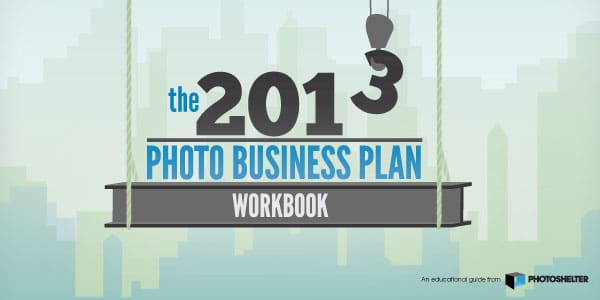
I am an unabashed fan of the folks at PhotoShelter. They actively publish guides that help to elevate the photography industry. I was honored to attend their Luminance conference last year. For 2013, PhotoShelter has just published a new guide called The 2013 Photo Business Plan. It costs nothing and you do not have to sign up for their services. All they do require is your email information so that they can send you the guide.

http://www.photoshelter.com/mkt/research/2013-photo-business-plan-workbook

Lots of good information in there including tips to:

– Market your photo business with Facebook
– Attract readers to your blog
– Improve SEO traffic
– Get more work from old clients
– Create a lasting photo brand
– Manage your finances and get smart with taxes

So, go here to get your 2013 Photo Business Plan workbook. It could just be your road map to success.

Filed Under: Books, Photography Business Tagged With: Business Plan, photo business, Photography Business, photoshelter

Successful Photography Websites Must be Found AND Have Impact

January 23, 2013 by Mike Hartley

Today's guest post is by Mike Hartley, a website developer and founder of bigflannel, an online photography template. Mike has been building websites for photographers for 12 years. His commendations include PDN competitions, an American Photo cover, an ID Magazine Annual Design Review, Communications Arts sites of the day and the Webbies.

SEO and Web Design For Photographers

Photographers get a return from their website when 1) people who want to buy photos or photography find the website and 2) when they do find the site, it makes them want to choose and use the photographs or photographer they have found.

These two things are equally important.

Google says “Googlebot's got no eyes” and there doesn't seem to be much chance of that changing soon. What they mean is it's difficult to index anything other than words. They don't pay attention to fonts, colors, shapes, movement, images, video, just the words around them. They don't pay attention to the things that add value in a visually literate society (have impact) or to the very item we're hoping someone will find and pay for.

So photography websites are stuck between being found, which requires words, and having an impact, which requires the use of images, to be successful.

bigflannel Offer For Tiffinbox ReadersWeb addresses, page titles and the text on a web page are within our control and in part determine the words a site is indexed on. Unfortunately, the deeper we get into a site, the less important these become (pages deep in a website are indexed less highly than a home page).

Links into a website, and the text of the link, are perhaps as, if not more, important than the original site itself (remember George W Bush's resume was once the top hit on a search for “miserable failure”). The more links in a page has, the more important it is on a search for the words used to link to it. So whether or not people can find a website depends on a few things, not just what's on the site, but how people link to it.

Again we're managing the balance between words to be indexed and images for impact; impact both encouraging the visitor to choose to use us and encouraging links in. Alongside this, people are competing with us for attention and the words people are using to find what they need are changing and evolving all the time (people use more words in a search these days then they ever used to, for example).

For this reason, I think the best website set up for photographers is a combination of an online portfolio and a blog. The portfolio indexes on basic words (name, location etc.) and is used to create impact; to display images beautifully. The blog indexes on many words and is used to position a site in search and to build relationships.

Get a 10% discount on your first year of bigflannel Portfolio with code TIFFIN10.

Full disclosure: Yep, some links are affiliate links.

Filed Under: Marketing, Photography, Web/Tech Tagged With: Building Websites, google search, Photographers, Photography, Photography Templates, photography websites, search engine optimization, Websites For Photographers

Davina Fear’s “Familyness Photo Workshop” For Photographers & Parents

January 19, 2013 by Seshu | Editor & Publisher

If someone wanted to know your family's story, what would you tell them? What would you show them?

As a father and husband, I have been thinking a lot about this. How will my kids and wife remember me, how will I remember them? How have we spent time together as a family? What fun moments do we remember the most? What challenged us and how did we overcome them?

Lastly, how have we loved our children? There is never enough time, to be together, right? It seems that way, but it doesn't have to be the way all the time. Certainly, we can give ourselves some time away from work, from social media, from blinking lights and other distractions to hang out with our family and just chill out.

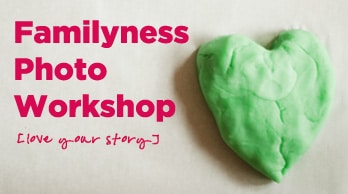
Davina Fear's Familyness Photo WorkshopWell, all of these questions, observations and potential solutions highlight what I want to do for families and couples in Connecticut, with Amata Pictures, a new project that I launched. But I am sure you are wondering how you would go about documenting your family right? Well, I am here to tell you about The Familyness Photo Workshops led by Davina Fear.

Davina Fear is a Clover, South Carolina based photographer and author. More than those obvious titles, she is also a wife and mom. From what I have seen her do in the last few months, where she launched Love 15, to her kits for photographers (some, I personally use), I know she puts her heart and soul into whatever she produces.

The Familyness Photo Workshop is no different. It's meant for parents who are juggling with jobs and life in general that take them away from their kids, their “familyness,” a term Davina freely admits she made up. To that end, I think photographers too, who are parents, can benefit from the workshop that launches tomorrow (January 20).

Davina and I had a chance to sit down for a brief chat. Check out the video below.

Sign up with the following code: “FPW30seshu” to save $30. Sign up here for The Familyness Photo Workshop.

Filed Under: Photography, Workshops Tagged With: Davina Fear, Parents, photo workshop, Photographers

Photographers, What Do You Thrive On? Signal vs. Noise

January 16, 2013 by Seshu | Editor & Publisher

The dictionary definition of “thrive” is – prosper; flourish. What makes your “thrive”?

I am sure you all remember this video by Zack Arias that went viral. Zack is back again, after a nine-week hiatus on social media (well, being online constantly, I suppose) to create this new video for Scott Kelby's blog.

I feel you must watch this right away. It's only five minutes long. So, take a look and comment below:

“Feed your soul. Not your feed.”

Like you, I am juggling a job, a business, a family with kids, this blog and a project called Amata Pictures. There is always “stuff to do.” But I worry sometimes if I am doing the “right stuff” at the “right time.”

My friend Eric O'Connor is all about being “agile.” That's an interesting word, isn't it? The concept, according to Eric, is a simple one: DO SOMETHING, but focus on action rather than inaction. Eric is teaching me to prioritize the things that must be done to run a business. He is a natural mentor and I thank him for his patience and perhaps more for his persistence when dealing with me and my various “attractions.” Do you want to become an agile photographer too?

If there is one goal (not a resolution) in 2013 that I would like to reach, it is to only do the things in my life that add value. When I think about it, I run through the day doing a lot that is just all “noise” and no “signal.” It's time to turn that around. It is time to thrive. So, yes, less Twitter, perhaps more Facebook. Shorter blog posts on Tiffinbox. And, definitely more photography that evokes honest feelings for my clients and in me. More time spent with my family and less time in front of a computer. And who knows, I might reach for my sneakers and start running again.

I stumbled upon Matthew May's book, “The Laws of Subtraction: 6 Simple Rules for Winning in the Age of Excess Everything.” You might want to either buy it or check it out at your local library. It is possible to achieve more by doing less of the wrong things in life. At least, that's the way I am starting to see it.

Do you?

Have you thought about stepping away from it all, to clear your mind and reconnect to what is truly important in your life? If you have taken a break like that, describe it to us below. What do you thrive on? Your comments might inspire others to do the same.

Filed Under: Commentary, Photography Tagged With: agile photographers, Arias, being agile, eric o'connor, focus, laws of subtraction, less is more, Photographers, signal vs. noise, Zack

What is Inspire Photo Seminars?

January 15, 2013 by Seshu | Editor & Publisher

I am incredibly fortunate to have two amazing photography conferences within stone's throw of each other and my home in Connecticut. I just came home from the Mystic Seminars. The other conference I enjoy attending is Inspire Photo Seminars. As a photographer who is eager to keep abreast of all that is happening in this industry, I have found going to these two local or regional conventions (and they are tiny compared to WPPI or Imaging USA) to be refreshing. I asked my friend Mark Higgins to give us an idea of what to expect at this year's Inspire Photo Seminars.

Inspire Photo Seminars

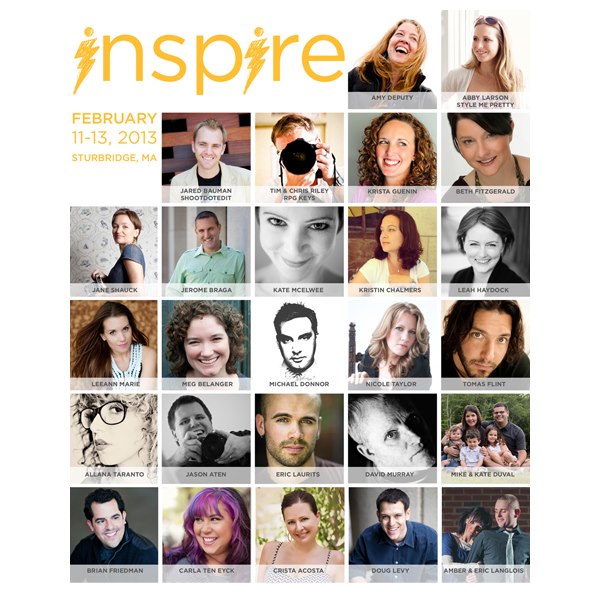
Inspire Photo Seminars is an intimate retreat-style conference of 150 people with an emphasis on building a stronger community. The conference is designed to establish professional relationships and even create friendships among your peers – which can be a sustainable support system to help you grow your business over the years to come. We do this by designing the conference around networking, education, and fun community time. This year, the conference runs from February 11 through February 13 in Sturbridge, Massachusetts.

We will be kicking the conference of Monday afternoon with some intensive pre-conference classes that are free to all attendees. This will be a great afternoon including “Building an All-Star Team” with Jason Aten, “Portfolio Hack” with Allana Taranto, “Lightroom Workflow with Tim and Chris Riley from RPG Keys, and ”Pricing for Profit” with Jared Bauman.

Amy Deputy will be the keynote speaker Monday night after dinner setting the tone of the conference with her talk on “Creating authentic imagery in the land of eye candy: a discussion of seeing clearly through the heart with a camera.”

There will be a talk by Abby Larson of Style Me Pretty on how and what it takes to get published Wednesday afternoon and this is something we’re really excited and proud to offer the studios attending Inspire.

We’ve designed Inspire so you can learn what you need to learn. The schedule is set up so that attendees can choose between sessions in different tracks for each time slot (Business, Technical Skills, and Inspiration). We realize everyone has different needs when it comes to photography and business education so we provide choices to ensure you’re not sitting in a class that doesn’t fit your goals and needs.

Check out the schedule here.

This year we’ve broadened the focus outside the business of wedding photography. You may be looking for more creative outlets or a new type of photography to rejuvenate you and your business. Make sure to check out speakers like Brian Friedman, Christa Acosta and Nicole Taylor, Michael Connor, and Tomas Flint.

We’re also excited to have David Murray as a speaker and David will be doing an Intensive Critique/Editing Process. I have seen David do this on the Fearless Photographers Forum and it was one of the most enlightening and educational three hours I’ve had in during my 8 year tenure in wedding photography.

On Tuesday afternoon we will offer an intimate tradeshow that’s a hit every year. Come see the latest offerings from Pictage or the folks at LensProtoGo and their technical demonstrations. Check out what Couture Books has been cooking up and see how Shoot dot Edit can help optimize your business giving you precious time back with their great editing service or see how to design an album quickly with Fundy Software.

On Wednesday afternoon we offer extended shooting courses with everything from baby portraiture, shooting headshots, intimate posing for boudoir, stepping into the light, learning how lenses affect your perspective.

We include all meals from Monday night until the conference ends, and plan fun late night activities because we want to maximize the opportunities for everyone to come together and connect outside the classroom. We encourage everyone who comes to step out of their comfort zone, and their circle of friends, and meet some new people each day. What better way to break the ice than to sing karaoke with some of your new friends!

This year one of the new things we’ll be doing is assigned seating for the staff so that an Inspire Team Member or Speaker will be at every table. We realize that sometimes it’s intimidating to walk into a room full of strangers so we hope a friendly face at every table will get the ball rolling.

We really hard to create a unique retreat style conference where we all get to know one another while accessing education that will help propel your studio forward. We want to grow this year, and we can’t wait for you to join us on the journey!

Inspire Photo Seminars LiveBooks Giveaway

Filed Under: Conferences, Photography Tagged With: Inspire, Photo Seminars, Photographers, seminars

  • « Previous Page
  • 1
  • …
  • 33
  • 34
  • 35
  • 36
  • 37
  • …
  • 198
  • Next Page »

Subscribe To Tiffibox Treats!

Looking for a well-curated email newsletter that will leave you inspired and motivated about your photography business? Sign up below!

About Seshu

Seshu creates relaxed portraits of families and high school seniors in Avon, Connecticut. He also leads a successful headshot photography studio in Connecticut, helping professionals from a variety of disciplines project the very best versions of themselves. He created Tiffinbox as a way of inspiring photographers, to create better images and successful businesses. [Read More]

Email Templates For Headshot Photographers

Email Templates for Headshot Photographers

Recent Posts

  • How Capture One Changed My Event Photography
  • 10 Steps To Stay Positive In Times Of Great Stress
  • Why You Need To Read “Personal Branding For Photographers” Now
  • How To Master Your Website Content Step By Step?
  • Tony Taafe’s TNT Method For Headshot Photographers

Recent Comments

  • Stephen Davison on Are You A Business Owner Who Is Smart, But Stuck?
  • Ben A. on Don Giannatti Clinches The 8th Annual Tiffinbox Award
  • Dan on Don Giannatti Clinches The 8th Annual Tiffinbox Award
  • Donald Giannatti on Don Giannatti Clinches The 8th Annual Tiffinbox Award
  • Stephen Davison on G.E. Masana’s 6 Strategies For Wedding Photography Success
  • Naveen Kumar on Weddings In India Are More Than Being At The Right Place And At The Right Time
  • kartick on Weddings In India Are More Than Being At The Right Place And At The Right Time
  • Leonid Farbman on 6 Uncommon Trends To Grow Your Photography Business
  • Willow and Finch Wedding Photography on 11 Reception Tips To Help Your Wedding Photography
  • Web Designer Malaysia on How To Optimize Your Squarespace Website For Search Engines
  • Creastan on An Interview With Photojournalist G.M.B. Akash
  • Cindy Brown | Atlanta on An Open Letter To A Local Photographer

Become a Patron!

Copyright © 2026 · Tiffinbox · Site Design by Heather Mackan Creative · Built on Genesis