• Photography
  • Interviews
  • Business
  • Reviews

Tiffinbox

Inspiring Photographers

  • Home
  • About
  • Blog
  • Contact

The Risks & Rewards Of Pursuing Photography

August 2, 2010 by Guest

Nick Franklin, AvatarToday's guest post is by Nick Franklin, a photographer and student from Huntsville, Alabama. Follow him on Twitter.

Risk and reward is the mantra of business. How many risks and rewards does a person have to take to be a professional photographer in this market? What are you willing to lose for chasing a dream? If you haven’t looked at these questions yet, you will. No one can provide you the answers, and no one can make choices for you. What they can do, is tell you what they did, and maybe you can glean experience from them. I’d like to share my own with you here.
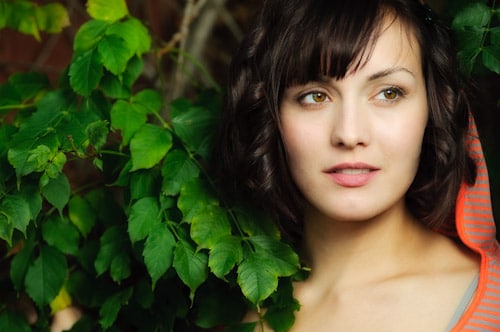
Lady In The Vines by Nick Franklin

As an amateur-professional I faced a hard decision early on with where I would take my photography, and what I would lose doing so. Art college is a heavily debated topic in the field, some say it’s almost necessary, others say you’re better served in business school. I weighed the pros and the cons. Being surrounded in a artistic zone could be hugely beneficial in developing a vision, but could also burn me out soon. And, above all, was the cost. My choice schools, somewhere like the Savannah College of Art & Design or Brooks Institute were hugely more expensive than some of the top business schools available to me. Combine that with a looming recession, and my choice was practically made for me. I would not pursue any academic credential in photography. I took instead a more common path, a business major, and secured myself a job through college. I don’t regret this decision now, as the market has not recovered, and I was able to devote what time I had for photography to its best use. I shot what I wanted, and learned a lot photographing things I never thought I would. Making images became a retreat from the norm, and only increased my desire to make them.
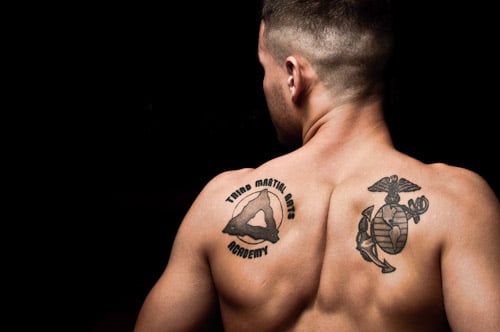
Flexing Muscles, by Nick Franklin

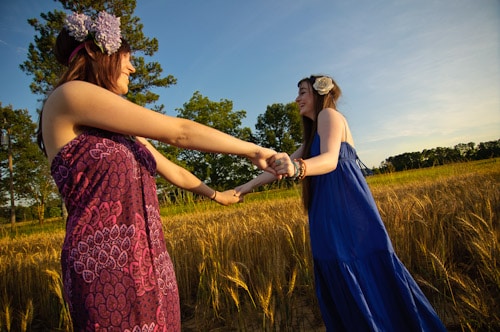
Girld Dancing In An Open Field, by Nick Franklin

My improvement over two years only opened more doors to me however, and with that came more decisions. Clients began to pop up, and I had to decide whether I wanted to forgo those unique shooting excursions to make side money and begin the trying process of building a business. I chose the latter, and it turned out to be considerably harder than I had expected. Balancing shooting, editing, and managing some level of brand on a limited schedule was quickly running my love of photography into the ground.
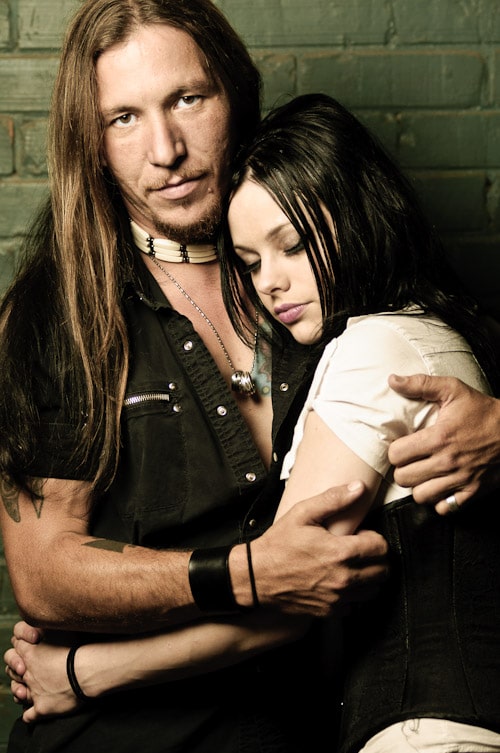
Portrait Of A Couple, by Nick Franklin

It wasn’t long until I would drop everything I had on my plate. I left my job, took a semester off from college and stopped taking clients. What on earth could create such a sudden about face? A chance of a lifetime I thought. A photographer who I respected greatly, to the point of modeling my own hopes of success on, was accepting internships. I applied, was accepted, invested over a thousand dollars to relocate myself and for the first time pursued photography full time with no hesitations. My hopes going in were that this was at least a foot in the door of a major studio, or a life adventure I would never forget.

I got much more of the latter than the former. Personal differences led me to leave the studio less than two weeks into my internships. In such a short time my expectations were crushed, and I was left broken. The risk I took had not paid off. It had cost me not only monetary value, but pride and a place beside someone I respected. I found rock bottom.

I didn’t pick up a camera for nearly three months. I was able to resettle myself at home, though not able to make up the lost time from school, and found myself another job. I spent that time thinking about why I took the risk originally, and what I learned from it. I learned that despite how much we get consumed with the mood and meaning of imagery, behind the camera and in front of the lens are real people with real problems. That the things we let go to pursue a dream are the very things that made it in the beginning. In some ways this failure taught me more than success would.

It’s a personal decision in the end how much you are willing to risk for this lucrative career. It’s the things you don’t think about that hurt the most, things like family and friends, or the impression you have a hero. Measure these things very carefully, but go boldly with what you decide. There can be no reward without risk, and sometimes the rewards aren’t always evident.
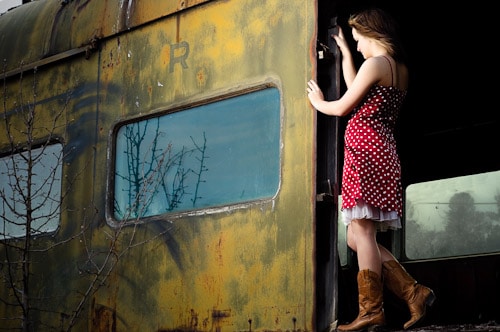
Journey On A Train, by Nick Franklin

Filed Under: Photo Biz, Photography Tagged With: alabama photographers, franklin, nick, photographer, Photography, professional photographers, rewards, risk, risks rewards

Around The World, Yet Across The Street

July 30, 2010 by Guest

Trudy Hamilton, AvatarThis is a guest post by Trudy Hamilton, a portrait and lifestyle photographer and blogger, originally from Florida and now residing the the San Francisco Bay area. She can also be found on Facebook and Twitter.

Most photographers that I know enjoy the adventure that travel brings into their lives. Whether it be personal travel, such as visiting family, or business travel, such as the destination wedding or a location commercial shoot, travel is both a pleasure and necessity. However, unless we're all Joe McNally, we probably don't travel as much as we'd like to.

One of the best reasons to travel is simply to experience the culture of another, hopefully though an open mind, heart and camera. However, you don't have to travel all of the time to experience and photograph another culture. An exciting and economical way to do so is to explore the cultural events of your community. I photographed my first community cultural event in 2006 and I have been interested in them ever since. The beauty of people, music, food, fashion and uniqueness has always excited me and appealed to me. This is why I travel, but also why my mind and heart can travel even when I am home.

A few good reasons to embrace your local community cultural events are:

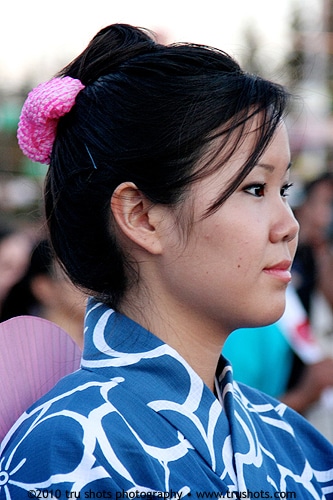
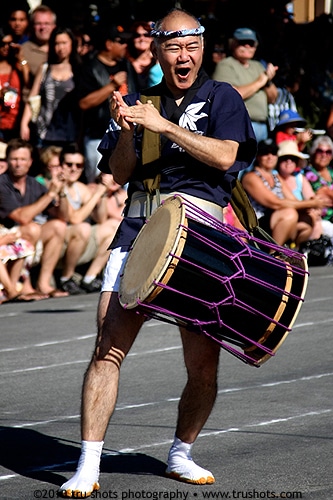
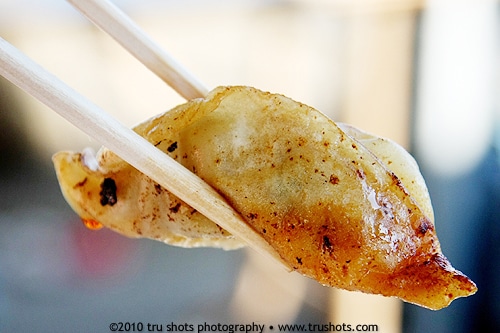
1) It's a learning opportunity. If you are open to it, a community cultural event can be a learning experience for you. Certainly I could have read an article on the Obon Festival, but I chose to attend one in Japantown of San Jose, CA a few weeks ago. I have been to Japan, but certainly couldn't pick up and go again a few weeks ago. But by attending the festival, I chatted with and photographed Japanese, Japanese Americans and others at the event, listened to the powerful yet soothing sounds of the San Jose Taiko and enjoyed gyoza–some of the same activities I did while I was actually in Japan a few years ago. For several hours, it was like I was transformed from traditional Bay Area Cali and merged into Japanese culture.

Japanese Woman In A Kimono

Japanese Man Drumming by Trudy Hamilton

Gyoza by Trudy Hamilton

2) It's a photographic opportunity. Certainly most photographers desire paid work versus unpaid work, especially the ones running a business. However, sometimes it is good to photograph truly for the sake of creation. Cultural photojournalism differs from my portraiture work. I use different camera settings, I have different compositional ideas and a different intent and message with every photograph that I create at a community cultural event. It's great exercise for me for when I do have paid event photography and great exercise in my creativity and storytelling, in general.

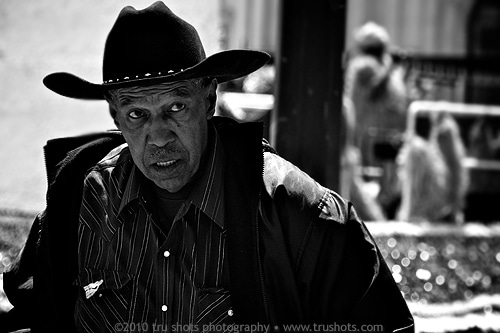
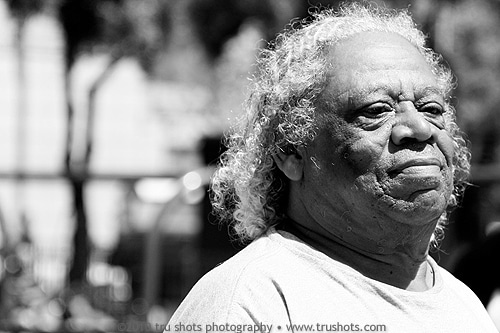
3) It's a networking opportunity. I am an introvert. Though I am not shy, as introversion does not always equate to shyness, I am usually uncomfortable and drained by traditional networking events and conventions. However, at a community cultural event, such as one I attended a month ago in San Francisco, Juneteenth, I can stay below radar and only photograph if I choose, or chat with people who ask me about my work simply from seeing me with what they call a big camera. At this aforementioned event, someone came up and talked with me. I ended up booking them as a client on the spot. So not only was it a great cultural experience (even just to embrace stories of Black people in America–ones that I could see in the very skin of the men I photographed below, who are only a few generations removed from slavery) but it was a business opportunity as well.

Man In Cowboy Hat by Trudy Hamilton

Street Photography by Trudy Hamilton

Acknowledging, embracing and understanding the cultures of others doesn't just make us better photographers, it makes us better humans. So I encourage you to view your city's website or a site like Yelp and look for the next event in your area, whether it be a Japanese, Chinese, Italian, Filipino, Jamaican or Irish festival (I've been to all of these types) and check it out. It may truly be a learning, photographic and networking opportunity for you as it has been for me. Embrace the true beauty within yourself, by embracing the beauty of others.

Filed Under: Culture, Photography Tagged With: as a, business travels, Community, cultural, cultural events, Culture, embrace, embracing, japanese culture, Journalism, mass media, photograph, photographer, Photography, Photojournalism, san francisco, stock photography, visual journalism

How To Find & Build Your Photography Community?

July 8, 2010 by Guest

Shannon Kelley, AvatarThis is a guest post by Knoxville, Tennessee wedding photographer Shannon Kelley who has set up a successful photography community. She can also be found on Twitter and Facebook.

Back in January of this year, after attending a Dane Sanders workshop, I made a commitment to find community. Not online or Facebook friends, but real live community.

You see, it is so easy for me to sit behind a computer, chat on Facebook with some clients and other photographers, post some blog posts, read some others and think that that is enough. But I knew that I was missing something, local support and community. So I started doing things, little things. And I ended up shocked. Shocked to find many other photographers that were craving the same thing. Photographers who were supportive and nice. And who wanted to get together and just chat about life and photos.

Five months later and lots of those little steps, Knoxville now has a community co-op studio that my friend and I run, a Facebook group of 250+, monthly shootouts, SMUG's, and best of all, we all have the support of one another! It has been such an amazing thing to witness and be part of. I had no idea how reaching out and embracing local photographers would change my whole sense of who I am as a photographer.

My challenge to you: Leave your desk and computer screen in this next week for a real life connection. Reach out, don't get hurt if someone tells you no because there are people out there who won't get it. Then keep doing it. Take a little step every week and see how your support and community builds!

Here Are Some Of The Little Steps You Can Take:

1) Search one of your fave forums to see who else from your area is on there and then connect with them

2) Have a local photographer whose blog you stalk? Leave a comment or email them

3) Invite a local photographer to coffee

4) Search Facebook for a local photography group

5) Invite a JSO photographer to go on a photo walk with you. Learn from each other

6) Be nice and friendly when you see other photographer's out doing shoots. Maybe give them your card and start a conversation

Does your town or area not have a local photographer group? Or are the local resources available to you limited? Then be a path maker! Start doing things that build community in a larger sense.

1) If your town doesn't have a photographer group, start one on Facebook and organize some get togethers
2) Ask a local photographer to teach on something for your group
3) Organize a shootout (details here)
4) Find out if other groups are meeting in your area and go! (check to see if there are SMUG's around or other locally ran groups)
5) If you are on the hunt for a studio, consider a co-op or community one that will help save costs and build relationships for you!

A Note On Shootouts:

Shootouts have been one of the best ways here in Knoxville for us to reach out and build community. While these can be time consuming and detailed, they can also be basic and so easy to put together that you could be having a shootout by next weekend.

Here is a simple way to do a shootout: Ask someone you know to be a model, pick a cool location, tell the model to wear fun and funky clothes, invite another or several photographers along. Bam! You got yourself a little fun shootout.

There are tons of ways to make shootouts more complicated but if you aren't into all the planning of it, you can still do one and keep in simple. This is how we organize photographer shootouts in Knoxville

Here Are Some Images From Our Recent Local Shoots:

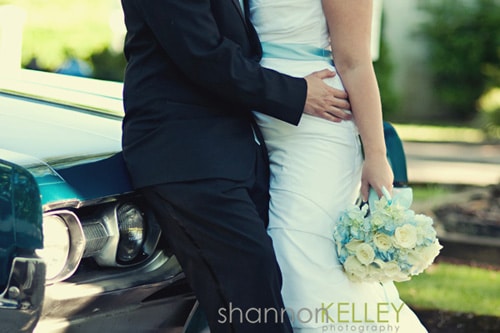
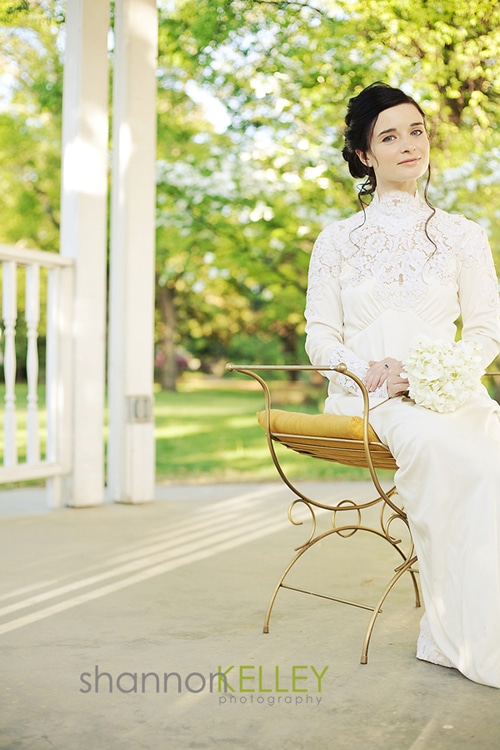
Sweet Embrace by Shannon Kelley

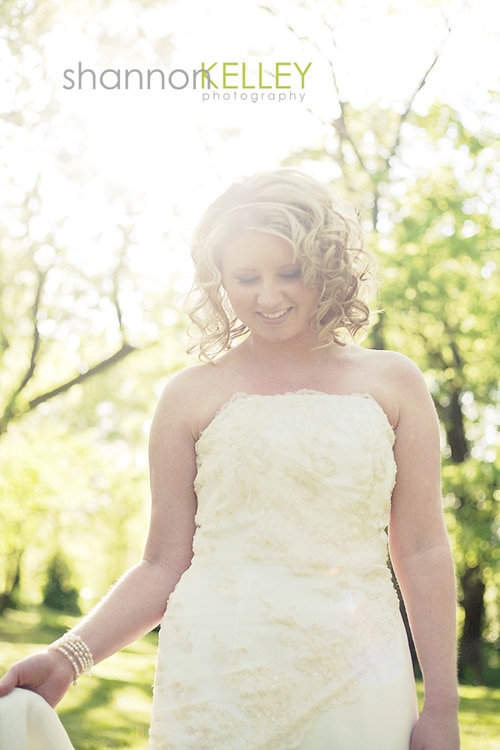
Bridal Portrait by Shannon Kelley

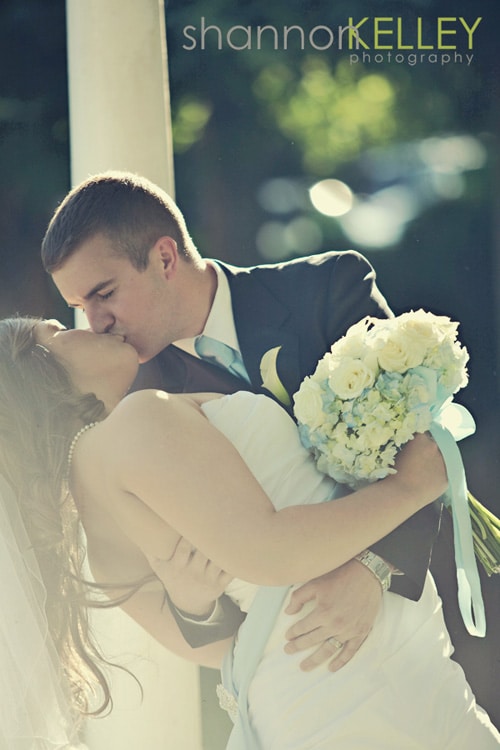
The Kiss by Shannon Kelley

Bridal Portait by Shannon Kelley

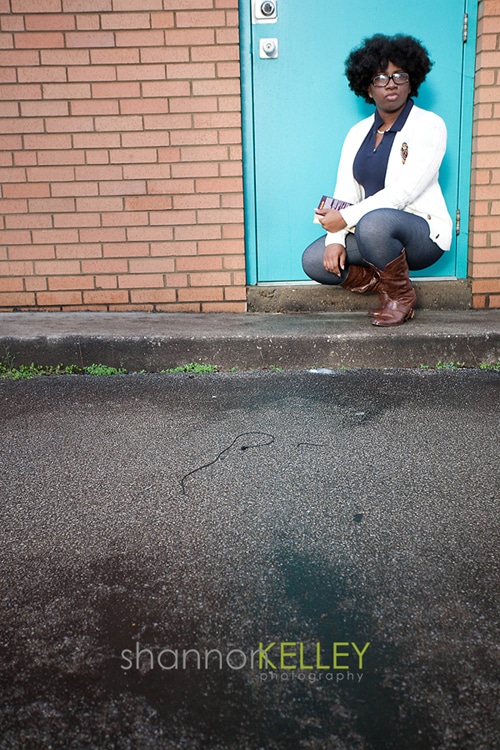
Shootout Portait by Shannon Kelley

So what do you think? Are you ready to start or be a part of a photography community? What benefits do you see in collaborating with other photographers? What kind of road-blocks are you experiencing? Do you think you can or want to overcome them? Speak your mind in the comments section below. We love to hear from you!

Filed Under: Business, Photography Tagged With: Community, How-to, Knoxville, Photography, Shannon Kelley, Tennessee

Lighting It Up In Boston, A JVS Speedliting Workshop

June 25, 2010 by Seshu | Editor & Publisher

I think it was Zack Arias who lit a fire in me to think about off-camera lighting for my wedding and portrait photography. Since taking his workshop in Boston a few years back, I have been to a number of other workshops. I'll be happy to post a short list of those in a future blog post.

The one lighting workshop that always eluded me, however, was Joseph Victor Stefanchik's 1 Day Speedlites Workshop in Dallas. For a few years JVS, as he is called, only had these workshops in Texas. Now he and his lovely wife Anne are now taking these workshops on the road.

The one in Boston will be on August 26th. It will be held at LensProToGo‘s amazing warehouse space in Concord, Massachusetts. Learn more about these workshops.

JVS and Anne publish a blog called Off Camera Flash. You may want to bookmark it as it is one of my go-to-blogs for inspiration. Check out the images posted there and at his wedding website.

The word – “excited” – is a bit of an understatement. I spoke with JVS about this workshop and he promises me that he will elevate my ability to craft images with light and depth. The cost of the workshop is $500. It's a long, intensive day where you can expect to start using one-light and then two-lights and by the end of the course, three-lights. Class size will be small – no more than 15 people. The bonus is a PDF that JVS and Anne custom-design from the workshop that you attended with images, lighting diagrams and a list of equipment used for each example. This dedication to their craft and to their students alone convinced me that these guys are the real deal.

If you are interested in this Boston workshop by JVS & Anne, use this link to register. Please enter “PICSESHU” in the “Enter Promo Code” box during step one of three on their shopping cart. The cart will automatically apply a $50 discount for the first 10 people to register.

Yes, we are all inundated with requests to attend photography workshops all the time. Which ones are going to hit the mark … for you?

No easy answer to that one. However, here are the steps I usually take when I am considering a photography or lighting workshop of any kind:

1) I outline my immediate needs to grow as a photographer
2) Research the forums to see what is being said about a workshop I want to attend
3) Ask my peers if they have attended the workshop you are considering
4) Get a sense of who the instructor(s) are and what their goals for the workshop will be
5) Look for a way of following up after the workshop

Full disclosure: If I get 10 people to register using the link above, my registration fee will be complimentary. So, yes there is vested interest in plugging this workshop, but people who know me even remotely will tell you that I promote products and/or services that are only of a very high standard.

I hope you will join me in Boston on August 26th. We have much to learn … together!

Filed Under: Lighting, Photography, Workshops Tagged With: Boston, JVS, LensProToGo, Lighting, Photography, Workshops

Escaping Cliches In Photography

June 22, 2010 by Guest

Divya Manina, AvatarThis is a guest post by Divya Manian, a standards-based web designer who now lives in Seattle. She publishes her own blog, Nimbupani.

What pictures come to mind when you think of India?

Wait, I do not need to ask you, all I need to do is to look at Flickr search results and it is obvious what India means to photographers. What about Africa?

India, is much more than vermilion, yellow, vibrant colors and dark women. It is now a land of high-rises, malls, and industrial pollution. Unfortunately, this is not a popular stereotype and rarely highlighted in photography. It perpetuates a myth of poverty and rustic living that is now not true for most of India. Similar is the case with African countries. The greatest catastrophe is the grouping of so many different countries into one ideal “country” called Africa. Africa's landmass can contain China, US, and more in terms of land area. There are people of several cultures within a single country in Africa and African towns and cities have a lot more technology than popular photographs indicate.

A photograph is a slice of time which exaggerates the importance of the captured moment, just like a painting. Photographs have been used to perpetuate myths as well as facts. They alter public opinion with force that is unseen in the written text. As in the movie Spiderman, Uncle Ben says, “With great power, comes great responsibility” and here I would like photographers to use this power wisely.

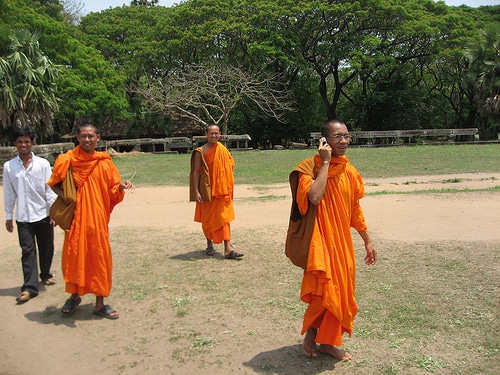
It is easier to shoot photographs that match a popular stereotype than to go against it. Many times, a popular stereotype reinforces the familiarity of a shot and makes a photograph appealing. Unfamiliarity with the subject being photographed can cause this too. Sometimes, it invokes a sense of nostalgia for a time that could have been or sometimes, a sense of relief for not being in that position, or there can be simply nothing else to do (e.g. Taj Mahal, or birthday parties). Still, stereotypes pander to an opinion that already exists and brings nothing new to life, and I consider that an opportunity lost. A popular cliche these days is a religious priest with a “hi-tech” gadget.

Buddhist Monks With Telephones

This is a call to all photographers to look beyond the stereotypes, or to use stereotypes wisely. For example, Mr. Oochappan takes great photographs of a part of Tamil Nadu that is rarely seen by the city dwellers. His photographs revels in the stereotypes so much that the pictures bring out unseen facets of Tamil culture. See this image in particular of a man dressed like the Hindu deity Shiva.

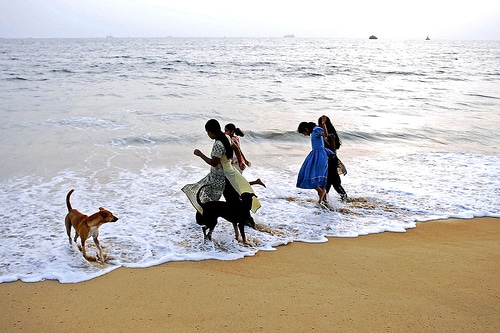
Akshay Mahajan usually take photographs that go beyond the stereotypical shots:

People On The Beach In India

Woman Selling Food In India

I don't mean to hold these two as extreme examples and not all of their photographs fit into the boundaries I have drawn around them. It may not be possible to escape the cliche, but as photographers we must try.

How do you know if you are subscribing to a cliché? Simple, if a shot looks “perfect”, ask yourself why you think so. Is it because it fits into a known stereotype of a “perfect” shot for that place/occasion/people? Or is it because that shot tells an unusual story? Whatever it is, before you take or share a photo you have taken with the world, spend some moments thinking about the story the photograph tells and let it not be “perfect”.

What do you think? Ink your thoughts below in the comments section.

Filed Under: Commentary, Photography Tagged With: Clichés, Exotic, India, Photography

  • « Previous Page
  • 1
  • …
  • 28
  • 29
  • 30
  • 31
  • 32
  • …
  • 34
  • Next Page »

Subscribe To Tiffibox Treats!

Looking for a well-curated email newsletter that will leave you inspired and motivated about your photography business? Sign up below!

About Seshu

Seshu creates relaxed portraits of families and high school seniors in Avon, Connecticut. He also leads a successful headshot photography studio in Connecticut, helping professionals from a variety of disciplines project the very best versions of themselves. He created Tiffinbox as a way of inspiring photographers, to create better images and successful businesses. [Read More]

Email Templates For Headshot Photographers

Email Templates for Headshot Photographers

Recent Posts

  • How Capture One Changed My Event Photography
  • 10 Steps To Stay Positive In Times Of Great Stress
  • Why You Need To Read “Personal Branding For Photographers” Now
  • How To Master Your Website Content Step By Step?
  • Tony Taafe’s TNT Method For Headshot Photographers

Recent Comments

  • Stephen Davison on Are You A Business Owner Who Is Smart, But Stuck?
  • Ben A. on Don Giannatti Clinches The 8th Annual Tiffinbox Award
  • Dan on Don Giannatti Clinches The 8th Annual Tiffinbox Award
  • Donald Giannatti on Don Giannatti Clinches The 8th Annual Tiffinbox Award
  • Stephen Davison on G.E. Masana’s 6 Strategies For Wedding Photography Success
  • Naveen Kumar on Weddings In India Are More Than Being At The Right Place And At The Right Time
  • kartick on Weddings In India Are More Than Being At The Right Place And At The Right Time
  • Leonid Farbman on 6 Uncommon Trends To Grow Your Photography Business
  • Willow and Finch Wedding Photography on 11 Reception Tips To Help Your Wedding Photography
  • Web Designer Malaysia on How To Optimize Your Squarespace Website For Search Engines
  • Creastan on An Interview With Photojournalist G.M.B. Akash
  • Cindy Brown | Atlanta on An Open Letter To A Local Photographer

Become a Patron!

Copyright © 2026 · Tiffinbox · Site Design by Heather Mackan Creative · Built on Genesis