• Photography
  • Interviews
  • Business
  • Reviews

Tiffinbox

Inspiring Photographers

  • Home
  • About
  • Blog
  • Contact

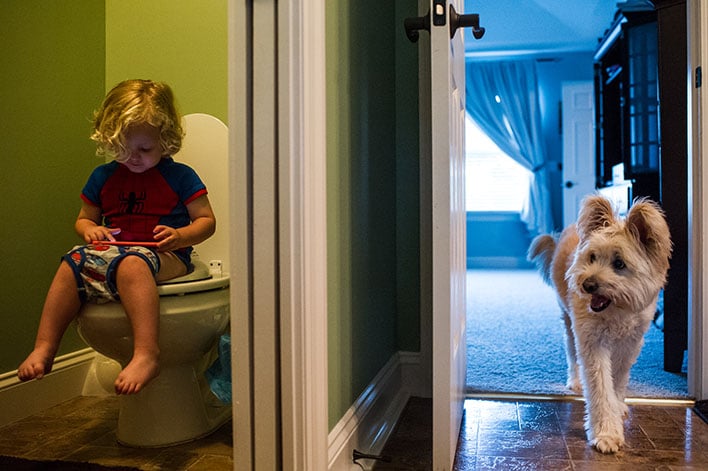
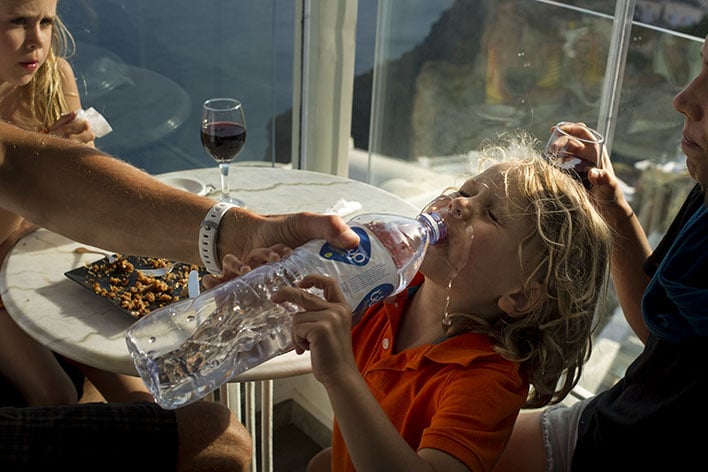
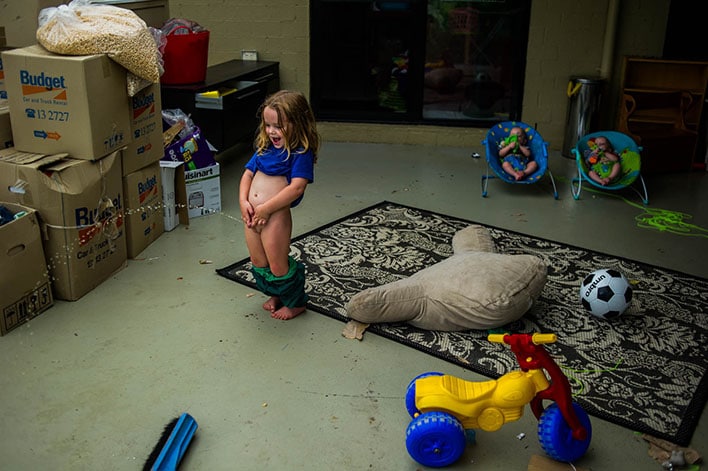
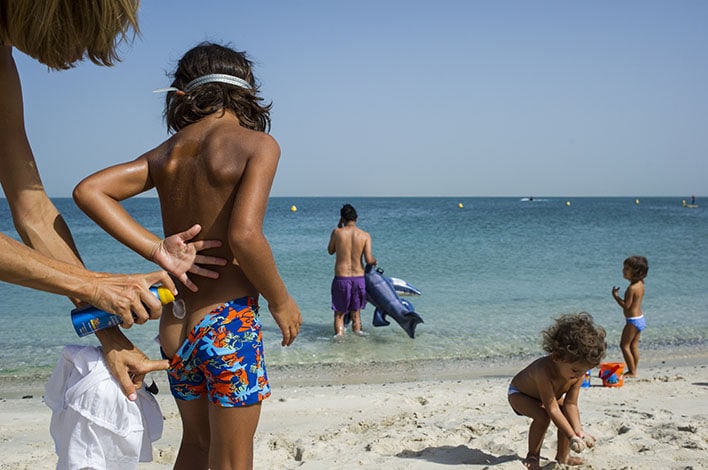
Kirsten Lewis Documents Families As A Photojournalist

January 29, 2016 by Seshu | Editor & Publisher

Family Photojournalist, Teacher, Mentor

Where Kirsten Lewis is based really doesn't matter.

You see, both her passion and her vision to document families takes her around the world from her home base in Denver, Colorado. She is a highly sough-after teacher as well. Did you catch her on CreativeLive?

Her first course, Family Photography: Modern Storytelling, drew such a huge following that she is scheduled to come back and teach again this February. This time her topic is – Family Photography: Photojournalism in the Home.

But before she heads back to teach at CreativeLive, in Seattle, Kirsten Lewis will be at Inspire Photo Retreats, taking place February 8-10th. Her presentation at Inspire is called “The Being Of You.”

The Interview

If you are asking yourself what that means, you will want to listen in to our short conversation below:

We talk about:

– How Kirsten moved from wedding photography to documenting families
– The unpredictable nature of photographing families
– What the best photojournalists can teach you
– Encouraging all photographers to be vulnerable enough to strengthen your work
– The Artist vs. Business person
– Being a documentary family photojournalist
– How Kirsten becomes a part of the family she is photography for the day
– The one important you can grow your own documentary family photography business
– Who are you photographing for?
– Why are still photos so important?
– How to offer all-day, or 1, 2 or 4 hour sessions
– Why trying to convince parents to hire you for their documentary family session is the wrong move to make … instead what will persuade parents to sign up

In our current industry, saturated with thousands and thousands of photographers all making work that look like they come from a single shooter, it's imperative to stand out in your market. The easiest way to do so is to simply make pictures that are an extension of you, your experiences and how you see the world.

Kirsten Lewis' Documentary Family Photography Portfolio
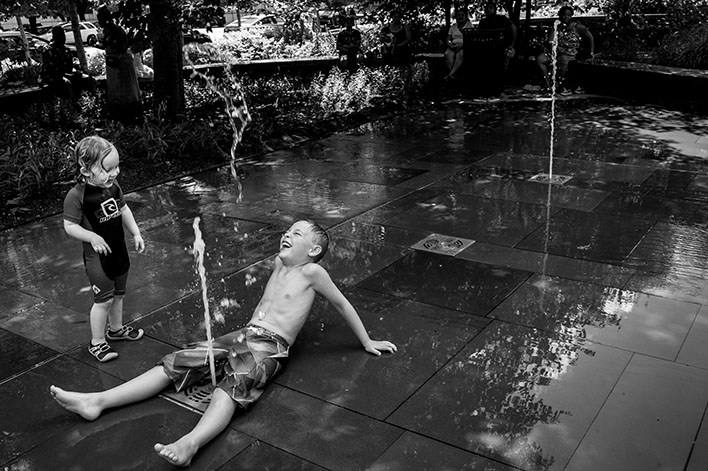
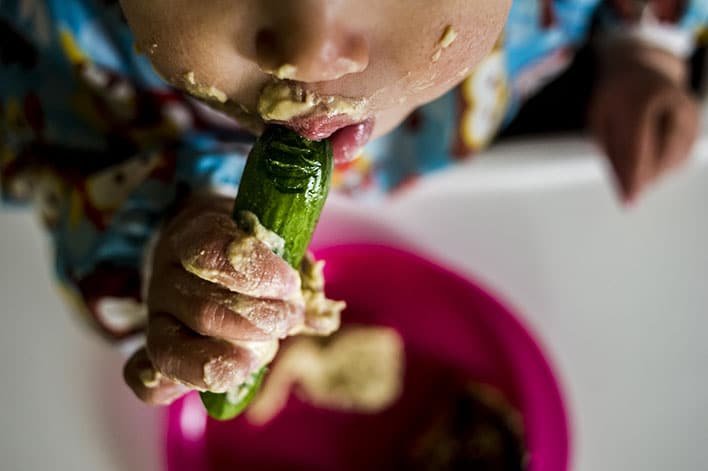
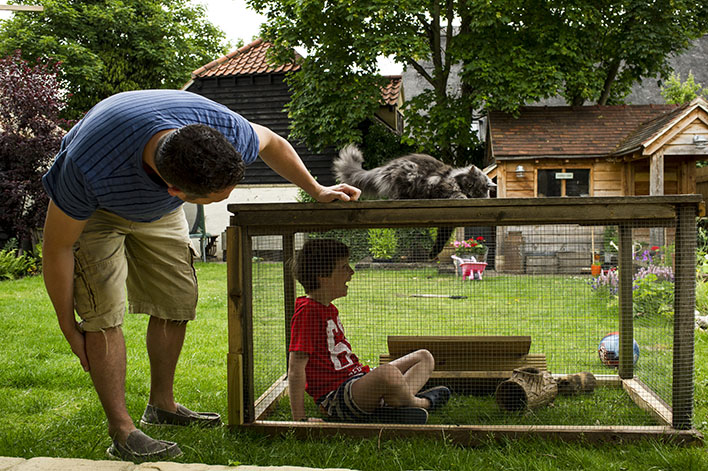
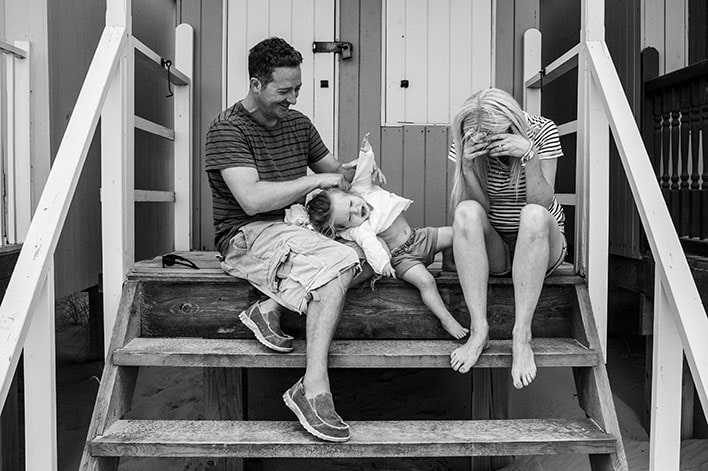
Documentary Family Photography by Kirsten Lewis

Documentary Family Photography by Kirsten Lewis

Documentary Family Photography by Kirsten Lewis

Documentary Family Photography by Kirsten Lewis

Documentary Family Photography by Kirsten Lewis

Documentary Family Photography by Kirsten Lewis

Documentary Family Photography by Kirsten Lewis

Documentary Family Photography by Kirsten Lewis

Documentary Family Photography by Kirsten Lewis

Documentary Family Photography by Kirsten Lewis

Documentary Family Photography by Kirsten Lewis

Documentary Family Photography by Kirsten Lewis

Documentary Family Photography by Kirsten Lewis

Documentary Family Photography by Kirsten Lewis

Though Inspire Photo Retreats is just a few weeks away, you can still register for it. I am going to be there and Kirsten Lewis's presentation is on the top of my list. As a family photographer in Avon, Connecticut, I owe a great deal to her as my mentor and teacher.

Inspire Photo Retreats - Rhode Island

Bonuses

We mentioned Huy Nguyen who founded The Foundation Workshops and Fearless Conference.

Kirsten also talks about the amazing portrait photographer Luis Gervan. Check his work out!
Filed Under: Conferences, Home Middle Right, Photography Tagged With: documentaries, Family Photographer, family photography, Kirsten Lewis, Photography Business, Photojournalism

How To Stay Healthy On The Road

June 6, 2011 by Matt Brandon

This guest post is by Matt Brandon, a travel photographer now based in Malaysia. He works with NGO's “to tell their stories and to train their field staff to do the same.” Please follow Matt on Twitter. He is a terrific resource, as you will see from his blog post here.

One of the most frustrating things that can happen to you when you travel is getting to a new and amazing place only to get sick. Then having to spend the next several days recovering. It happens way too often and used to happen to me … a lot. In fact, travelers' diarrhea (TD) is the most common illness affecting travelers. Each year between 20-50% of international travelers, an estimated 10 million persons, develop diarrhea. (from Centers for Disease Control and Prevention) I used to suffer from TD a lot till I got a few simple little tricks under my belt. Please, don't misunderstand what I am saying, I still get sick, just not as often with travelers' diarrhea . Quite frankly, most of the time it is just a cold or the flu because I have pushed my self too hard for too long. Thankfully for me the infamous “Delhi belly”, “Montezuma's revenge”, “Aztec two step”, “Thai-dal wave” or the “Katmandu quickstep” is much a thing of the past. Why? Because I take some simple precautions.

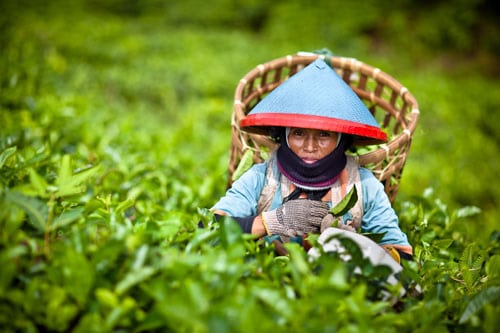
Matt Brandon Photography - Harvesting Tea Leaves

Matt Brandon Photography - Boats On A River

First let's define some terms. There is travelers' diarrhea or TD and traveler's stomach. I differentiate the two because often when you travel you eat new and strange food and it takes a few days for your system to get use to it. Don't panic, often these new spices are hard on your gut and on top of that, your internal clock is messed up so you just need time to adjust. It is a recipe for upset stomach. After a few days things will settle down and life will be good again. But, full-on TD, aka Delhi Belly, is a sanitation issue and can be quite dangerous. It is often bacteria from bad water, poorly handled food or quite frankly from your own hands and it is bad news. Not to gross you out, but this bacteria lives in feces – as in poo – you know, sh*t. So how does this … stuff get into your mouth? The reality is in many of the countries I visit people often use their left hand to clean themselves after they defecate. Thus, the whole idea of the left hand being unclean and eating with your right hand. But unfortunately cooks don't use only their right hand to prepare food. Plus many of the countries I visit have water systems that have long ago failed. To get clean water you would have to drink it right from the filtration plant. You see, most of the city's pipes are rusted and cracked allowing every sort of germ and bacteria to enter the city's water system. So, what do I do to prevent these little germs from entering my system?

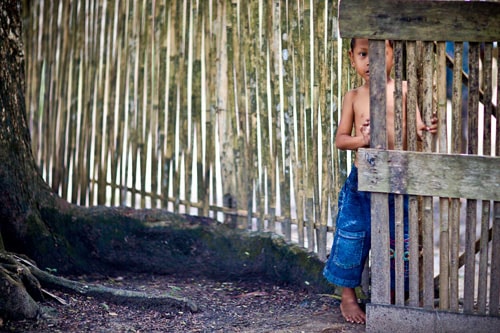
Matt Brandon Photography - Boy Peeping Through Fence

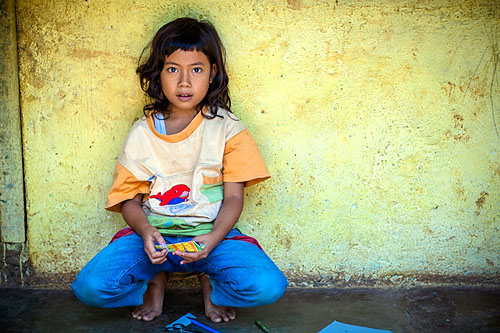
Sumatra Girl | Matt Brandon

Pretty simple really. The best way to insure this is: if in doubt, don't. If you think the water in your hotel is not properly treated or that the country as a whole has dicey water purification, then drink bottled water. For the most part bottled water is fine. If it is legitimate. I am sure you saw “Slum Dog Millionaire” where they casually fill old bottles with tap water, reglue the tops and serve them to unsuspecting guest. This isn't very common, but it is good to inspect and open them yourself.

I know many people who will also brush their teeth with bottled water. It is a good practice to get into. I generally don't, but then my gut, after living in India for 13 years is a little stronger than most. What if you don't have bottled water available? If you don't have it, then you can boil it. This last trip to China, I went off to bed and didn't have any bottled water and I needed to take some medicine. The hotel had a tea kettle in the room so I simply boiled some water and then let it cool and I was good to go. Boiling water is great, but remember, if you are at higher altitude water boils at a lower temperature. To kill those bugs the water temp needs to be at or above 170º F or 76º C or so I have been told.

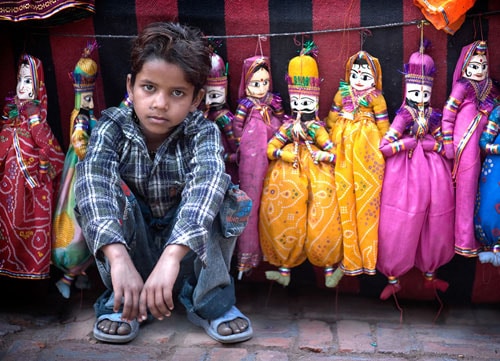
Matt Brandon Photography - Boy Selling Puppets

Another little thing that some folks forget, is avoiding ice. Freezing water does not kill anything and once you put frozen bad water into your clean water, you get a nice cup of cold bad water.

I generally don't worry about tea and most of the time coffee. Most tea needs to be boiled to be steeped and so you are safe. If the coffee is Nescafe, like most coffee in Asia (who knows why?!) make sure the water is boiled. It only takes warm to hot water to make Nescafe and warm water won't kill all the bugs. Here is a general rule of thumb, if it can't burn your tongue it wont kill the bugs.

Here is another little tip. Stay away from uncooked food like raw fruits and vegetables unless you can peel them. In many South Asian countries you are served raw onions or radishes in a small plate before the meal – sort of a salad. Think of them as a plate of poison! Don't eat them. There are many reasons why they could be contaminated. First is they just might not be washed and you could be eating something that was handled by everyone in the market where it was purchased. Yuck! As your mother once said, “You don't know were those hands have been!” Another reason is the cook's hands may not be clean. One more reason is that if those veggies were washed, the water used was probably right form the tap and may still be present on the food. Not good. OK, now that I have grossed you out, lets move on.

Stay away from shellfish and most uncooked sea foods. Sea food is a risk anytime. It can harbor all kinds of nasties, but when you are traveling to countries you might describe as “developing”, make it a habit to just say no! It is not worth hours and hours of hugging the toilet or wearing down the carpet between your bed and the bathroom in your hotel room.

One last way you can prevent these guys from kicking your butt is treating them prophylactic. Now, I don't do this, but I have known a few doctors who I have traveled with that will take 2 tablets of Pepto Bismol 4 times daily or 2 fluid ounces 4 times daily as a prophylactic for travelers' diarrhea. They swear by this and I never saw them sick on the trip. At least not with E. Coli or giardia.

So prevention is great, but what happens if you get E. Coli or giardia in your tummy? First understand that E. Coli is bacteria and giardia is a little bug and they do different things to you and must be treated differently. Not all baddies are created equal.

Let me say here, I am not a doctor and I am not prescribing a treatment. I am telling you what I do and that is it. There is a good chance you have a bacteria like E. Coli when you have a sudden onset of nausea, vomiting, diarrhea, abdominal cramping, bloating and fever. If I can, I will go to a medical lab and give them a stool specimen. But often I am not in an area where I can do that so I must self diagnose and self medicate. Commonly prescribed treatment is 500 mg of ciprofloxacin twice a day or 400 mg of norfloxacin twice a day for 3-5 days. I have had doctors tell me if the symptoms leave after a day then you can stop. It is not like taking a full course of antibiotics. If you can manage to ride it out and have time to stay in bed for a day or two… or three it might resolve its self. Most cases are benign and resolve in 1-2 days without treatment. TD is rarely life-threatening. The natural history of TD is that 90% of cases resolve within 1 week, and 98% resolve within 1 month. (source, Centers for Disease Control and Prevention) But I never have that kind of time or the willingness to hang out at my toilet bowl for a month. So I nuke these guys.

Giardia's symptoms are not as violent as E. Coli. Usually giardia will show up over a longer time and come on gradually as diarrhea, nasty rotten egg smelling gas or flatulence, greasy stool that can float, stomach cramps, upset stomach or nausea especially after a meal. Again, if you can, it's best to go to a clinic and get tested. Often you will have to give several stool samples for giardia as it shows up intermittent. Treatment for this little bug (and it is a real bug by the way) is with metronidazole or tinidazole.

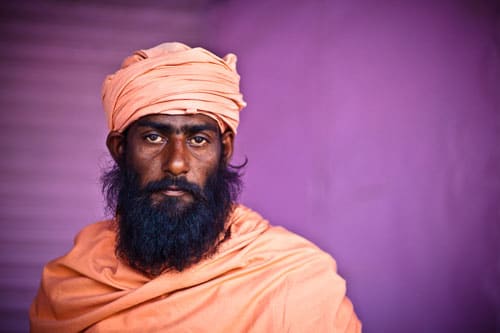
Matt Brandon Photography - Holy Man

Often diagnosis is hard to tell without lab test and if your up in the mountains that just might not be possible. In India and other countries where these bugs are prevalent you can find a cocktail of one of the “zole” drugs and an antibiotic i.e. tinidazole and norfloxacin. This combination will just about kill everything. When I say everything, I mean it and that is not always good. Your gut needs bacteria in it. So you can travel with pro-biotics or you can eat the local yogurt. I know many folks don't like yogurt, but the local stuff is really good for you. Because it has all the local bacteria and can actually strengthen your tummy.

So, there you go. That is how I keep my gut healthy when I am on the road in some really dicey places. In closing, remember, I am not a doctor and you should never use this blog post as a way to diagnose your illness, The best thing you can do is get to a good clinic or hospital if you think you have these symptoms and get checked out and listen to your doctor.

Filed Under: Photography, Travel Tagged With: biology, boiling water, bottled water, centers for disease control and prevention, diarrhea, drinking water, escherichia coli, family photography, gastroenterology, healthy, how to stay healthy, infectious diseases, matt, matt brandon, medicine, microbiology, on the road, stay healthy, symptoms, travel photographer, traveler's diarrhea, upset stomach, water borne diseases, water purification, watering system

How To Grow Your Photography Income?

April 22, 2011 by Rosh Sillars

Today's guest blog post is by Rosh Sillars, a veteran photographer with a photojournalism background specializing in people, food and interiors. He earned his BFA in photography at the College of Creative Studies (CCS), Detroit. Rosh offers his services to traditional media, new media and corporate clients. He owns the creative representation firm The Rosh Group, Inc. and teaches photography at two universities and serves as a marketing and social media consultant for Synectics media. Rosh is also the coauthor of the book Linked Photographers guide to marketing and social media.Please visit his new project The Driven Business.

Is it really possible to increase dramatically your photography income?

Yes.

Photography has changed over the last 10 years. Digital cameras have made everyone a photographer; many of the basic point-and-shoot jobs have been lost. But, that doesn’t mean the opportunities are gone.

The truth is, there are more opportunities than ever. The secret is to make your competition irrelevant.

How?

Great photography and your creative ideas are the answer. Photography can be combined with writing, video, Photoshop, and other digital technologies to help you create unique offerings.

You must find your niche.

If you don’t have a good website, you are not in business. Make sure it is easy to use and well-optimized (If you don't know what that means, find out.) to attract the people who are searching for what you do. Don’t take search engine optimization lightly. Make sure you have a blog that is updated weekly with great images and text.

Get out of your home, office, or studio. Business is about people and developing relationships. Go to at least one networking event a week. Make sure you have business cards, portfolio cards, and your freshest images ready to share on your smart phone or tablet. Always have a portfolio available. You never know when opportunity will come knocking.

Follow up using the social web. Keep your new connections alive through social media. Develop new relationships using Facebook, LinkedIn and Twitter. Don’t sell to your followers, educate them. Teach them how to find leads for your business and you return the favor with opportunities and valuable introductions.

Create partnerships with companies that focus on the same target market. Develop packages and market your products in cooperation.

Don’t just sell your product. Sell the experience of working with you. You can’t hide behind your products. Photographers today need to understand that if they are going to be successful they are part of the product. Customers, in many cases, are buying the photographer more than the photography.

Make it easy for someone to do business with you. It is important to protect your copyrights. If copyrights were not important, people wouldn’t be working so hard to take them from you. Keeping your copyrights will increase your income by providing more opportunities to resell your images at the appropriate time. But, the issue of copyright, business practices, and contracts doesn’t have to be an us versus them battle. Keep it simple.

Unless you photograph events, you should be using the per-image-pricing model. Your rates should be based on the value of each image, not your time. It is much easier for customers to justify a few hundred dollars per commercial image than $1,500 a day for the photographer's time. This model can easily be adjusted and applied to portraits and family photography. Each image has value; never give away a valuable CD full of images.

Don't forget to follow up.

Communicate regularly with past clients. They are the best referral sources you have, so make sure you collect e-mails and addresses. Don’t let them forget what a great experience they had working with you. Keep them up-to-date with you newest images. Give them the tools and the opportunity to refer you.

The best marketing campaign you can participate in is to regularly send hand-written thank-you notes. People like to be appreciated. Your appreciation is often rewarded with additional income.

What strategies will you employ to grow your photography income? What are you trying now? Willing to share so that can learn from each other? Post your thoughts below!

Filed Under: Business, Photography Tagged With: business cards, digital cameras, family photography, grow, how to grow, income, News, photographer, Photography, rosh sillars, search engine optimization, stock photography, teaching photography, visual arts, Wedding Photography

Subscribe To Tiffibox Treats!

Looking for a well-curated email newsletter that will leave you inspired and motivated about your photography business? Sign up below!

About Seshu

Seshu creates relaxed portraits of families and high school seniors in Avon, Connecticut. He also leads a successful headshot photography studio in Connecticut, helping professionals from a variety of disciplines project the very best versions of themselves. He created Tiffinbox as a way of inspiring photographers, to create better images and successful businesses. [Read More]

Email Templates For Headshot Photographers

Email Templates for Headshot Photographers

Recent Posts

  • How Capture One Changed My Event Photography
  • 10 Steps To Stay Positive In Times Of Great Stress
  • Why You Need To Read “Personal Branding For Photographers” Now
  • How To Master Your Website Content Step By Step?
  • Tony Taafe’s TNT Method For Headshot Photographers

Recent Comments

  • Stephen Davison on Are You A Business Owner Who Is Smart, But Stuck?
  • Ben A. on Don Giannatti Clinches The 8th Annual Tiffinbox Award
  • Dan on Don Giannatti Clinches The 8th Annual Tiffinbox Award
  • Donald Giannatti on Don Giannatti Clinches The 8th Annual Tiffinbox Award
  • Stephen Davison on G.E. Masana’s 6 Strategies For Wedding Photography Success
  • Naveen Kumar on Weddings In India Are More Than Being At The Right Place And At The Right Time
  • kartick on Weddings In India Are More Than Being At The Right Place And At The Right Time
  • Leonid Farbman on 6 Uncommon Trends To Grow Your Photography Business
  • Willow and Finch Wedding Photography on 11 Reception Tips To Help Your Wedding Photography
  • Web Designer Malaysia on How To Optimize Your Squarespace Website For Search Engines
  • Creastan on An Interview With Photojournalist G.M.B. Akash
  • Cindy Brown | Atlanta on An Open Letter To A Local Photographer

Become a Patron!

Copyright © 2026 · Tiffinbox · Site Design by Heather Mackan Creative · Built on Genesis